Gardening in Canada
Most of Canada has cold winters and a short frost-free season, often only 100–150 days. Success comes from starting seeds indoors, choosing short-season varieties and making the most of long summer days.
Local growing conditions
Choose the region closest to you. The sowing list below updates to match.
Temperate (oceanic) climate: Four seasons with moderate temperatures and frost in winter. Frost dates set the start and end of the outdoor season.
- Wait until after your last frost for tender crops.
- Start tomatoes and peppers indoors.
- Use fleece or cloches to extend the season.
Hardiness zones: Natural Resources Canada publishes plant hardiness zones (0a–9a). They are calculated differently from USDA zones.
Growing seasons in Canada
Indoor seed starting
Mar–Apr
Outdoor planting
mid-May–Jun
Harvest & frost
Aug–Sep
What to sow in Jan: Coastal British Columbia
Season: Winter. These are estimated sowing windows from our climate tables. They are not live weather, so adjust for your local frost and rainfall.
No main sowing for this region in Jan. Use this month to prepare beds, add compost or harvest.
Fruit, herb and ornamental candidates
Filtered to your selected regional climate pattern. These are not verified city recommendations. Check frost, winter chilling, soil, cultivar and local invasive-species rules before planting.
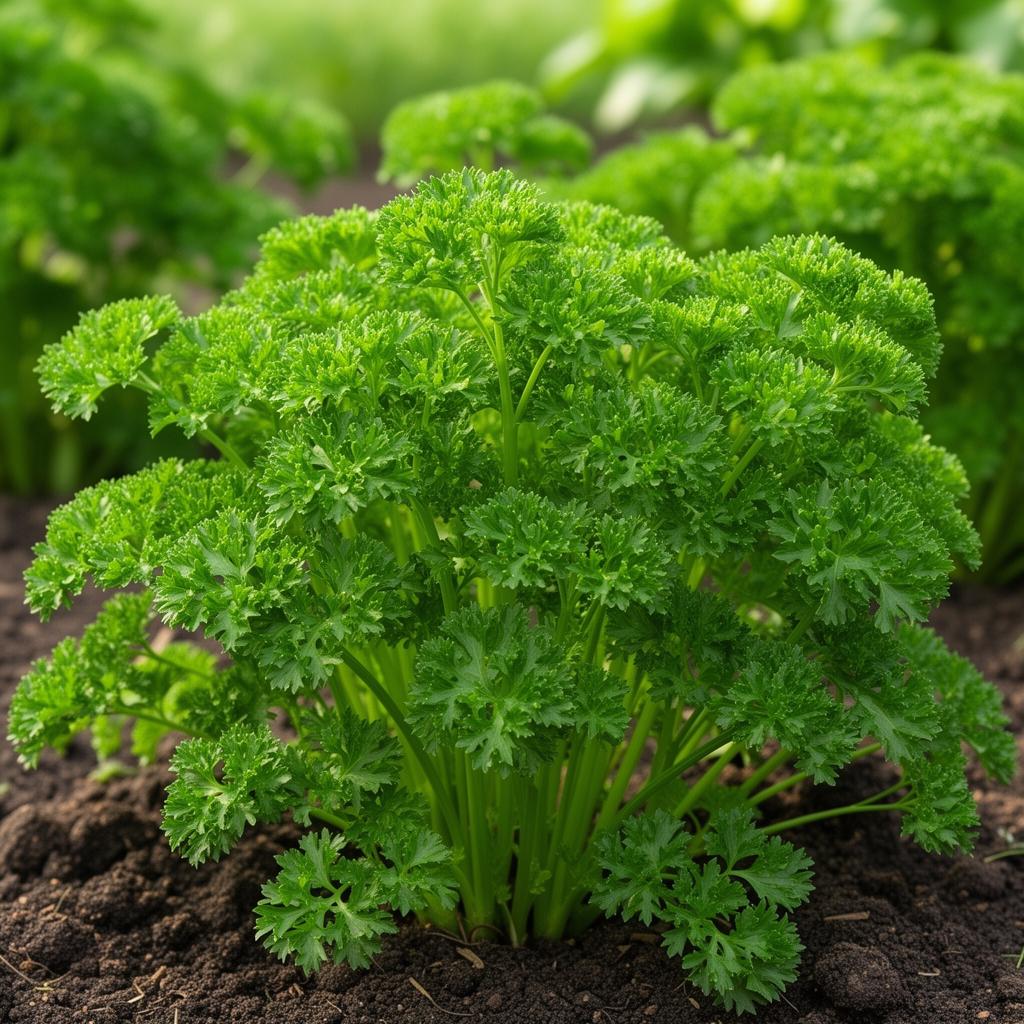 ParsleyPerennial and biennial herbs
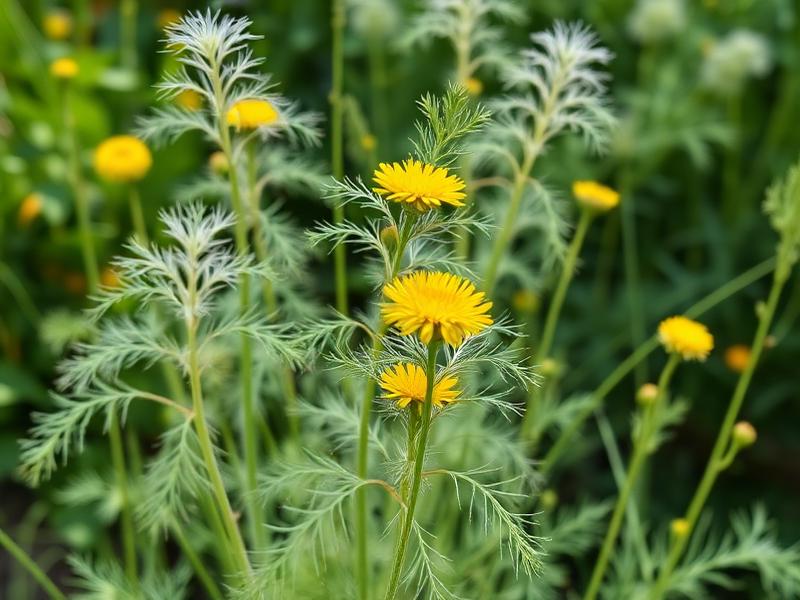 DillAnnual herbs
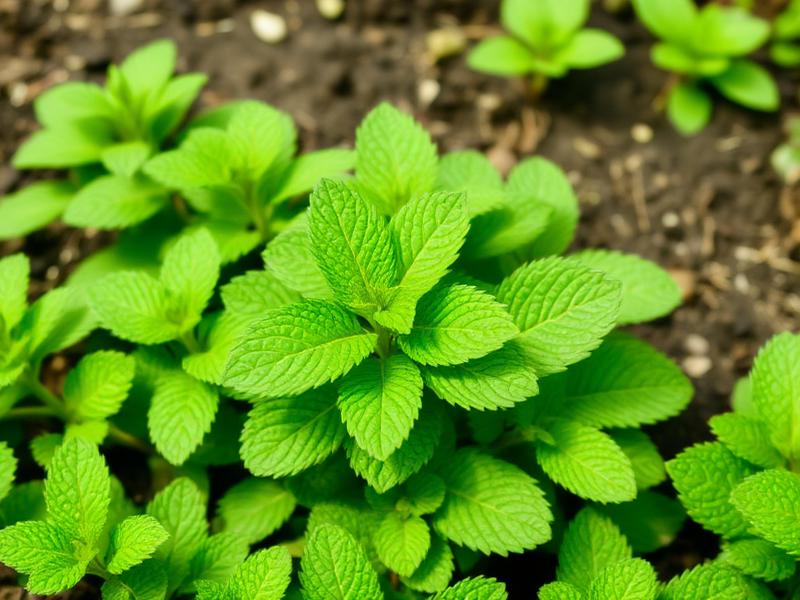 MintPerennial and biennial herbs
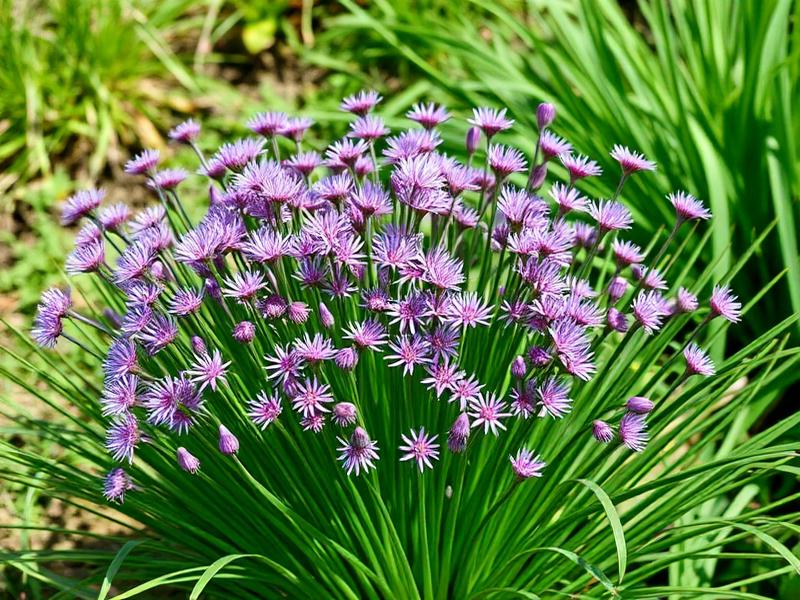 ChivesPerennial and biennial herbs
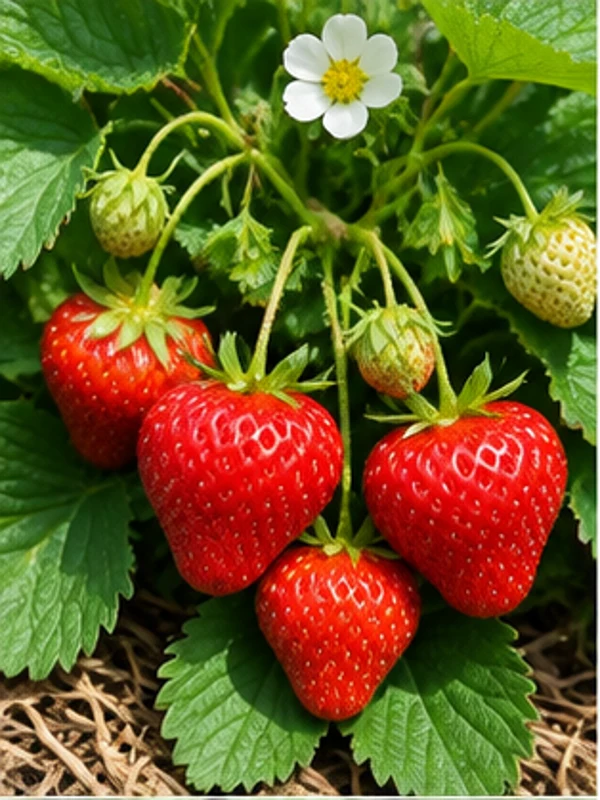 StrawberryBerries
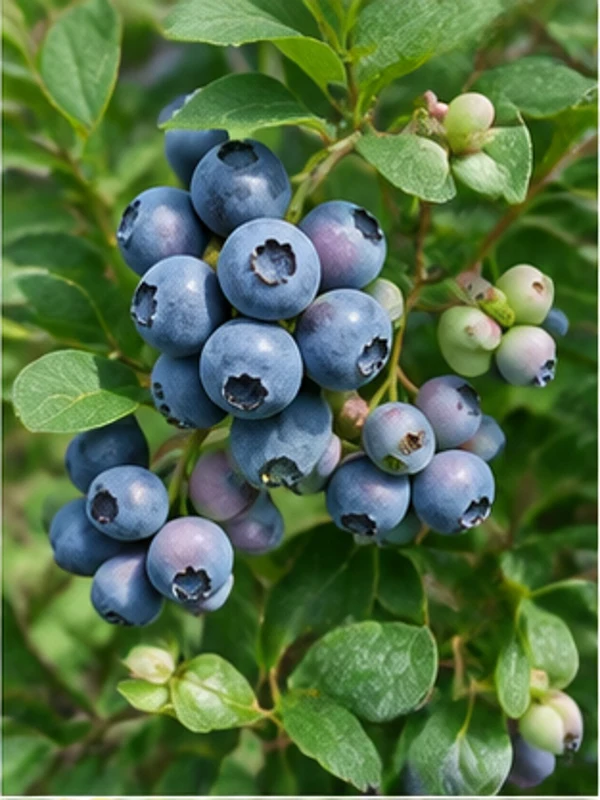 BlueberryBerries
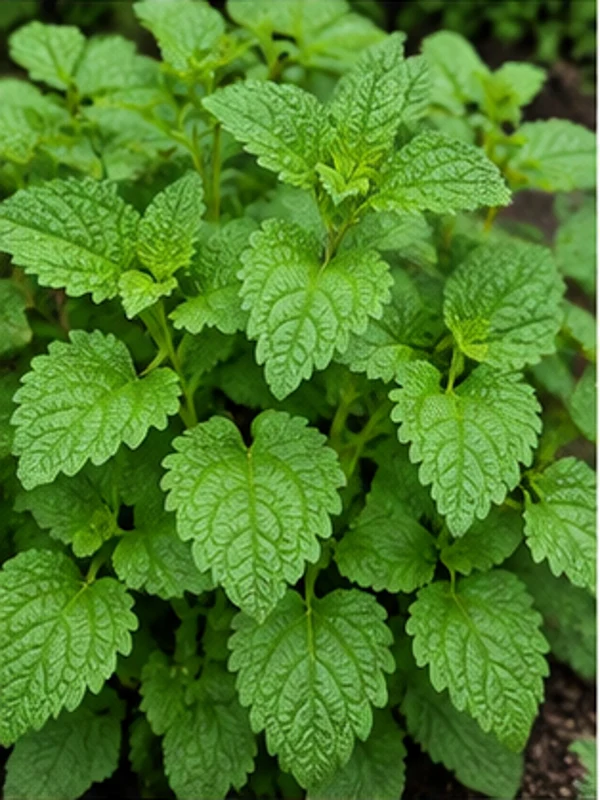 Lemon balmPerennial and biennial herbs
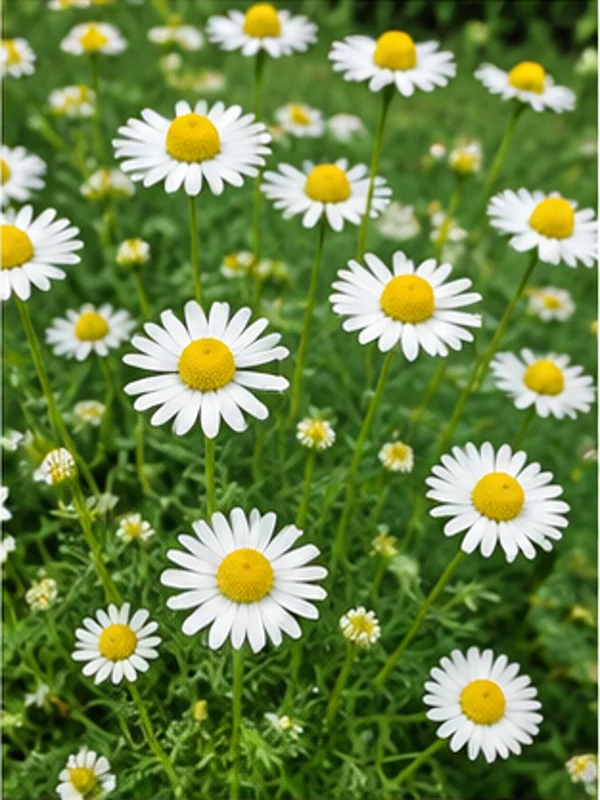 German chamomileAnnual herbs
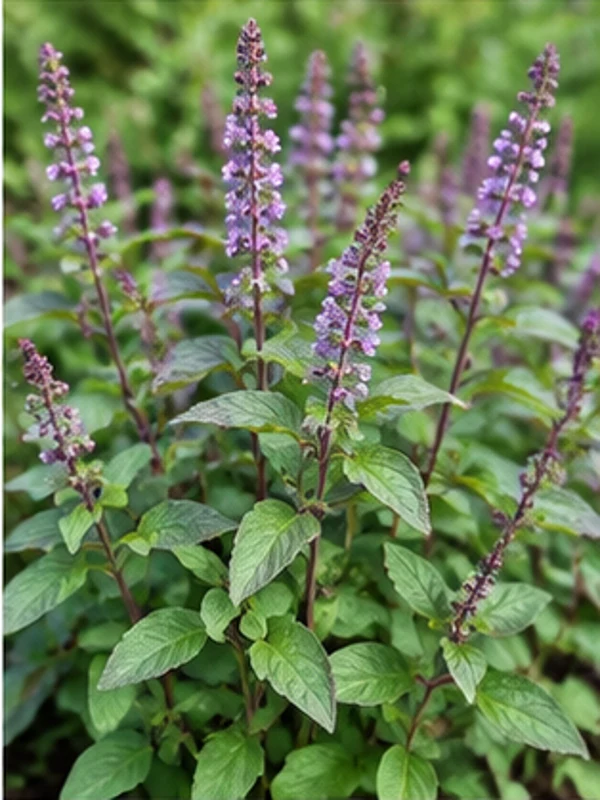 Holy basil (Tulsi)Annual herbs
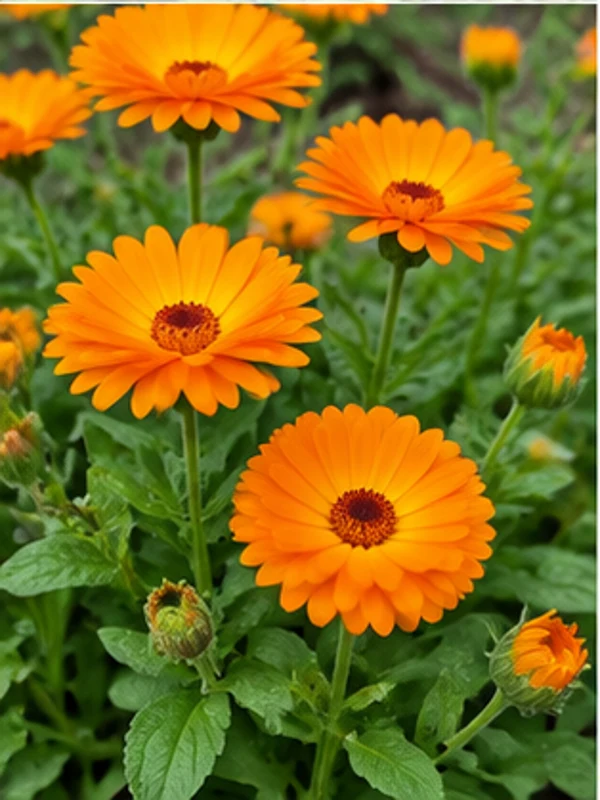 CalendulaAnnual flowers
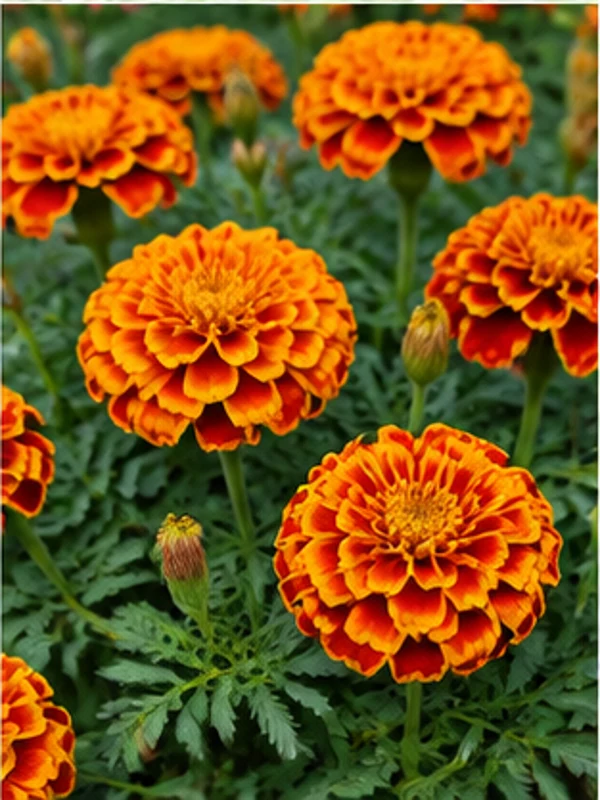 French marigoldAnnual flowers
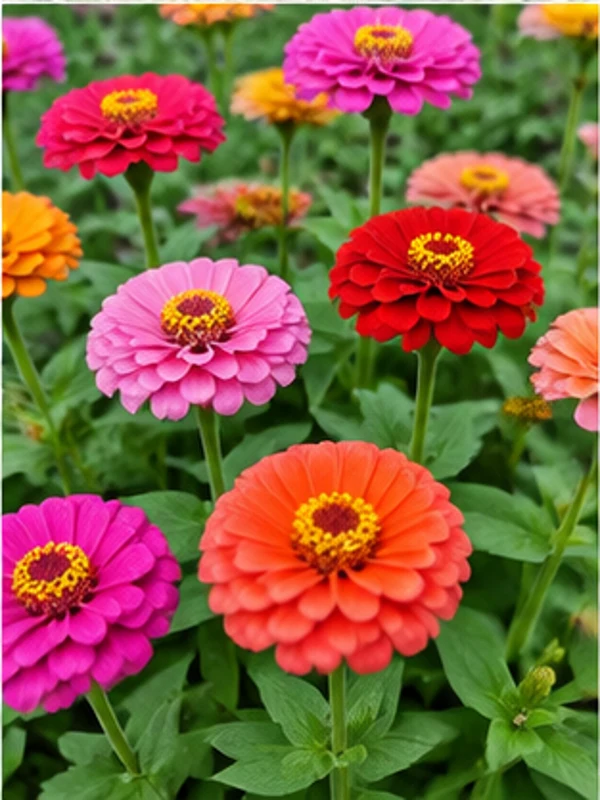 ZinniaAnnual flowers
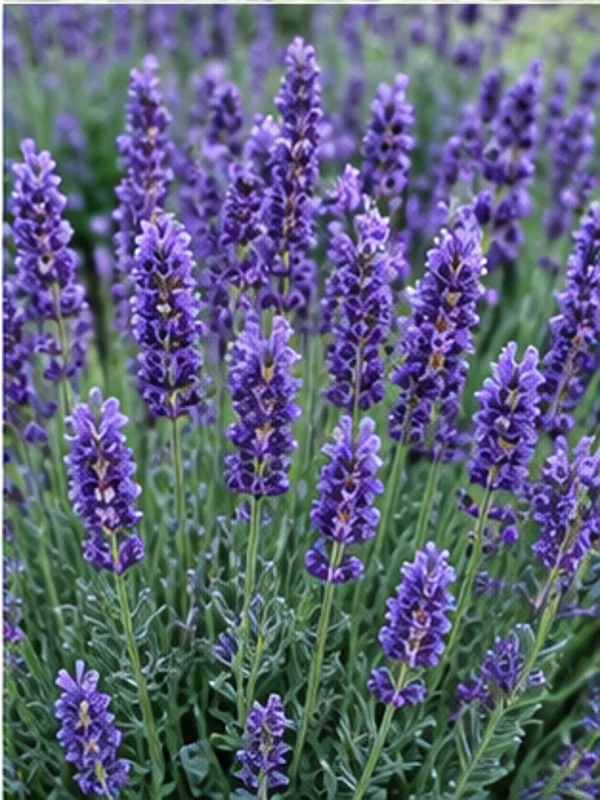 English lavenderPerennial flowers
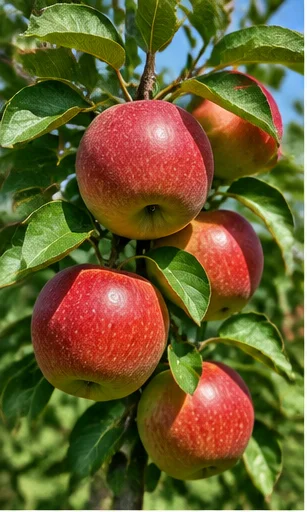 ApplePome fruit
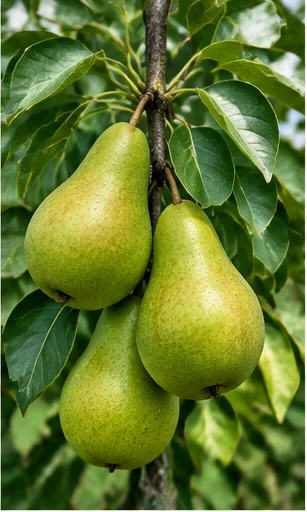 European pearPome fruit
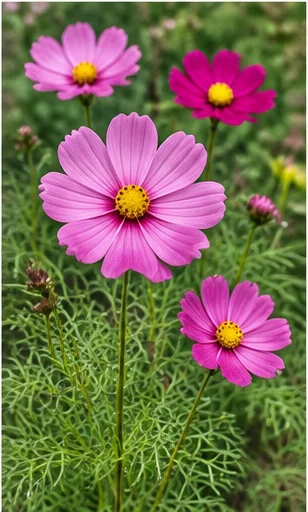 CosmosAnnual cut flower
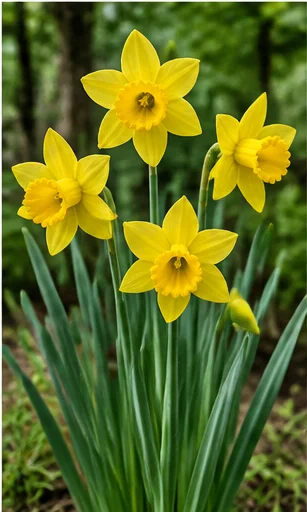 Wild daffodilFlowering bulb
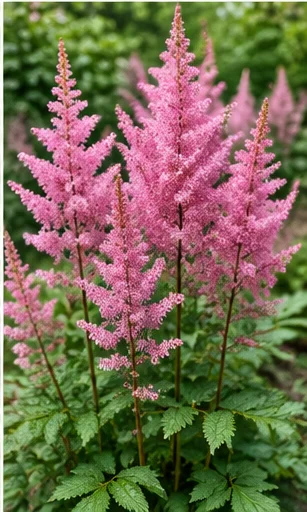 Japanese astilbeShade-loving perennial
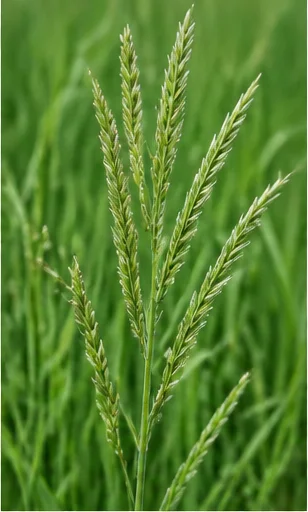 Perennial ryegrassCool-season lawn grass
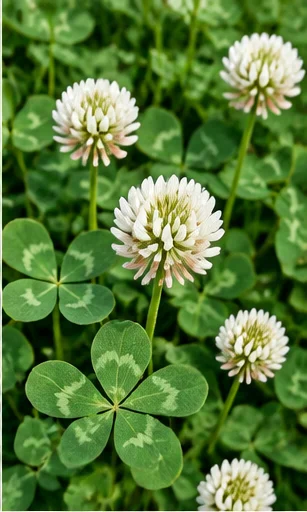 White cloverGround-cover lawn alternative
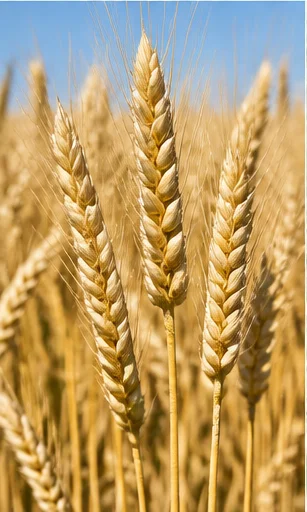 Bread wheatAnnual cereal
Vegetables and herbs that suit Canada
| Plant | J | F | M | A | M | J | J | A | S | O | N | D |
|---|---|---|---|---|---|---|---|---|---|---|---|---|
| Peas | ||||||||||||
| Lettuce | ||||||||||||
| Spinach | ||||||||||||
| Radish | ||||||||||||
| Carrot | ||||||||||||
| Beet | ||||||||||||
| Potato | ||||||||||||
| Kale | ||||||||||||
| Cabbage | ||||||||||||
| Green Bean | ||||||||||||
| Zucchini / Squash | ||||||||||||
| Garlic | ||||||||||||
| Rhubarb | ||||||||||||
| Chives | ||||||||||||
| Parsley | ||||||||||||
| Dill | ||||||||||||
| Mint |
Shaded months are estimated sowing windows for Coastal British Columbia.
Soil and compost
Watering and irrigation
Pests and diseases
Local tips
- Choose varieties with short 'days to maturity'.
- Use row covers and cold frames to add weeks to the season.
- Plant garlic in October for a July harvest.