Your plant library.
Sun, water, spacing, companions, and tips written for real beginners.
Collection
Subcategory
Plant type
Climate
Light
Water
Cultivation
123 plants
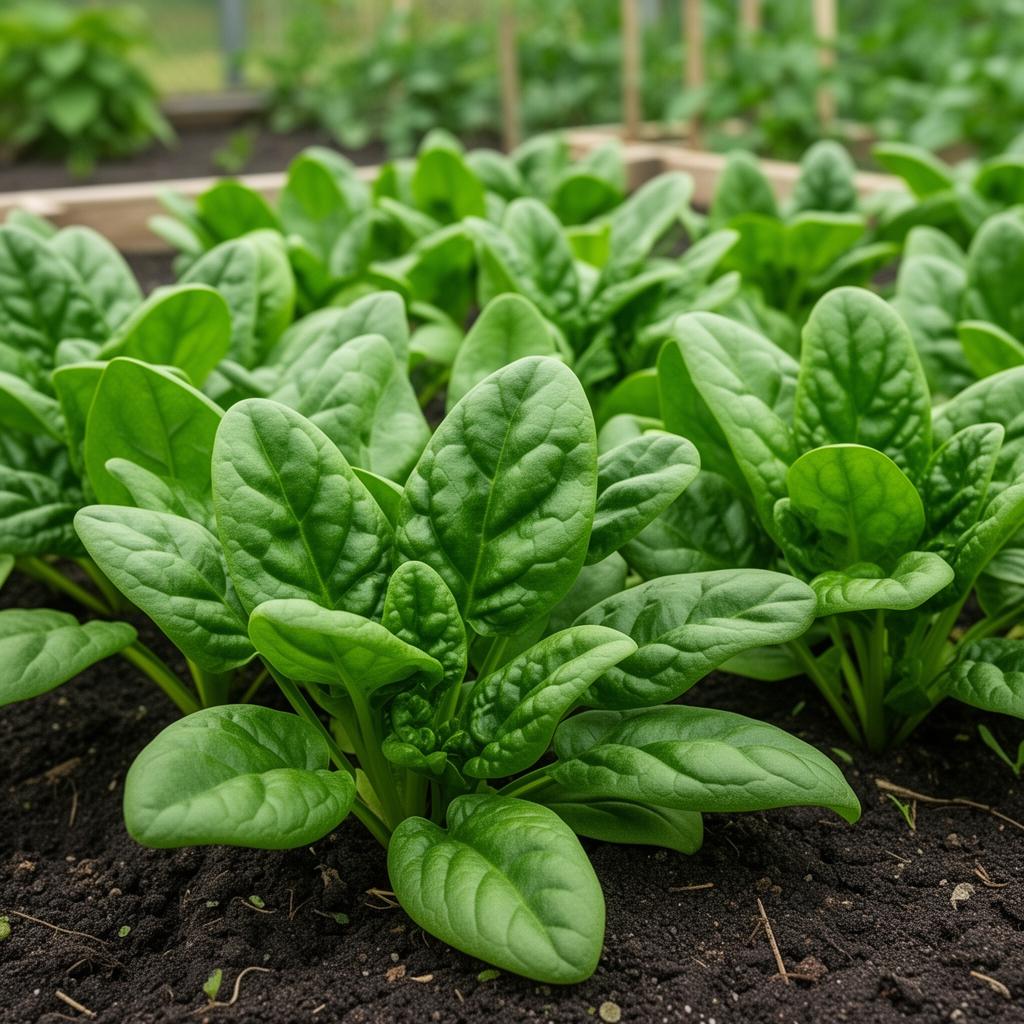
Spinach
Spinacia oleracea
Fast leafy green for spring & fall. Bolts in summer heat, succession-sow every 2 weeks.
Read guide
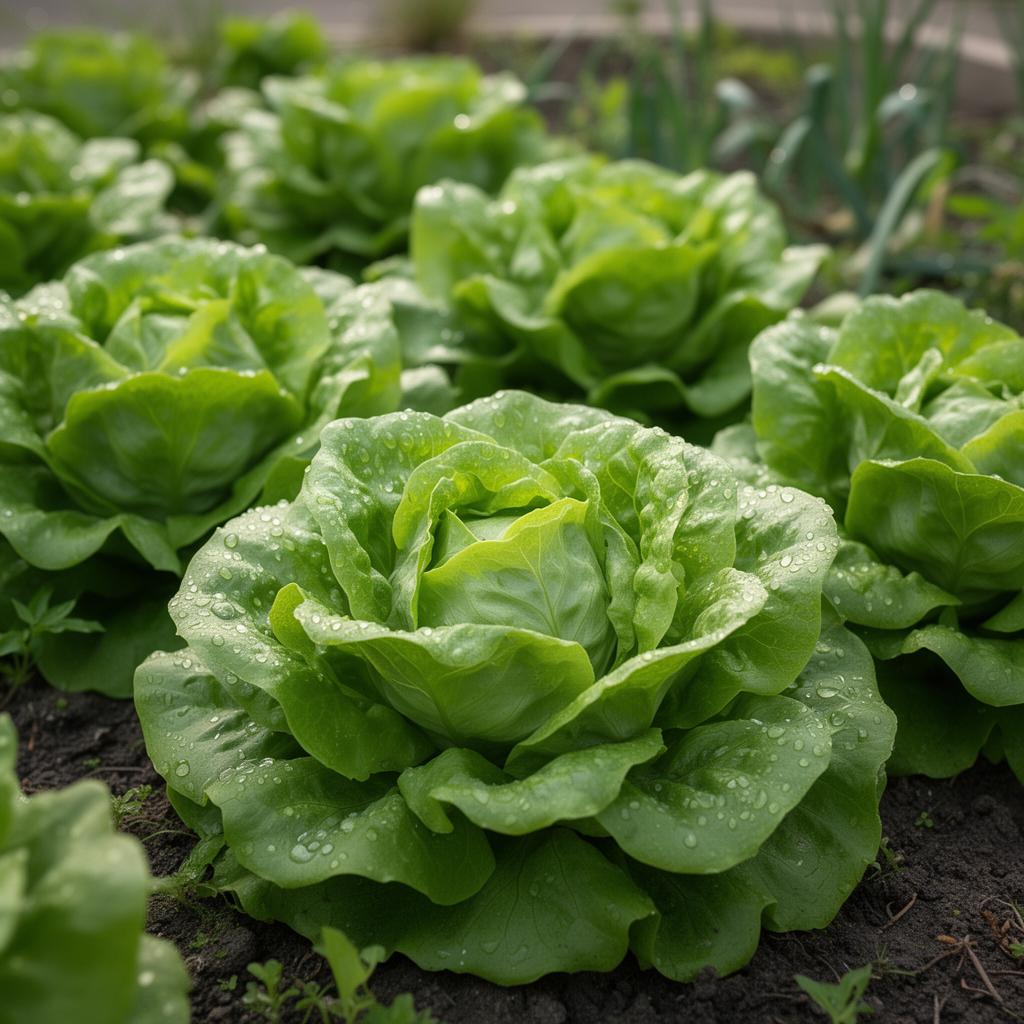
Lettuce
Lactuca sativa
Butterhead
Salad-bowl staple. Quick from seed to plate, keep shaded in summer.
Read guide
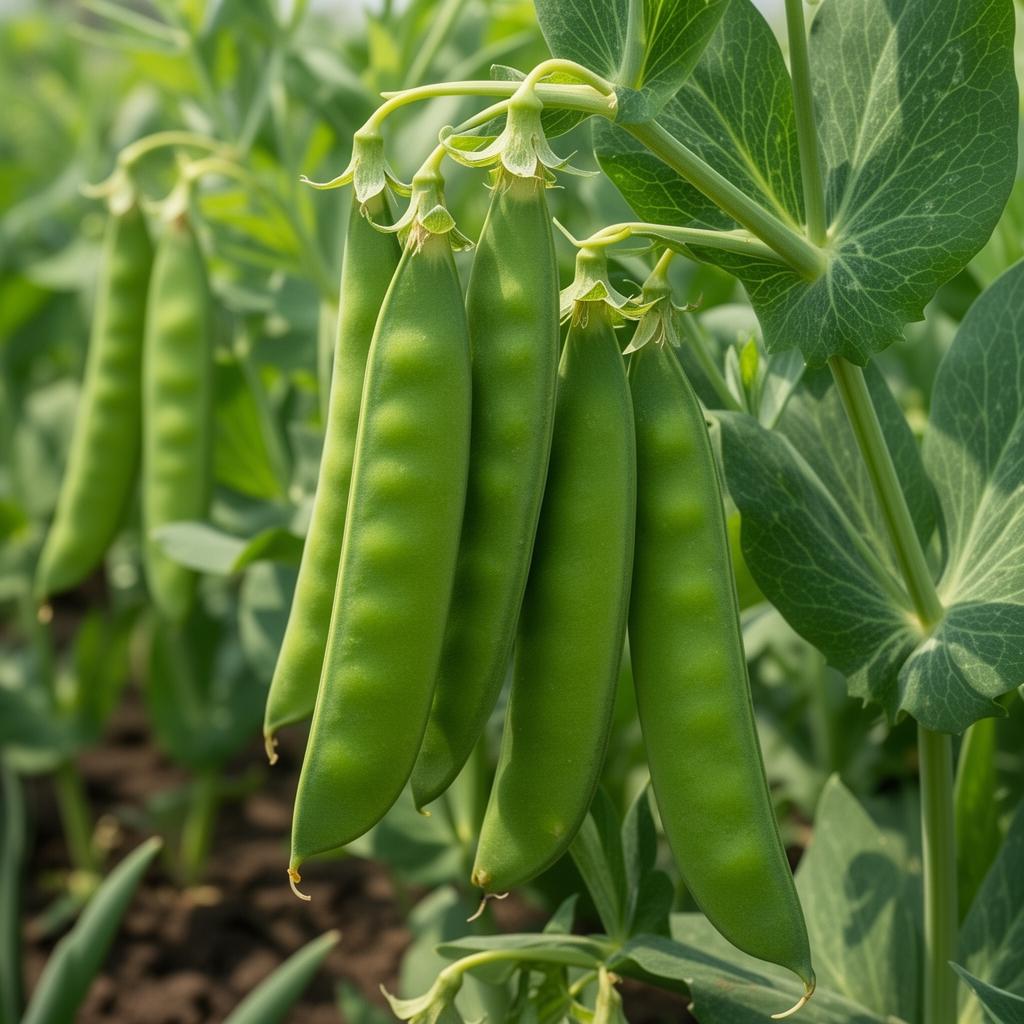
Peas
Pisum sativum
Sweet pods love cool weather. Plant as soon as soil can be worked in spring.
Read guide
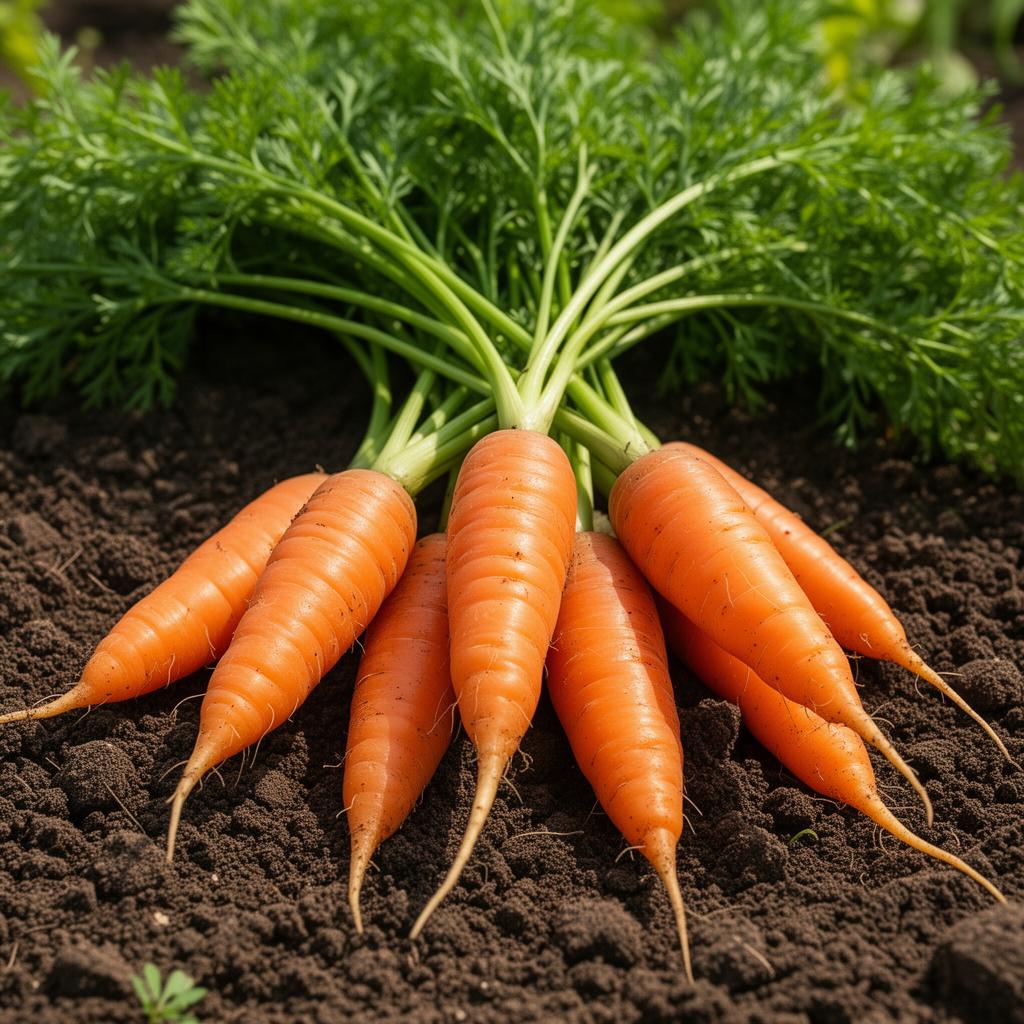
Carrot
Daucus carota subsp. sativus
Rainbow
Cool-season root crop. Loose, stone-free soil = straight roots. Thin ruthlessly.
Read guide
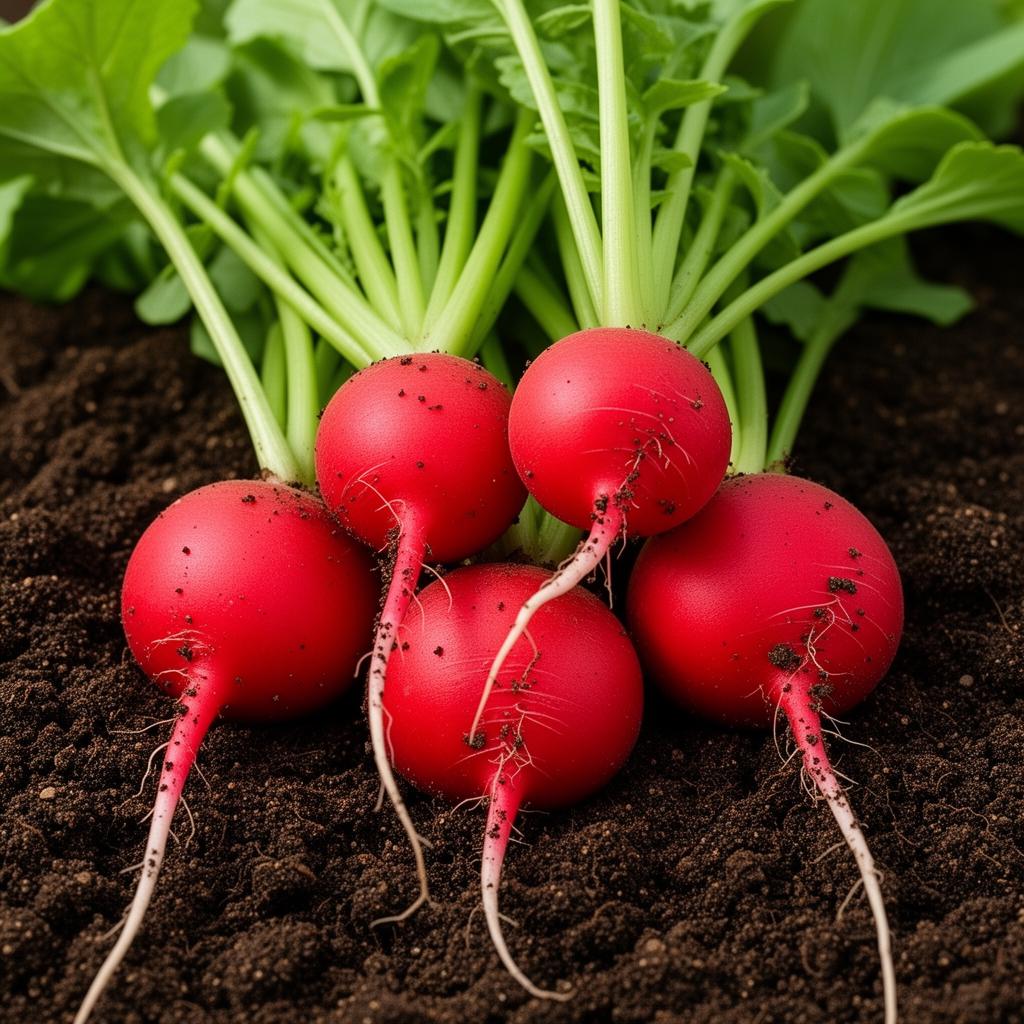
Radish
Raphanus sativus
Ready in under a month. Perfect for impatient gardeners and great soil-loosener.
Read guide
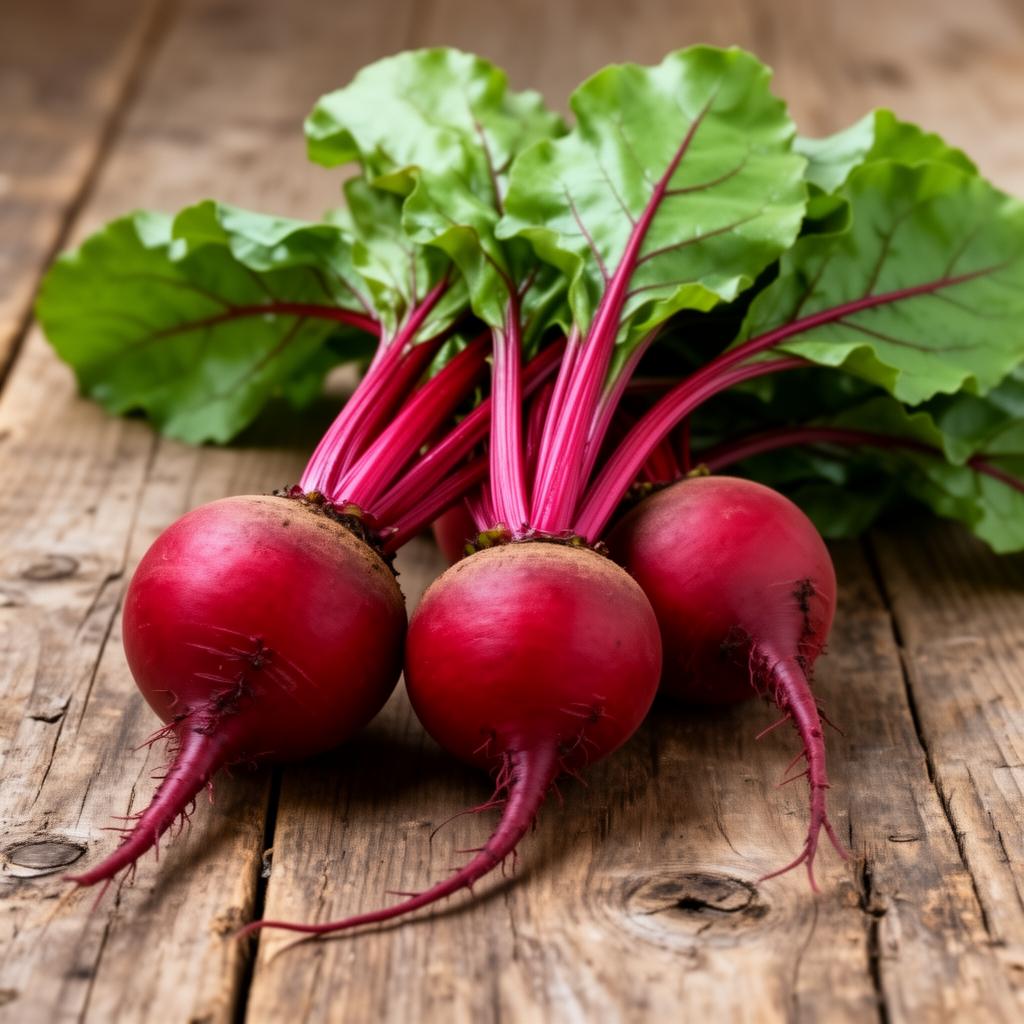
Beet
Two crops in one, sweet roots and edible tops. Tolerates light frost.
Read guide
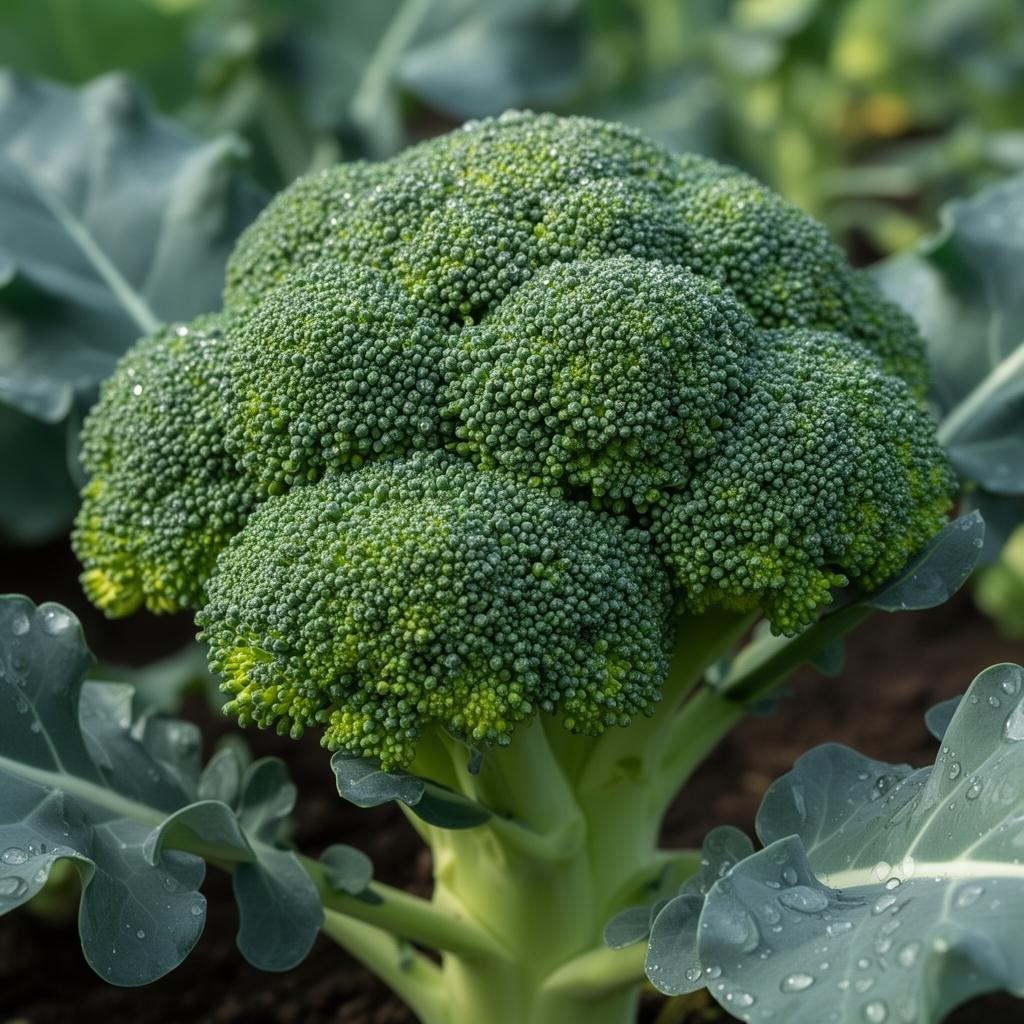
Broccoli
Heads form best in cool weather. Side-shoots keep producing after main harvest.
Read guide
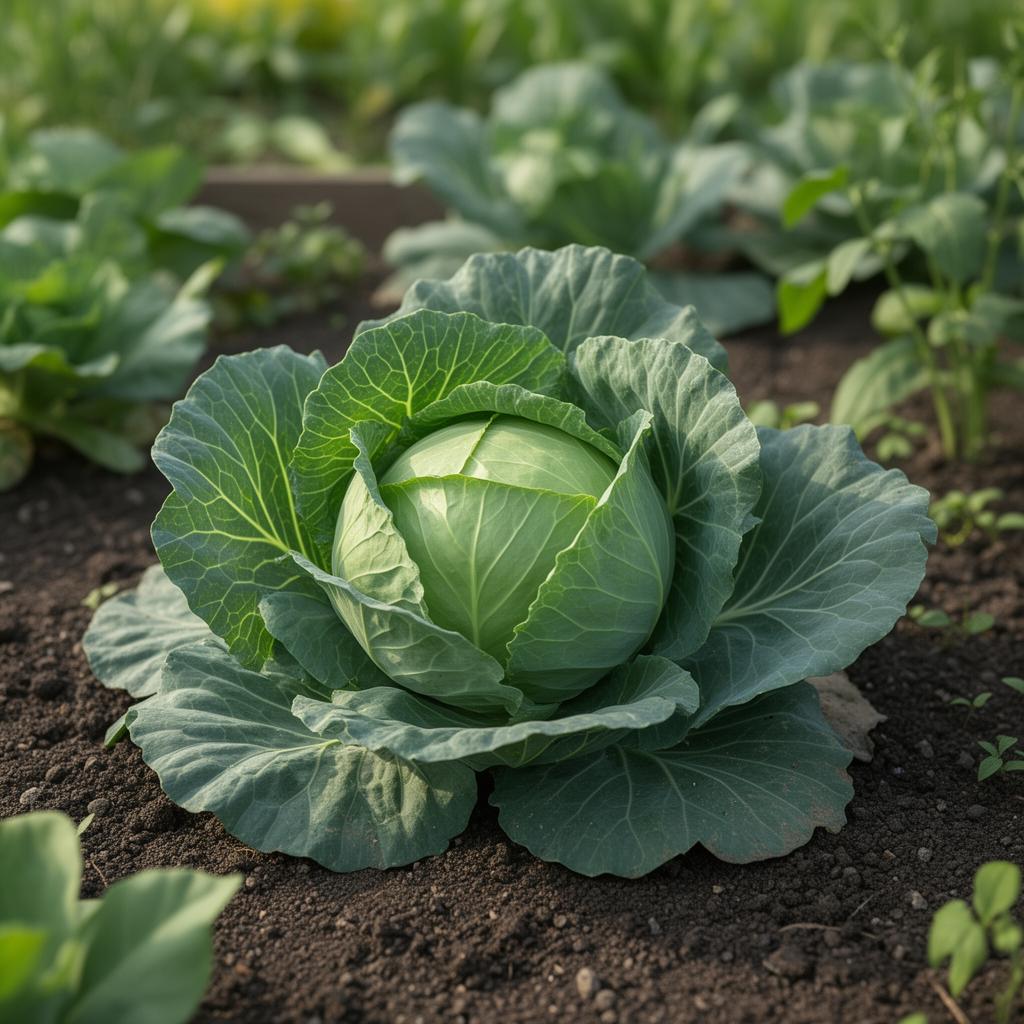
Cabbage
Cool-weather brassica. Mulch heavy and water deep for tight, sweet heads.
Read guide
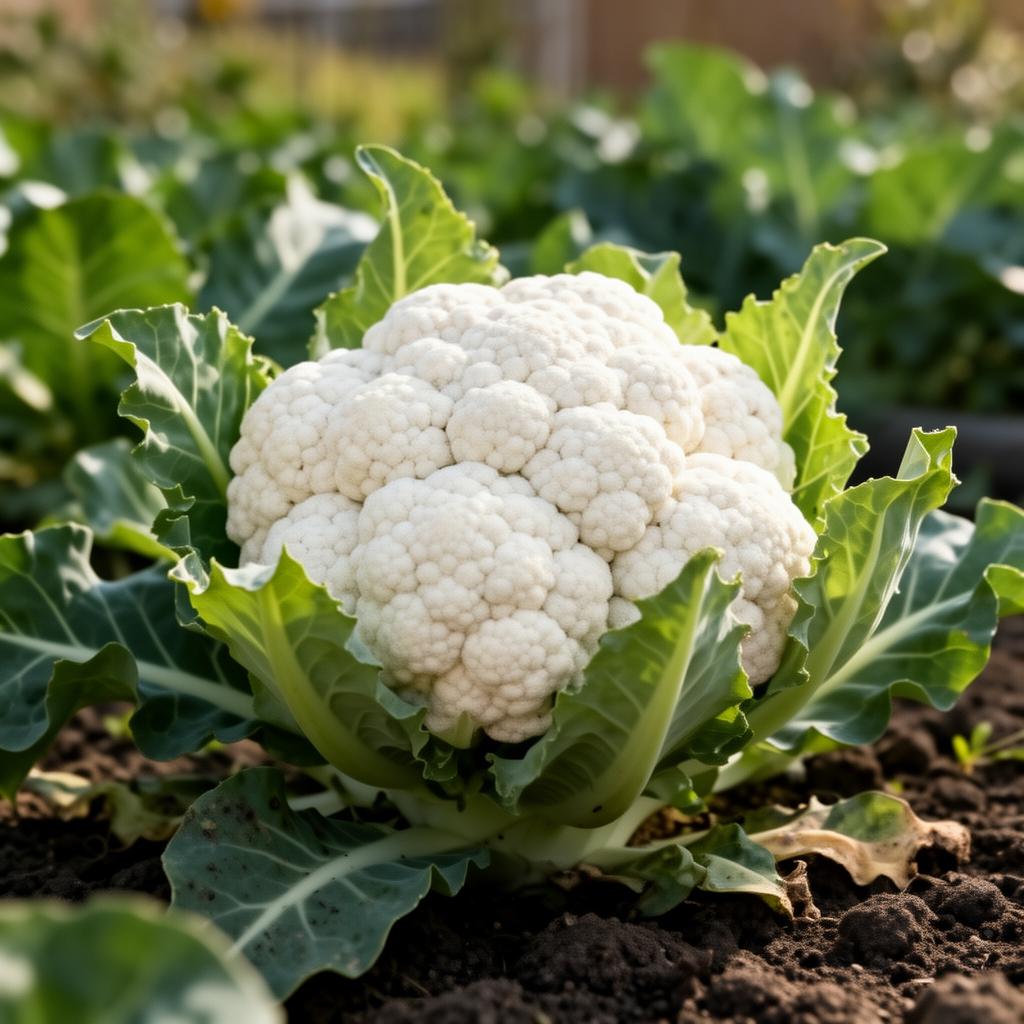
Cauliflower
Demanding cousin of broccoli. Blanch heads by tying outer leaves over the curd.
Read guide
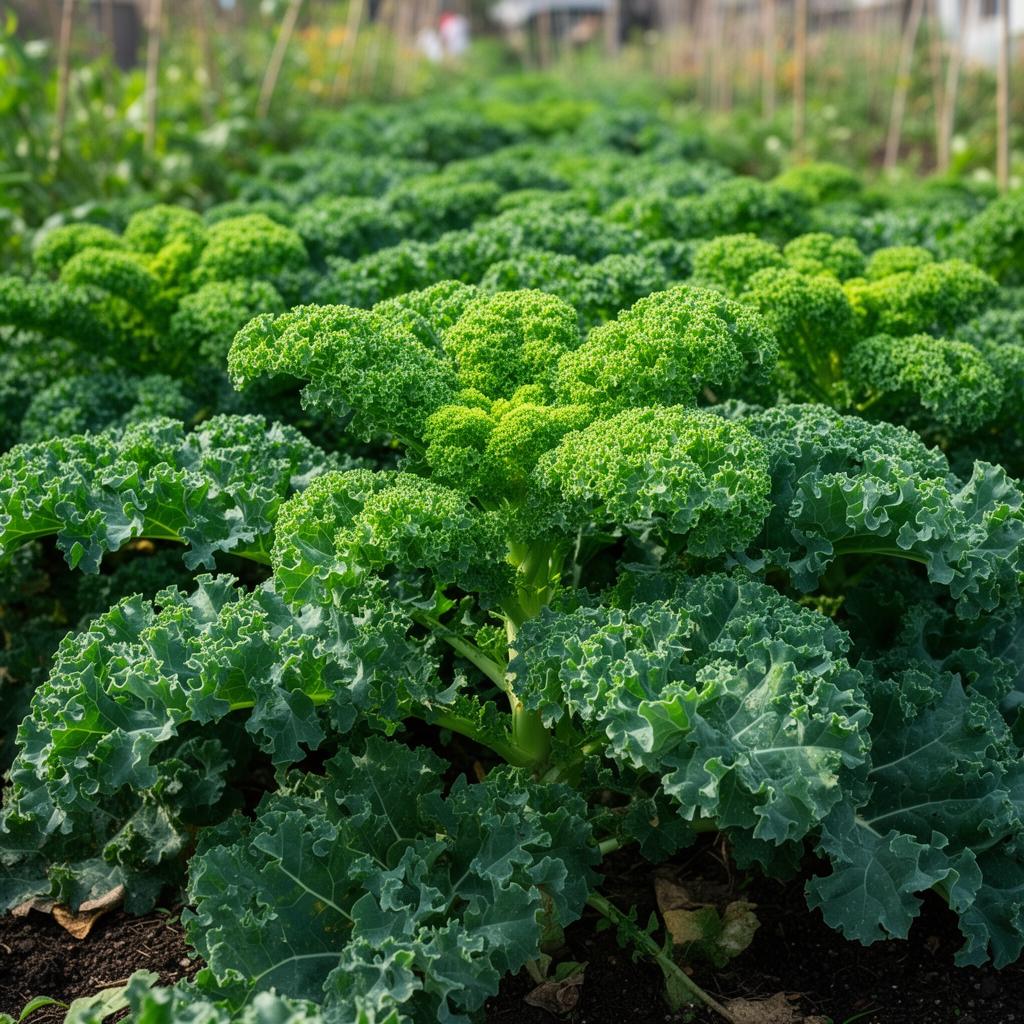
Kale
Frost makes it sweeter. Pick outer leaves and it keeps going for months.
Read guide
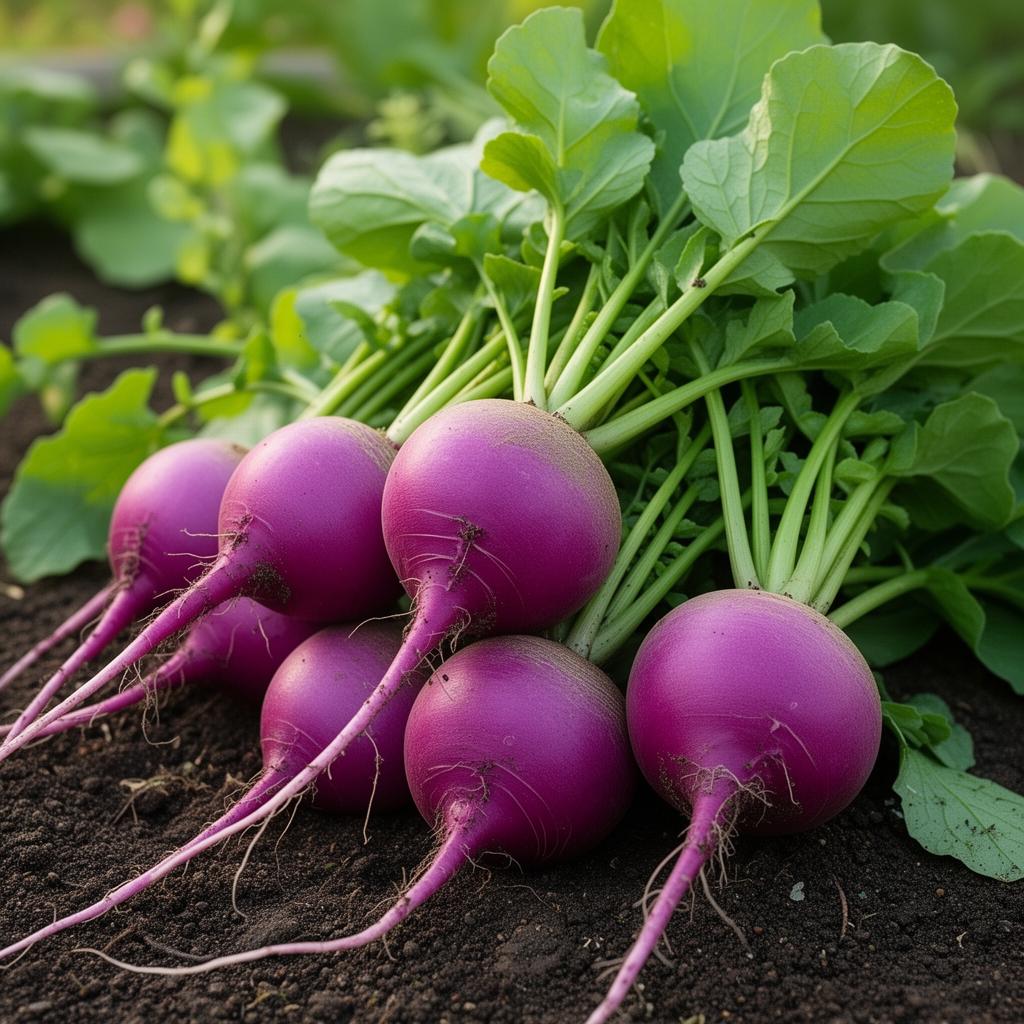
Turnip
Quick double-duty crop, tender greens in 30 days, sweet roots in 60.
Read guide
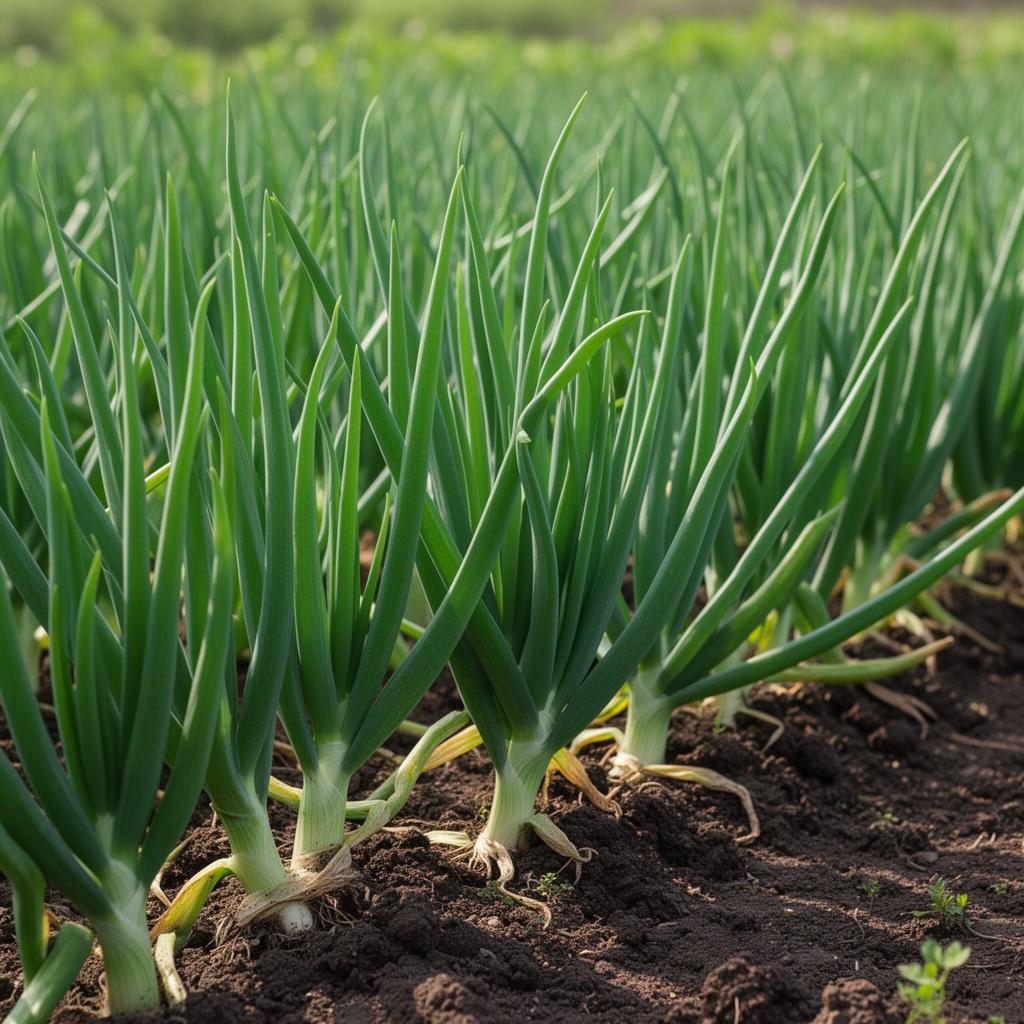
Green Onion
Easy & quick. Pull whole or snip tops and let regrow.
Read guide
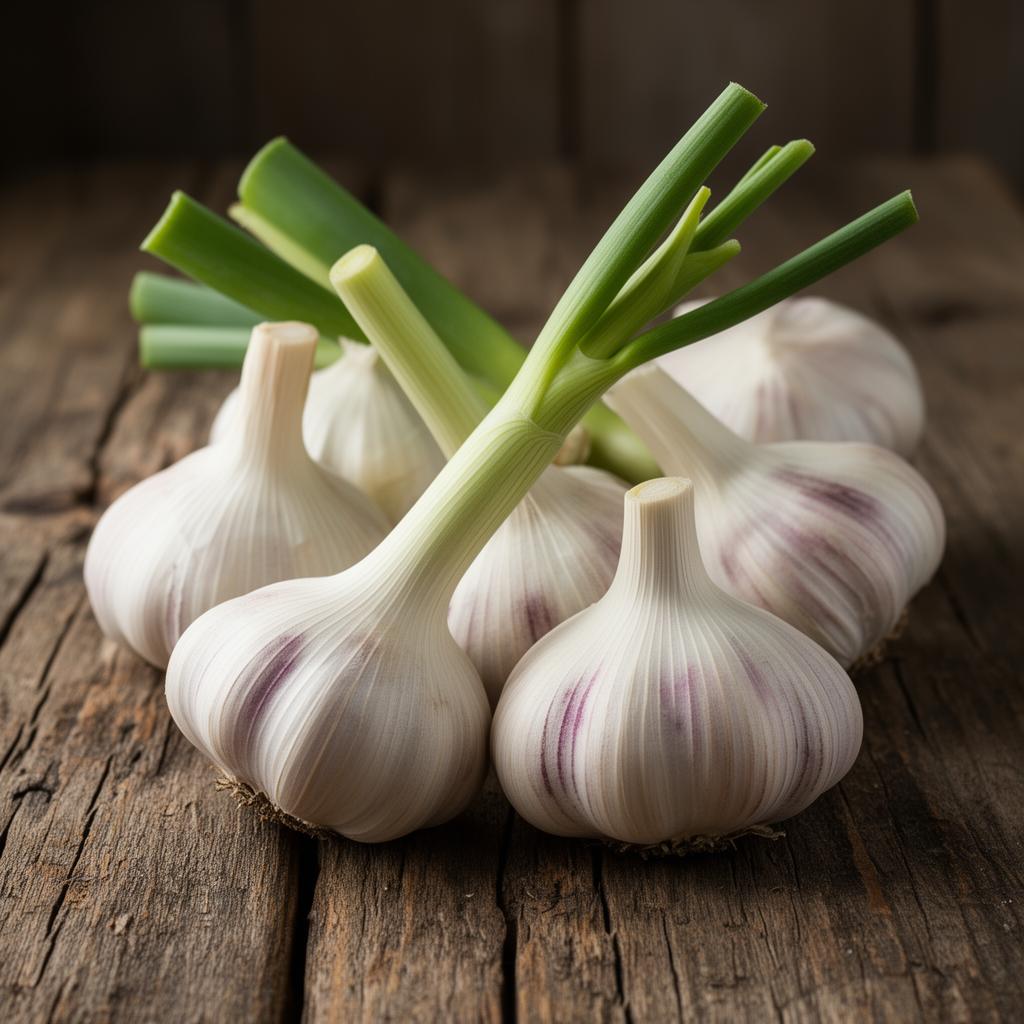
Garlic
Allium sativum
Plant cloves in fall, harvest mid-summer. Mulch heavy for winter survival.
Read guide
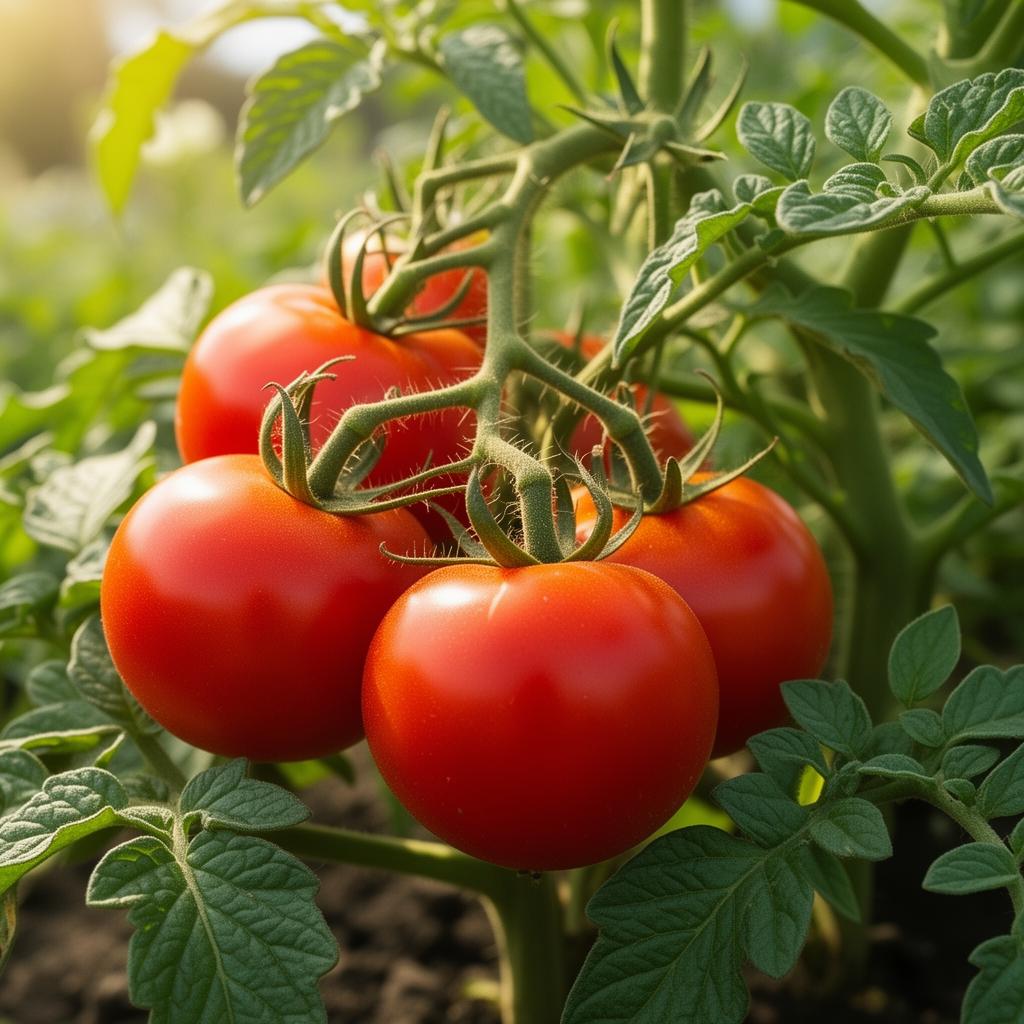
Tomato
Solanum lycopersicum
Heirloom
Sun-loving fruiting plant. Stake or cage early. Pinch suckers for indeterminate varieties.
Read guide
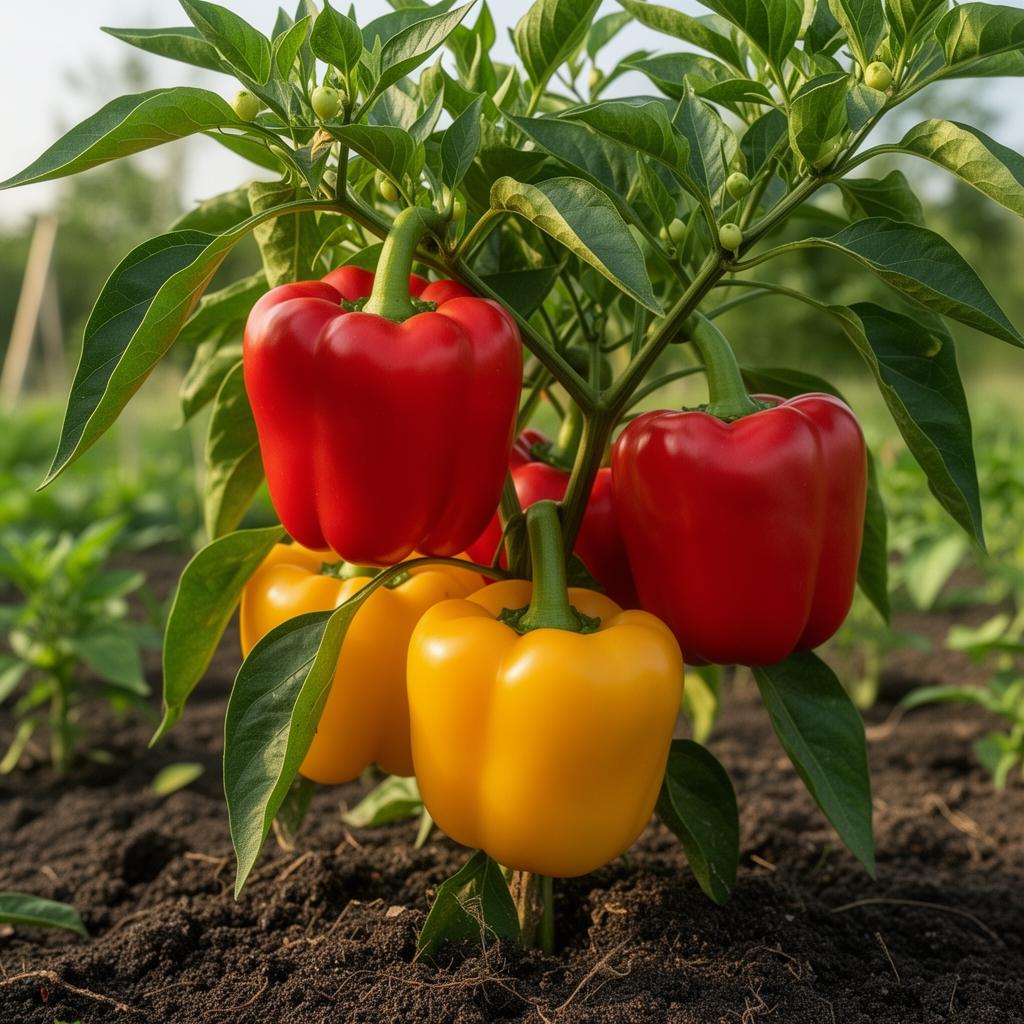
Bell Pepper
Warm-season fruit. Slow start, sow indoors 8, 10 weeks before last frost.
Read guide
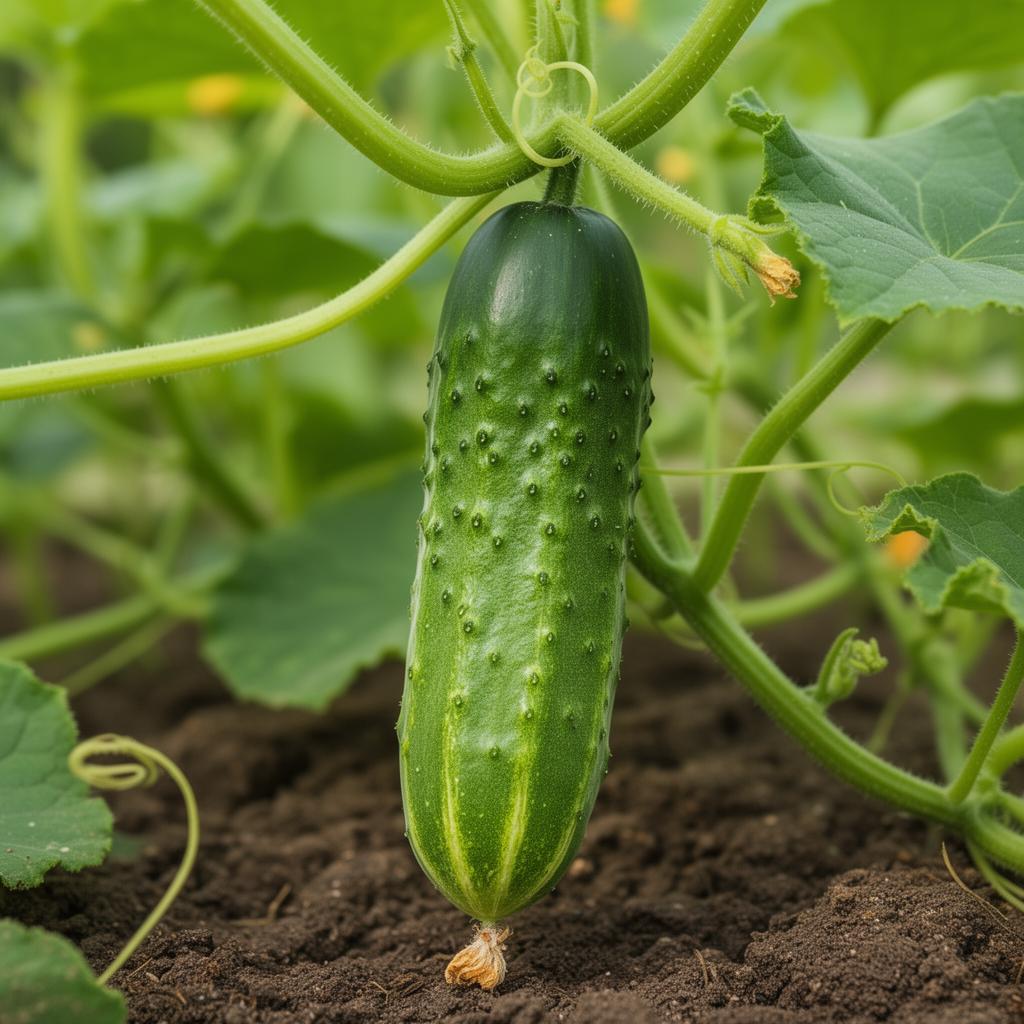
Cucumber
Cucumis sativus
Thirsty summer climber. Trellis to save space and keep fruit straight.
Read guide
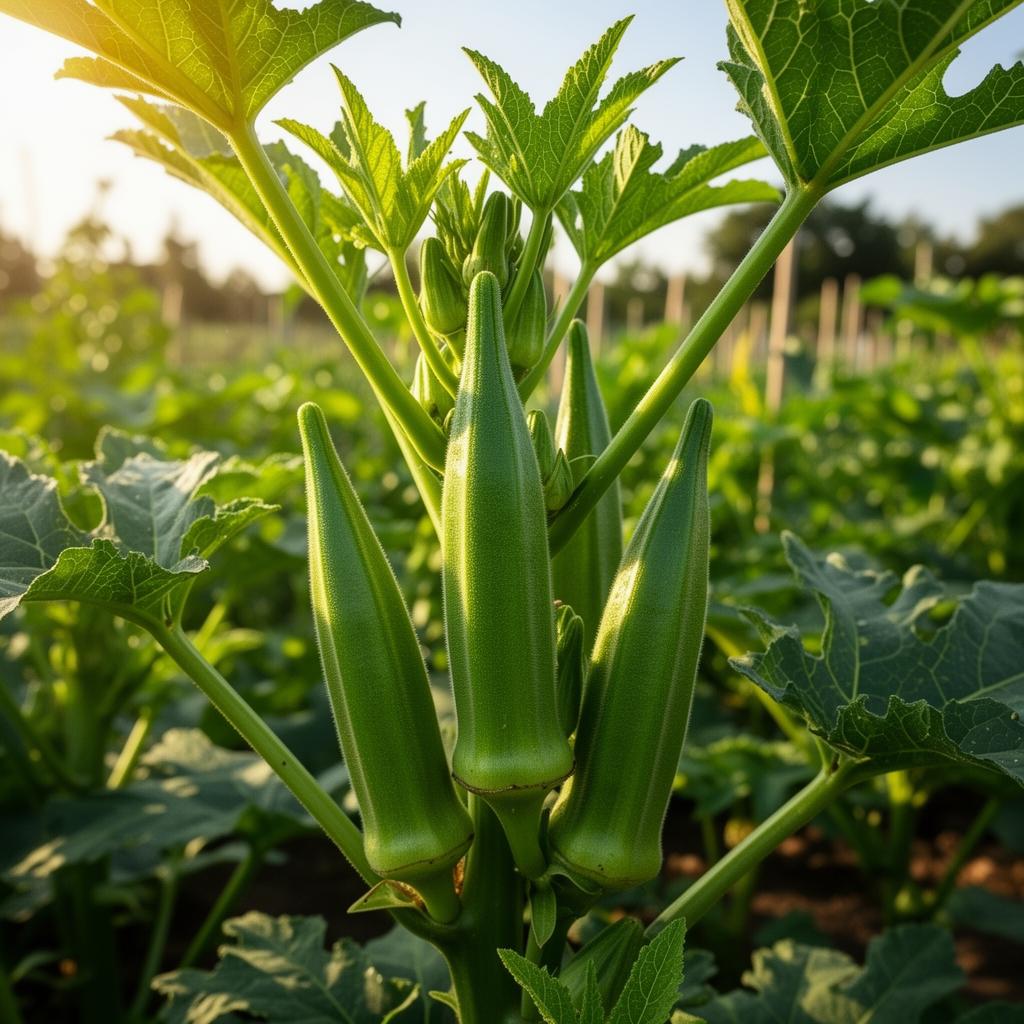
Okra
Abelmoschus esculentus
Thrives in Southern US heat. Pick pods young (5 cm) for tender quality.
Read guide
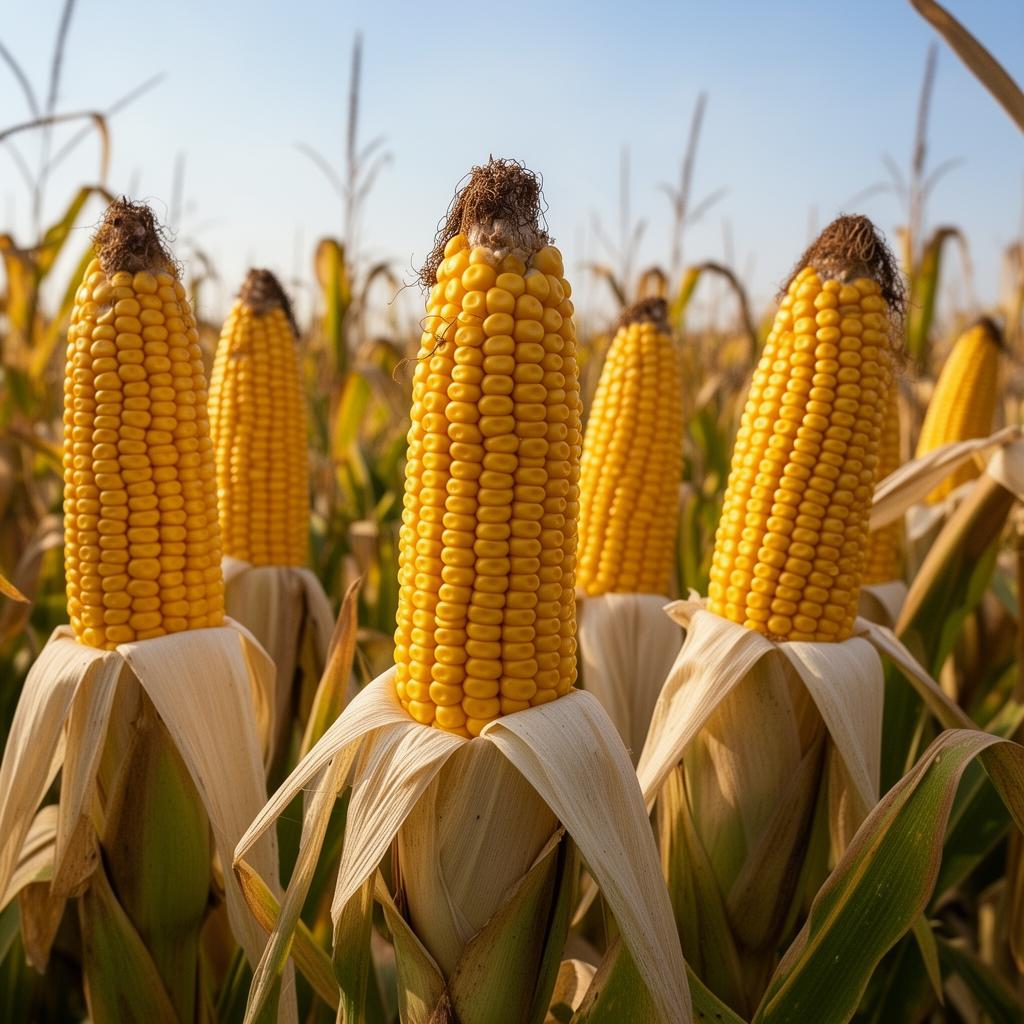
Sweet Corn
Zea mays (Sweet Corn Group)
Wind-pollinated, plant in 4×4 blocks, not single rows. Heavy feeder.
Read guide
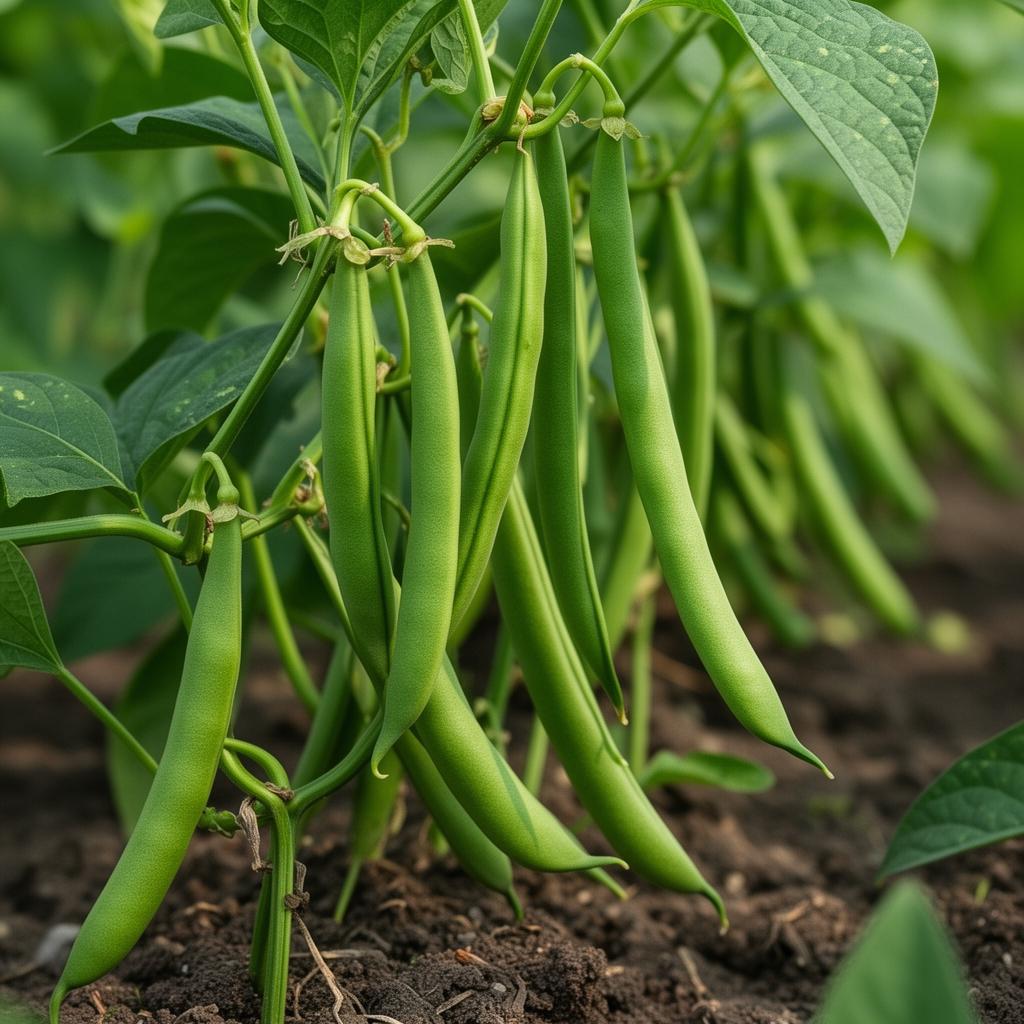
Green Bean
Phaseolus vulgaris
Easy and prolific. Bush varieties need no support; pole beans climb 2 m+.
Read guide
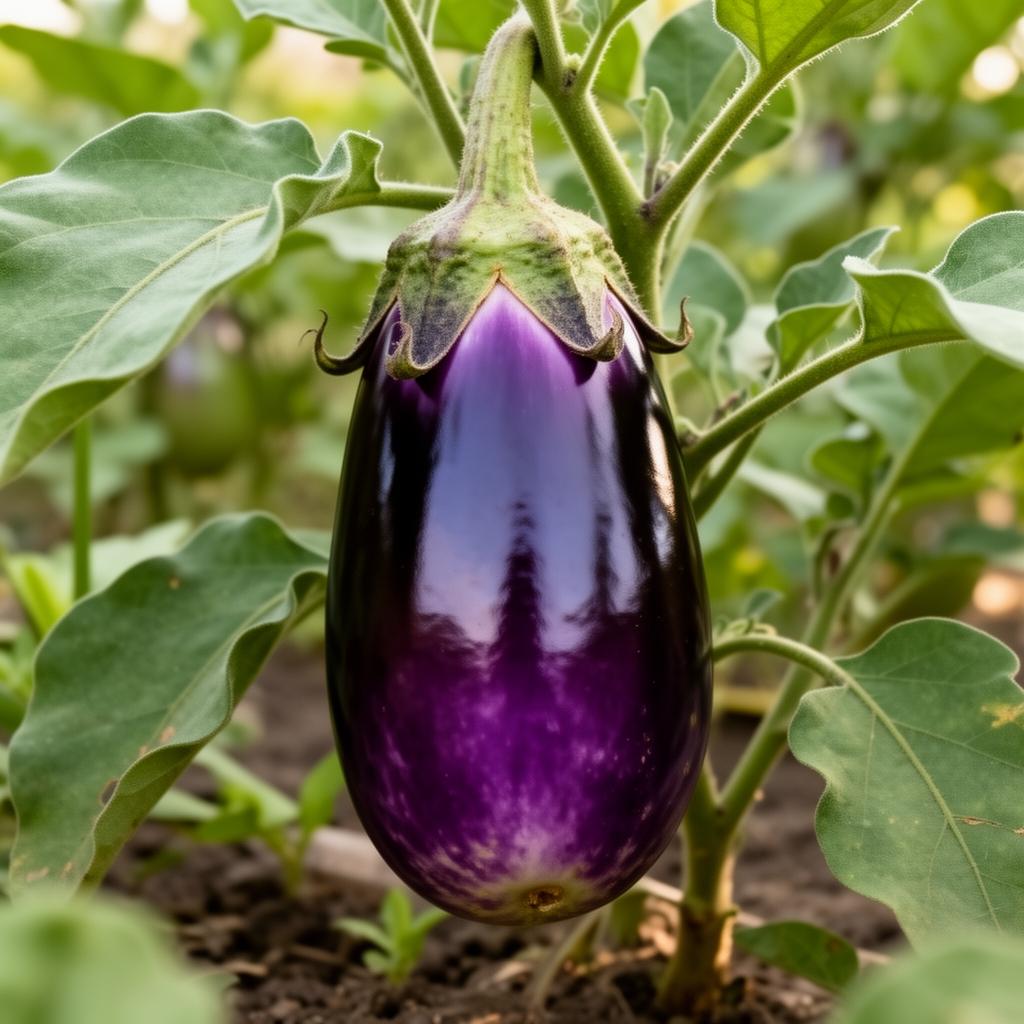
Eggplant
Solanum melongena
Warm-soil lover. Mulch black plastic in cooler zones to boost soil temp.
Read guide
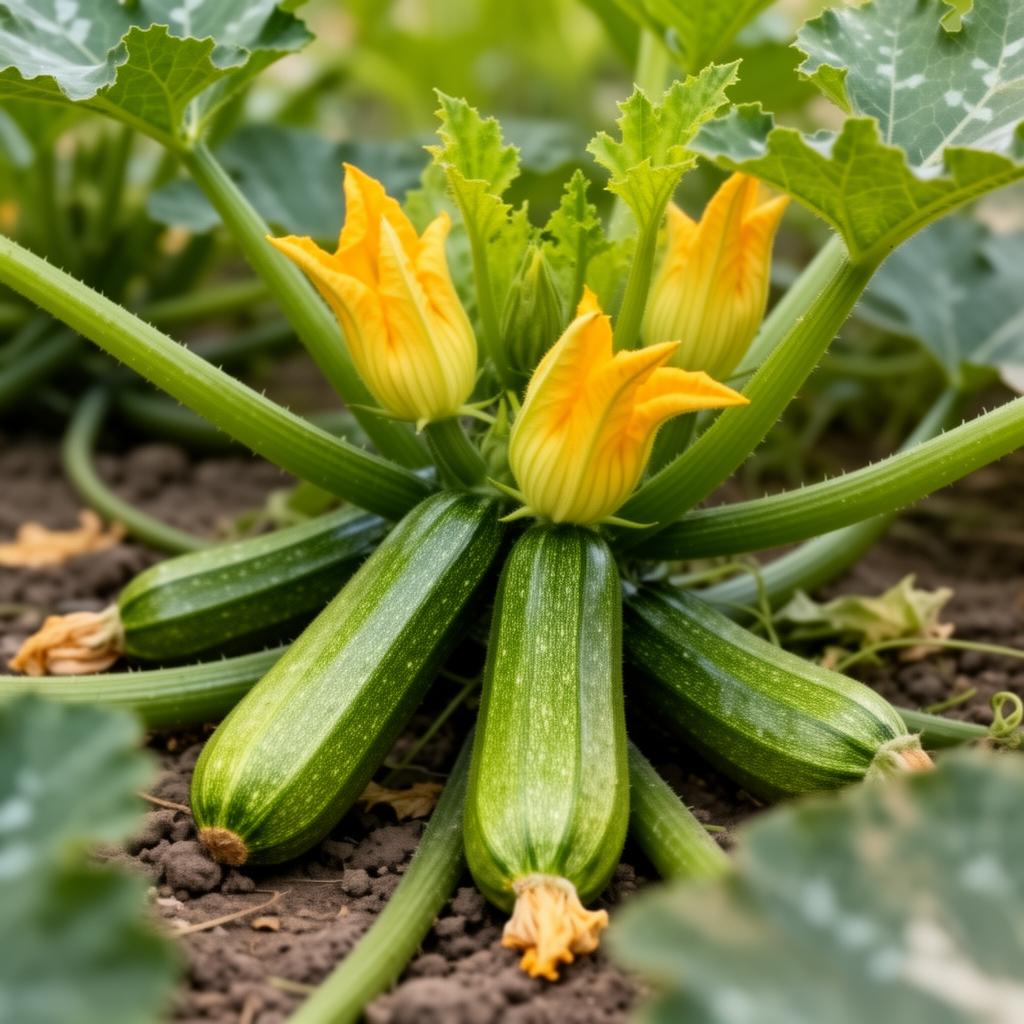
Zucchini / Squash
One plant feeds a family. Pick fruit small (15 cm), they grow overnight.
Read guide
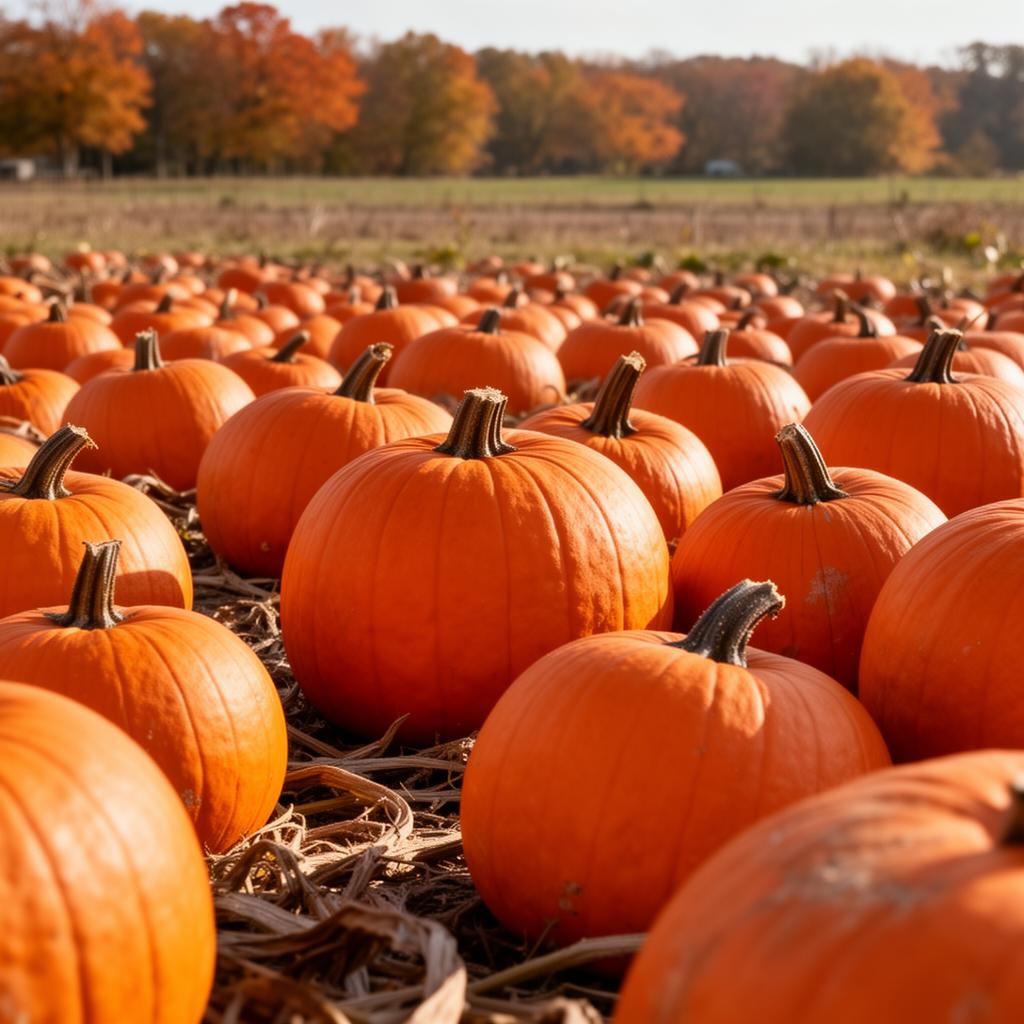
Pumpkin
Long-season sprawler. Plant in late spring for October harvest.
Read guide
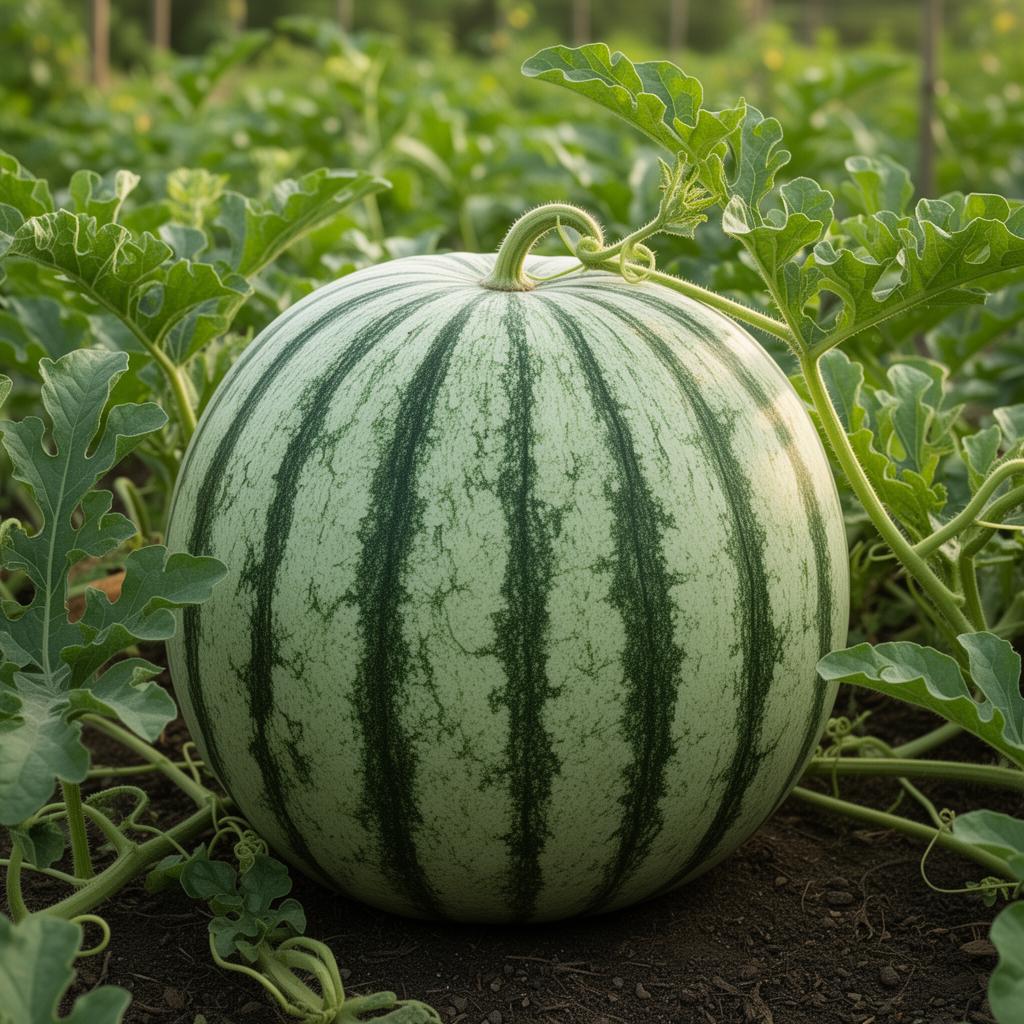
Watermelon / Melon
Heat & water lovers. Cut back on water as fruit ripens for sweetest flavor.
Read guide
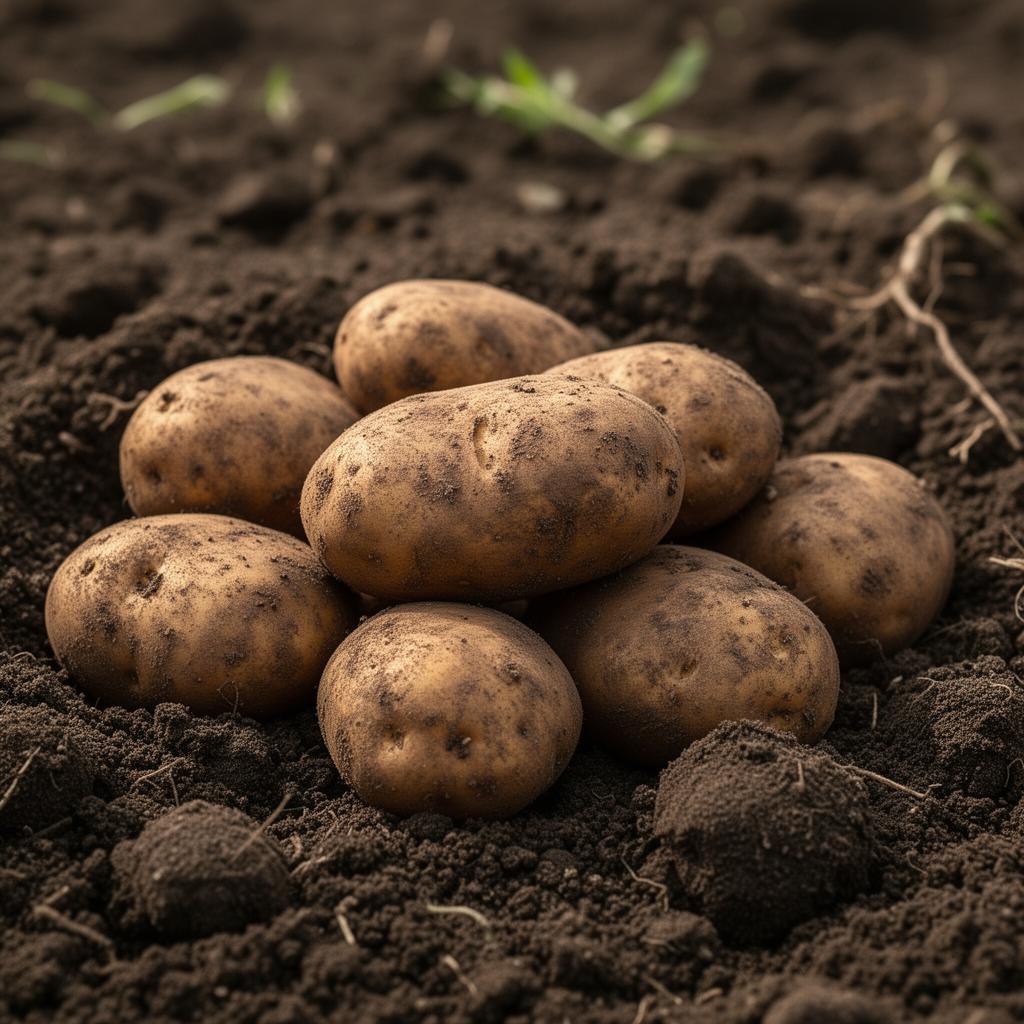
Potato
Solanum tuberosum
Plant seed potatoes in spring. Hill soil around stems as they grow.
Read guide
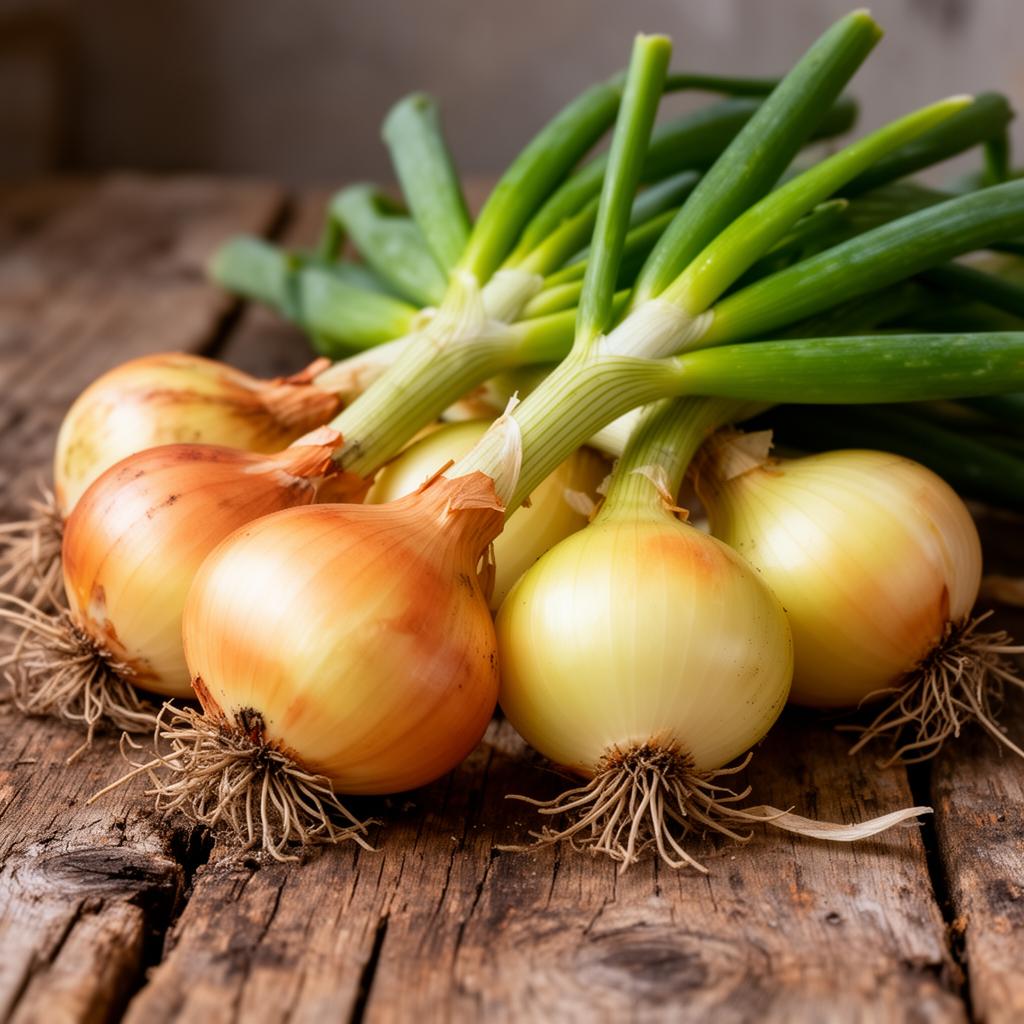
Onion
Allium cepa
Long-season bulb. Choose long-day (North) or short-day (South) varieties for your latitude.
Read guide
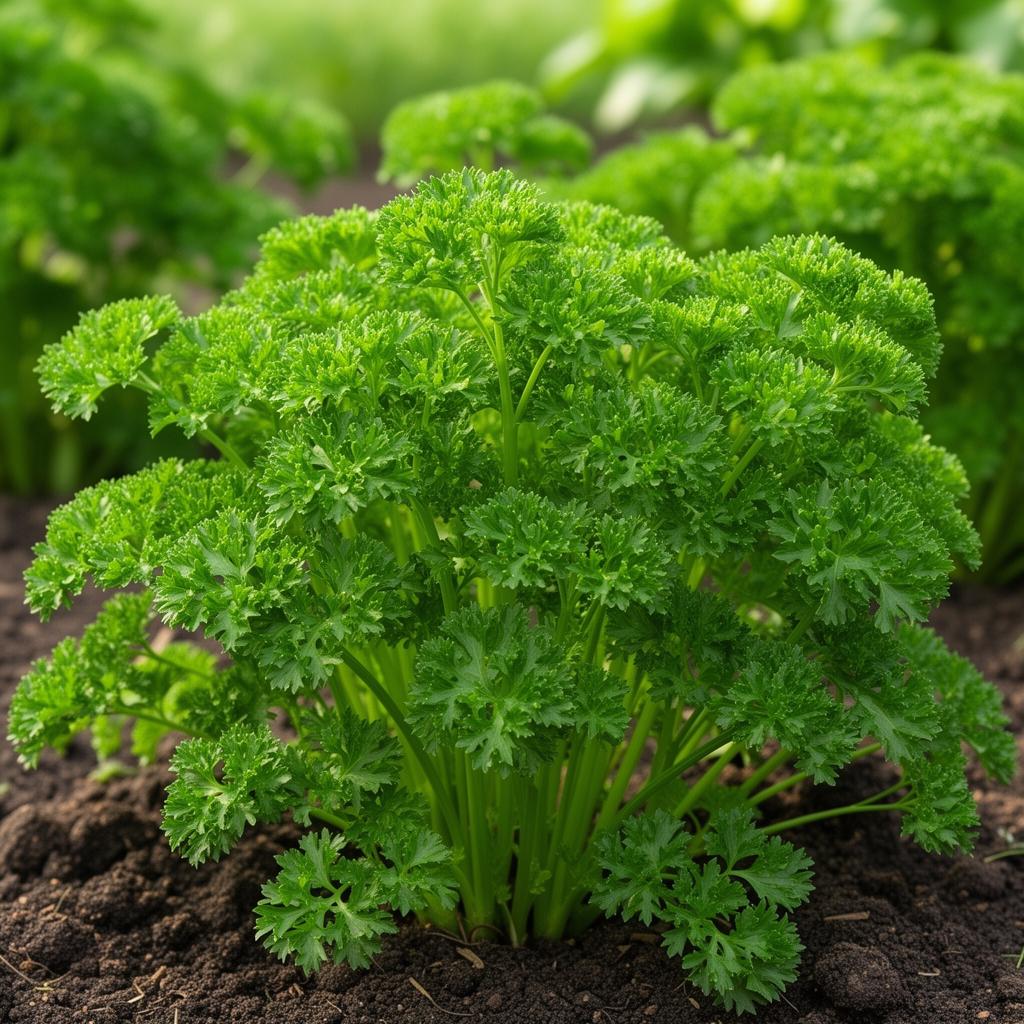
Parsley
Petroselinum crispum
Slow to germinate but worth the wait. Cut & come again all season.
Read guide
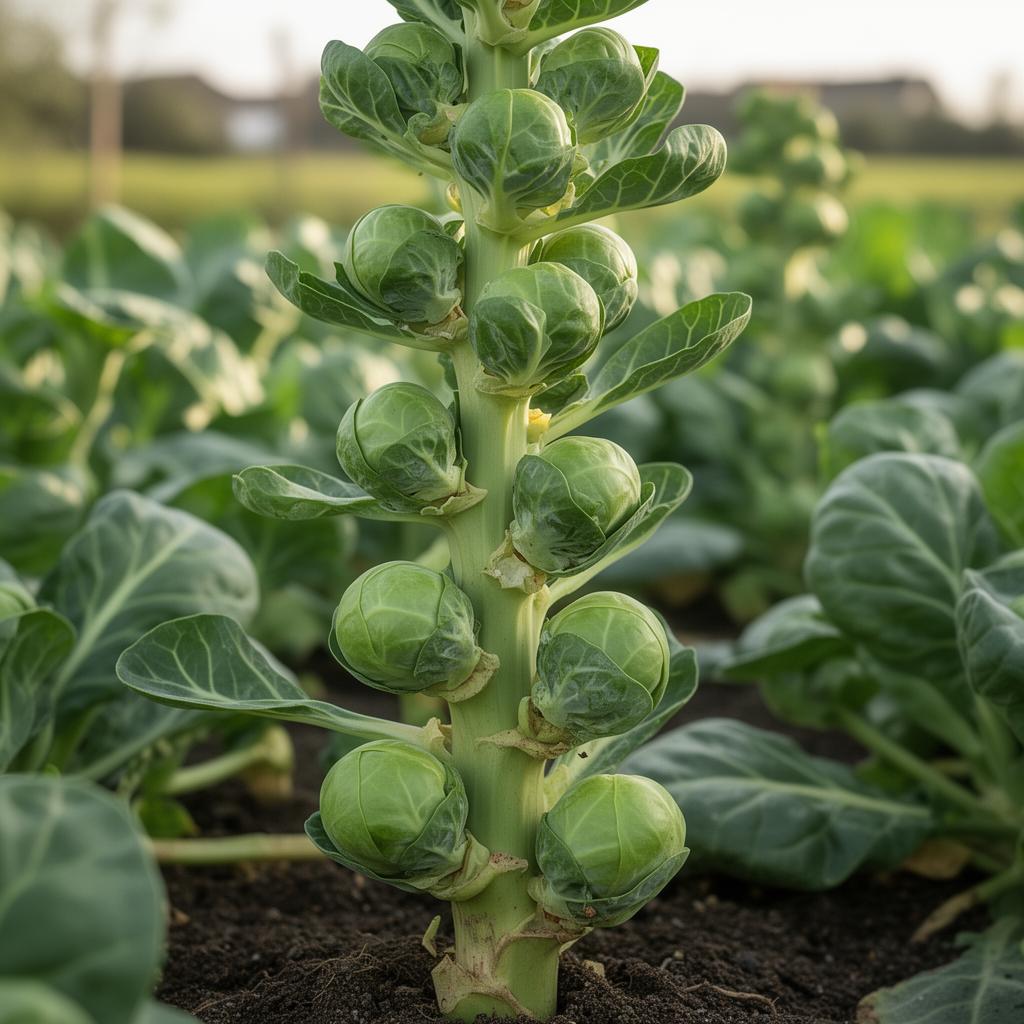
Brussels Sprouts
Long-season crop maturing in cool fall. Frost makes sprouts sweeter.
Read guide
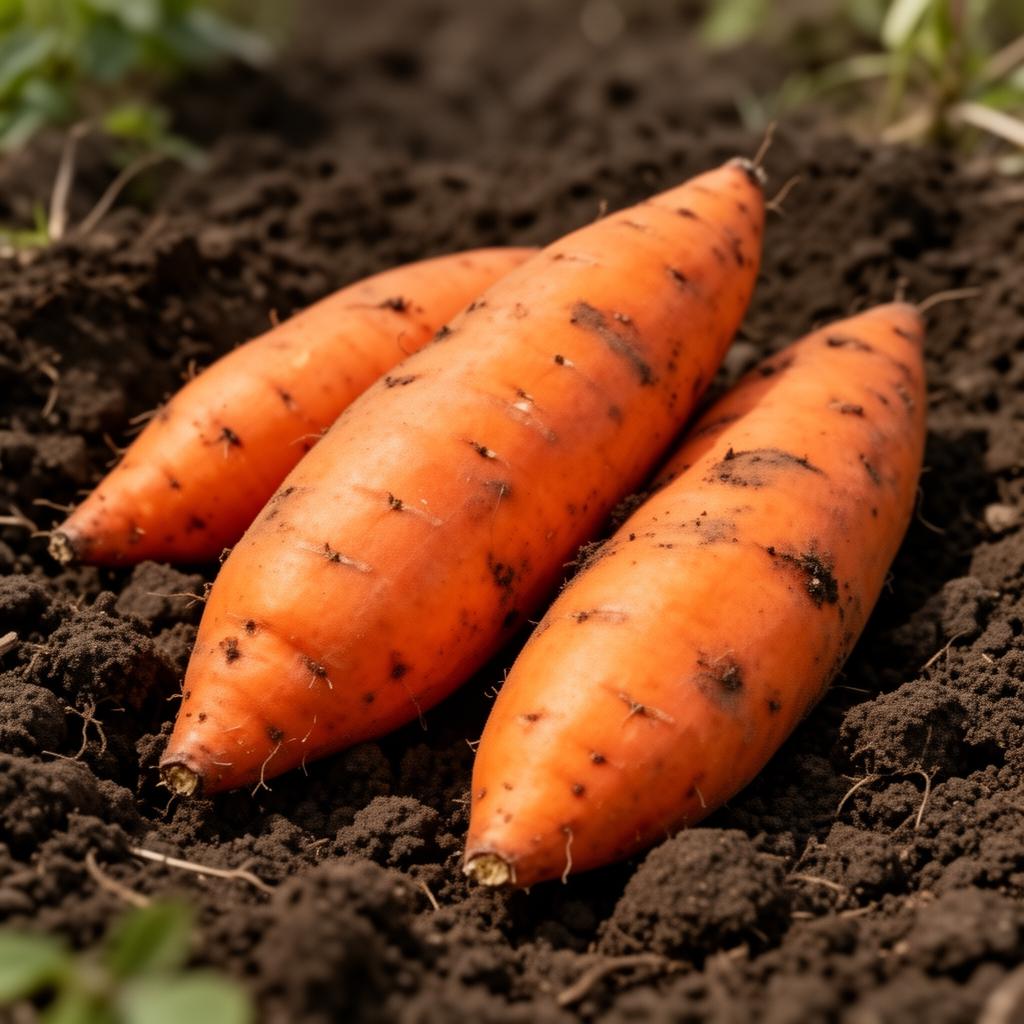
Sweet Potato
Ipomoea batatas
Long warm season, plant slips after last frost, harvest before first fall frost.
Read guide
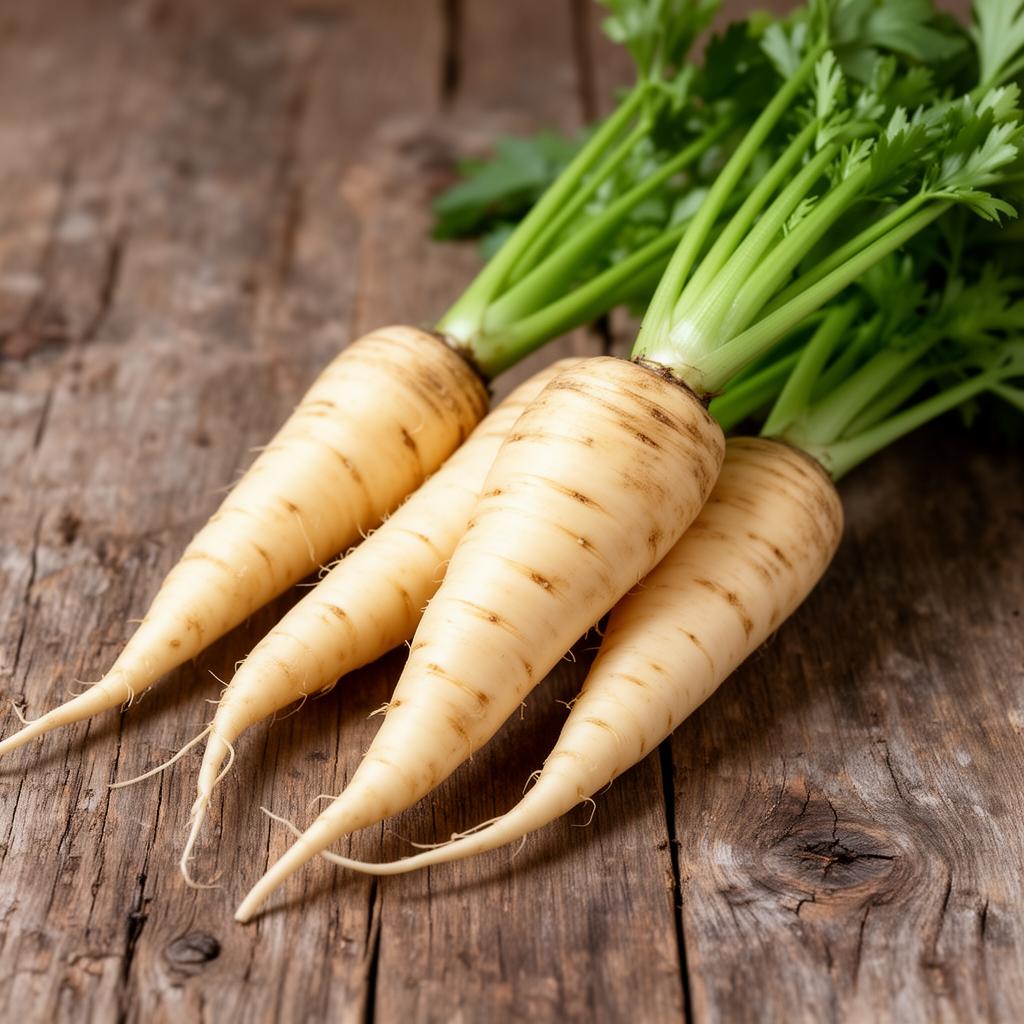
Parsnip
Long, slow root crop. Leave in ground over winter, frost converts starch to sugar.
Read guide
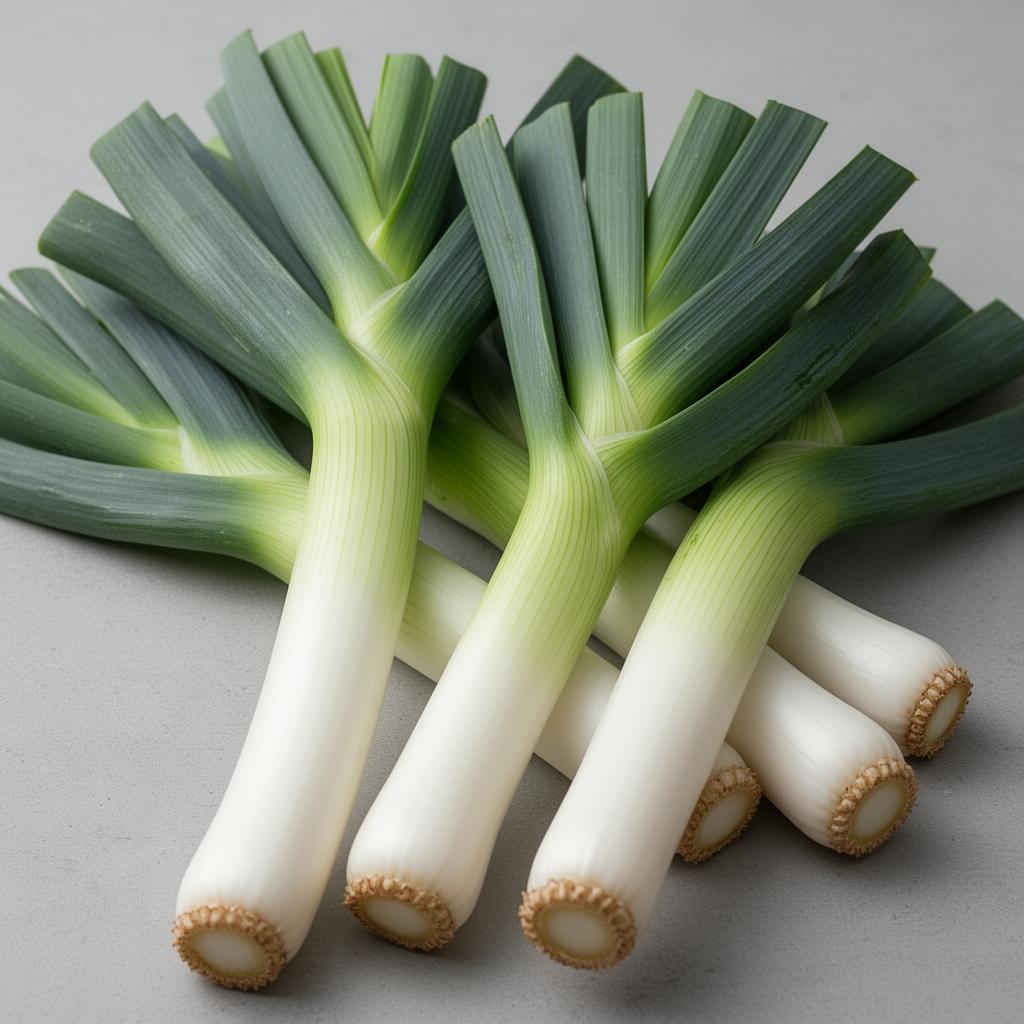
Leek
Mild allium that overwinters in many US zones. Hill soil for long white shanks.
Read guide
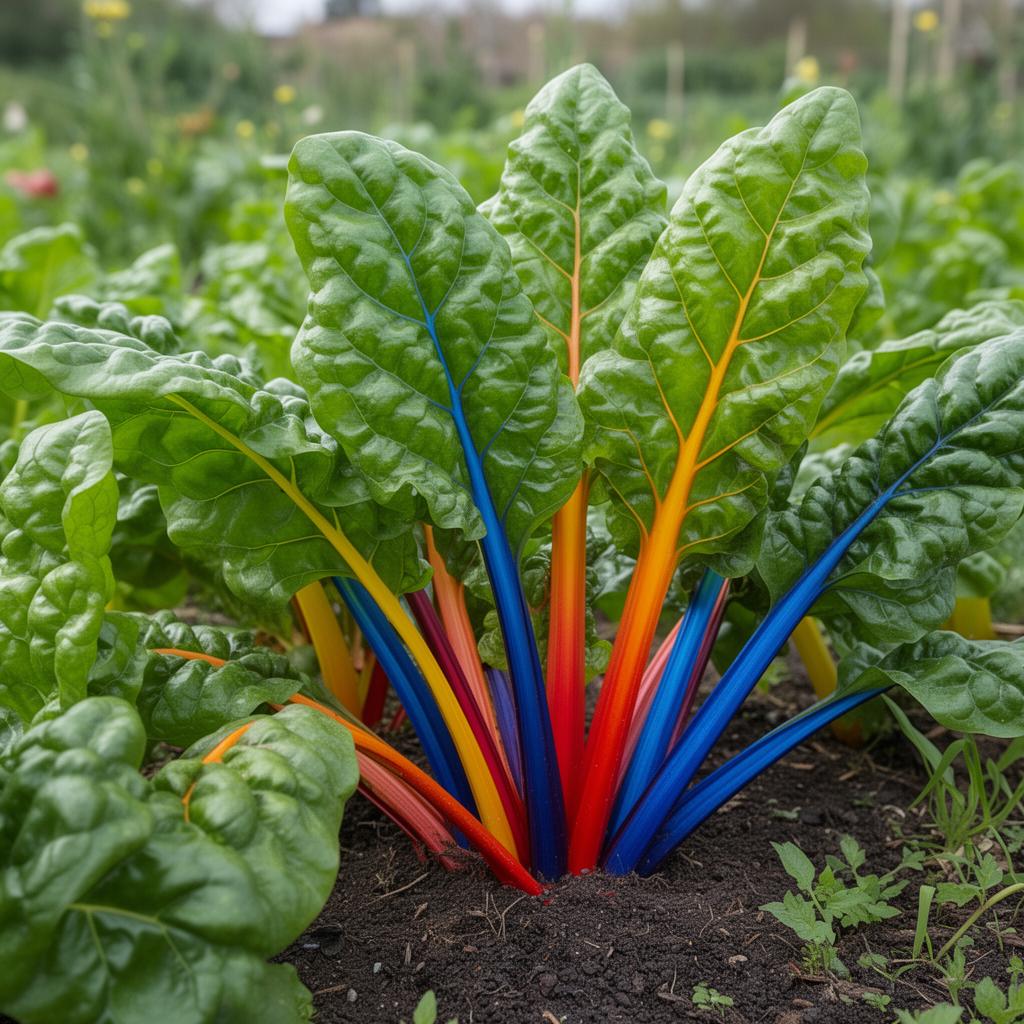
Swiss Chard
Heat-tolerant unlike spinach, frost-tolerant unlike lettuce. The most forgiving green.
Read guide
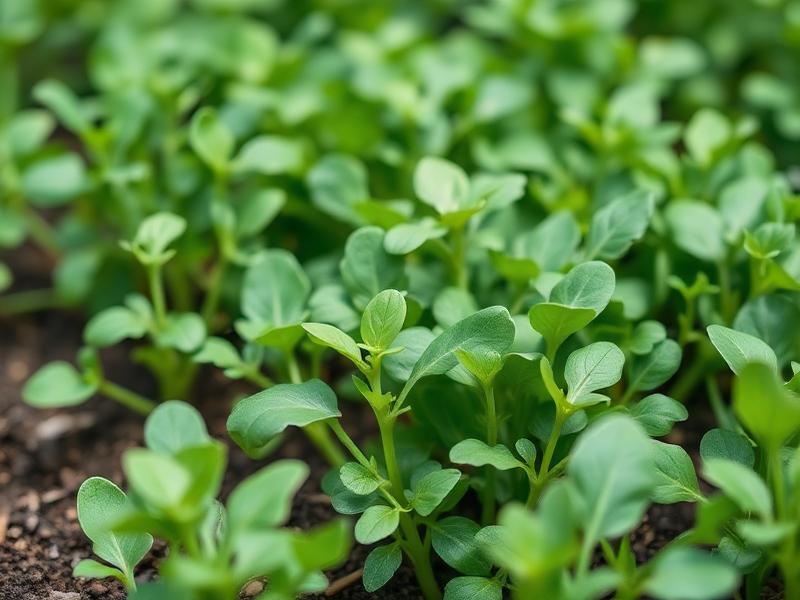
Arugula
Fast-growing peppery salad green for cool seasons. Ready in 3 to 4 weeks from sowing.
Read guide
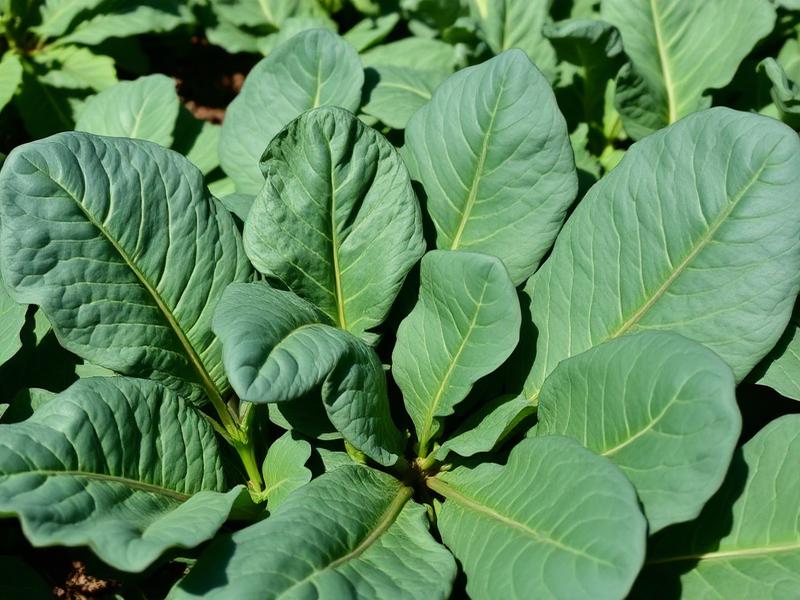
Collard Greens
Hardy southern green that sweetens with frost. A true USA classic.
Read guide
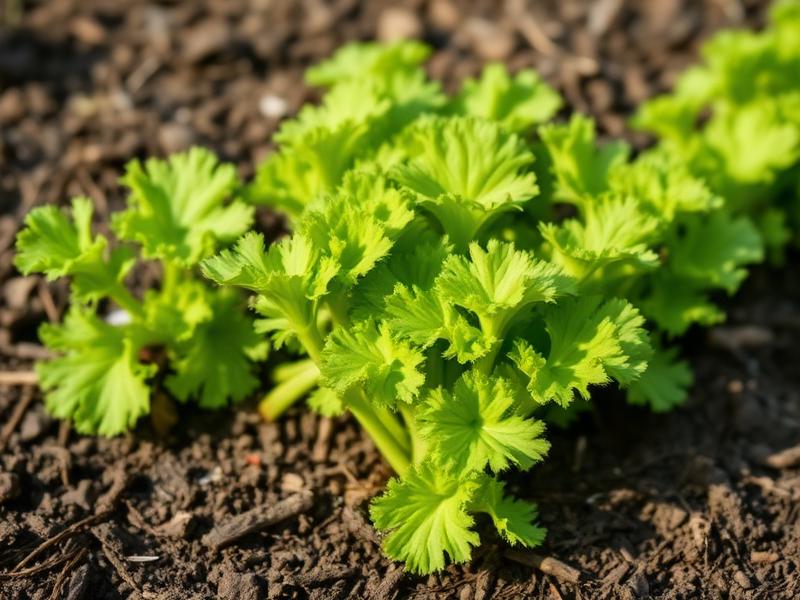
Mustard Greens
Quick spicy leaves great in salads or sautéed. Tolerates light frost.
Read guide
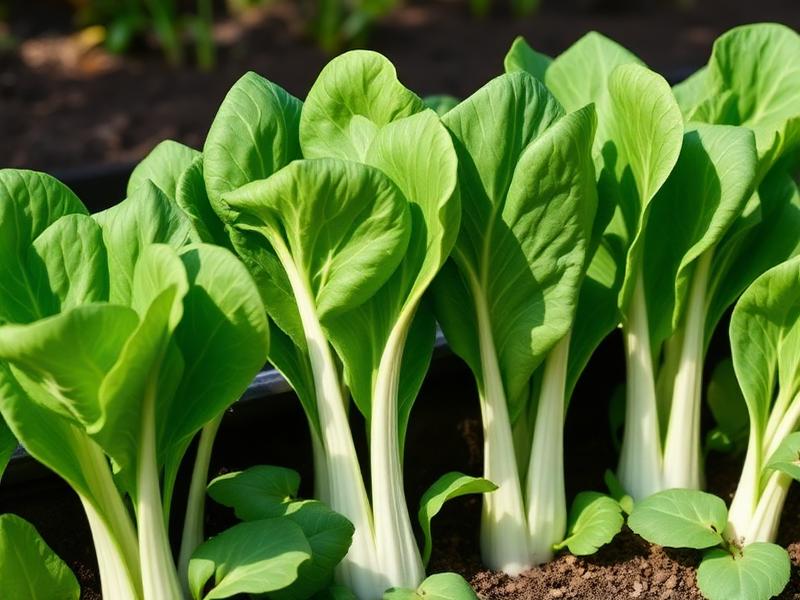
Bok Choy
Crisp Asian brassica ready in 6 weeks. Bolts in heat, plant cool seasons.
Read guide
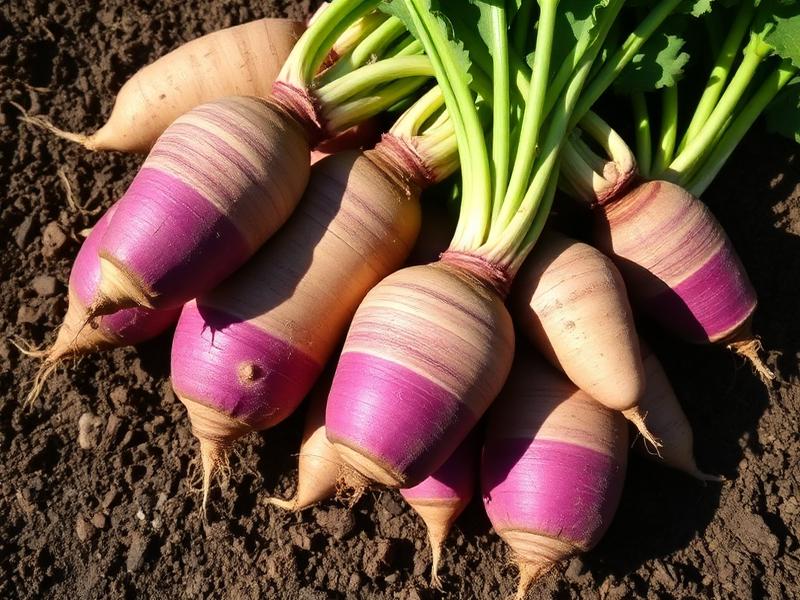
Rutabaga
Cold-hardy root crop, sweeter than turnip. Long season fall keeper.
Read guide
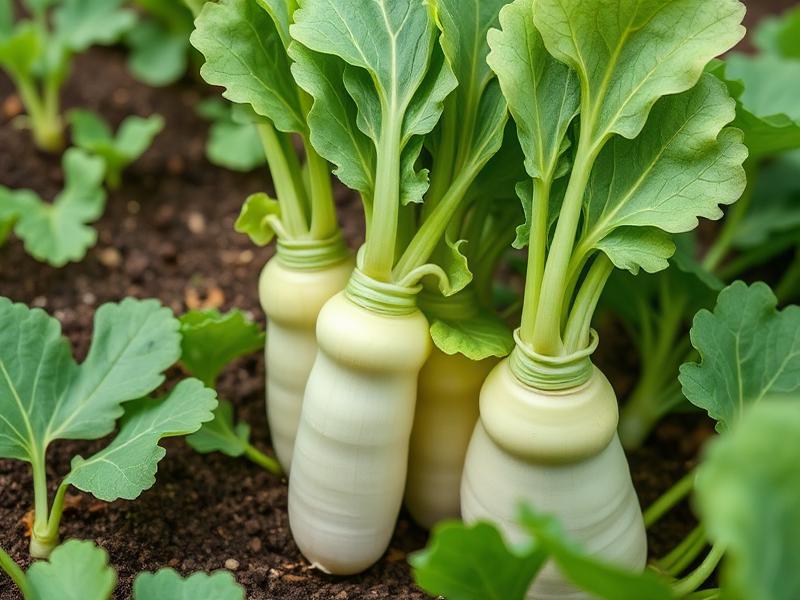
Kohlrabi
Crunchy, sweet stem bulb ready in 8 weeks. Cool season cabbage cousin.
Read guide
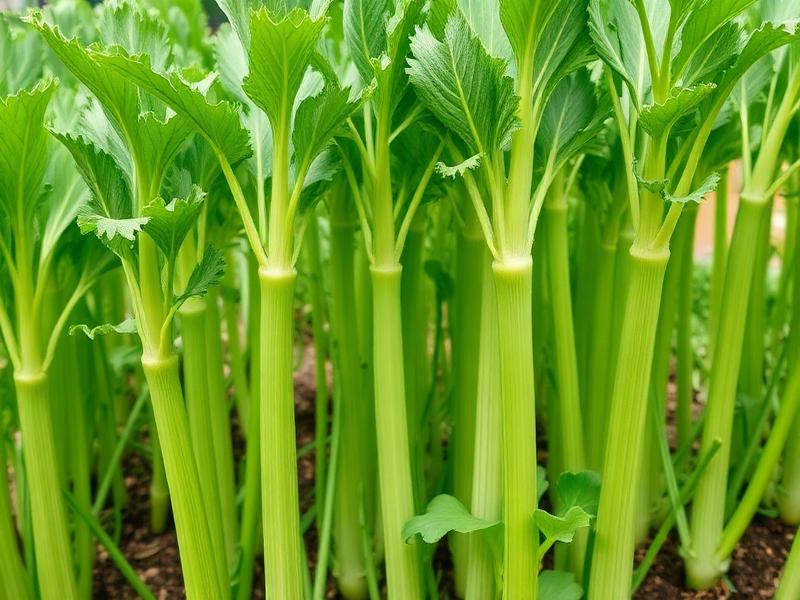
Celery
Patience crop, 4 to 5 months of cool weather. Worth it for fresh stalks.
Read guide
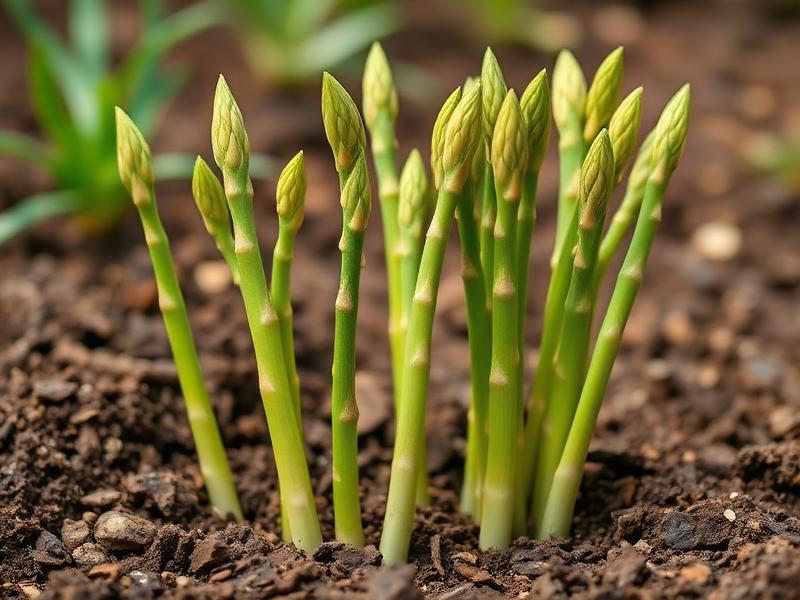
Asparagus
Asparagus officinalis
Perennial spring crop. Plant crowns once, harvest spears every spring for decades.
Read guide
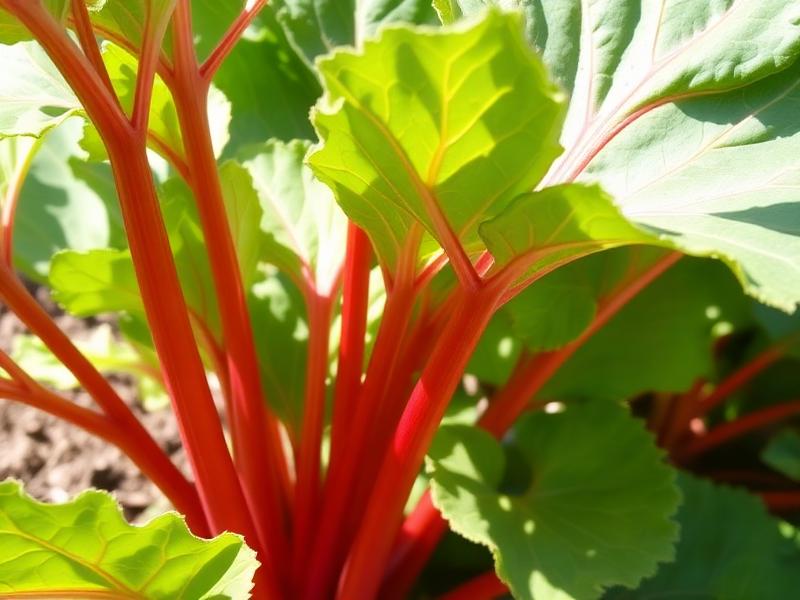
Rhubarb
Cold-hardy perennial. Tart red stalks for pies; leaves are toxic and never eaten.
Read guide
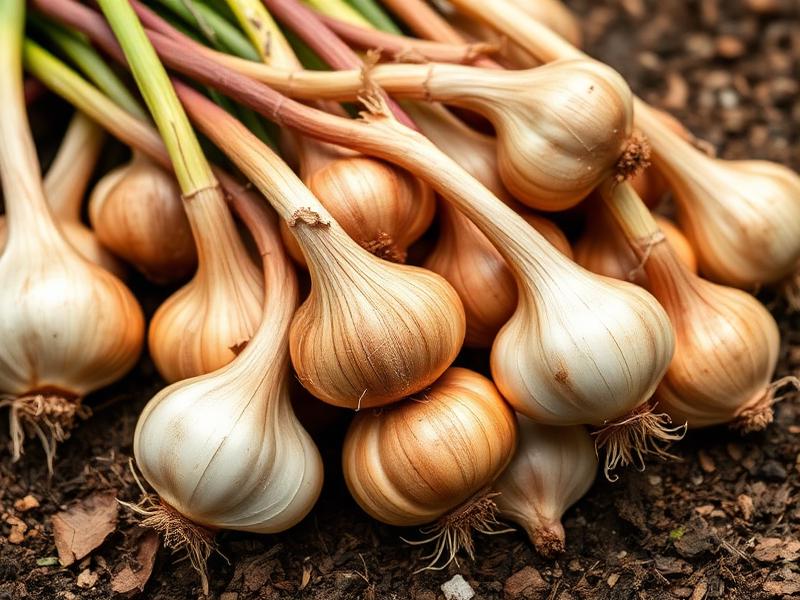
Shallot
Mild, sweet onion relative. Plant sets in fall or early spring.
Read guide
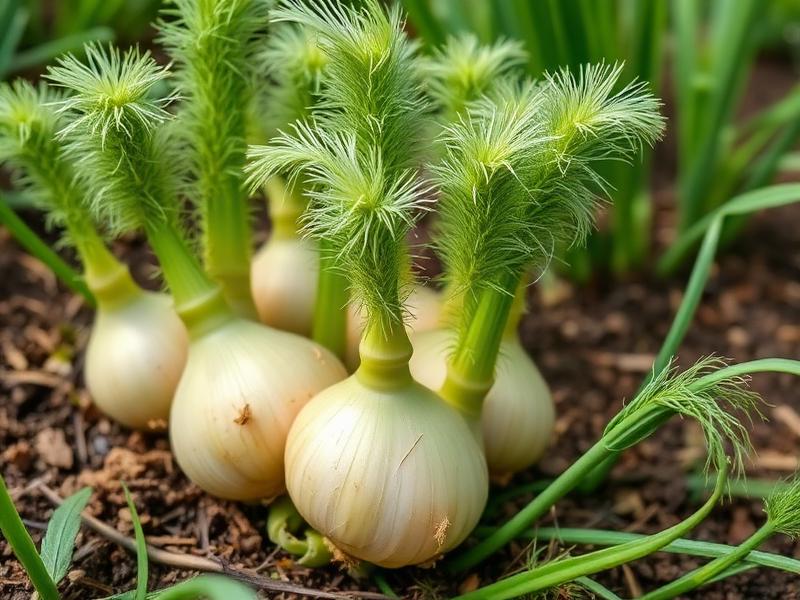
Fennel
Sweet, anise-flavored bulb and feathery fronds. Cool season crop.
Read guide
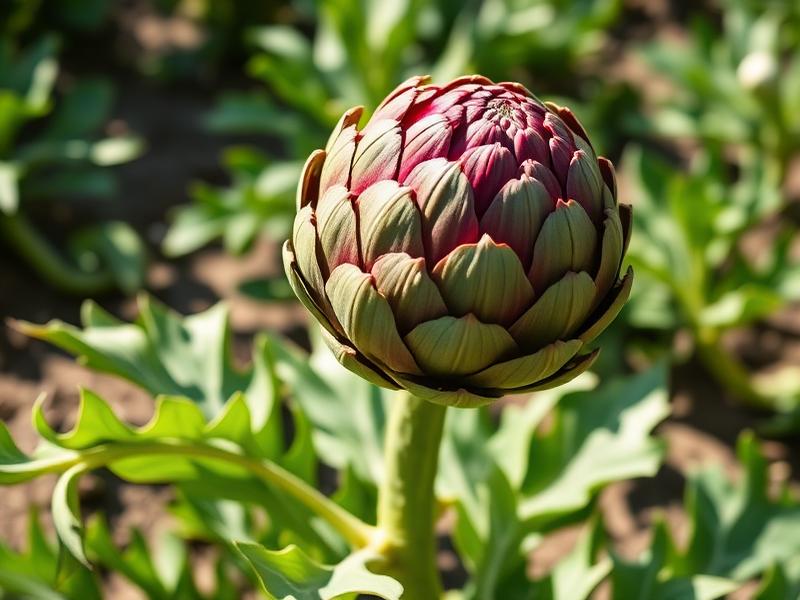
Artichoke
Thistle-family perennial in zones 7+, annual elsewhere. Edible flower buds.
Read guide
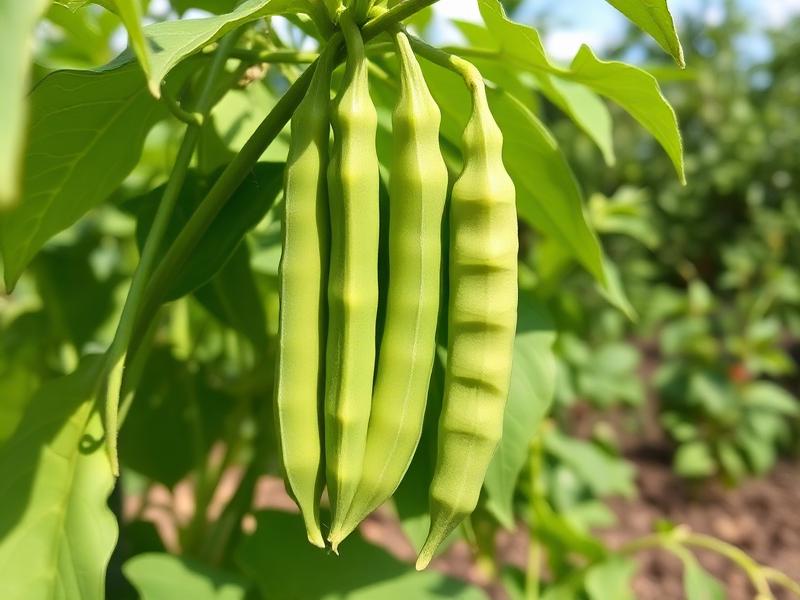
Lima Bean
Buttery summer bean for hot regions. Needs warm soil to germinate.
Read guide
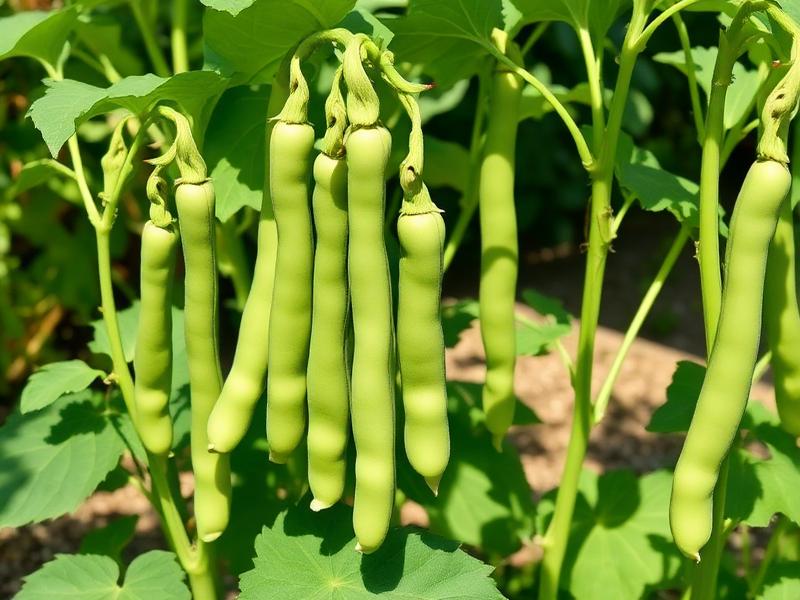
Fava Bean
Vicia faba
Cold-hardy broad bean. Plant fall or earliest spring; nitrogen fixer.
Read guide
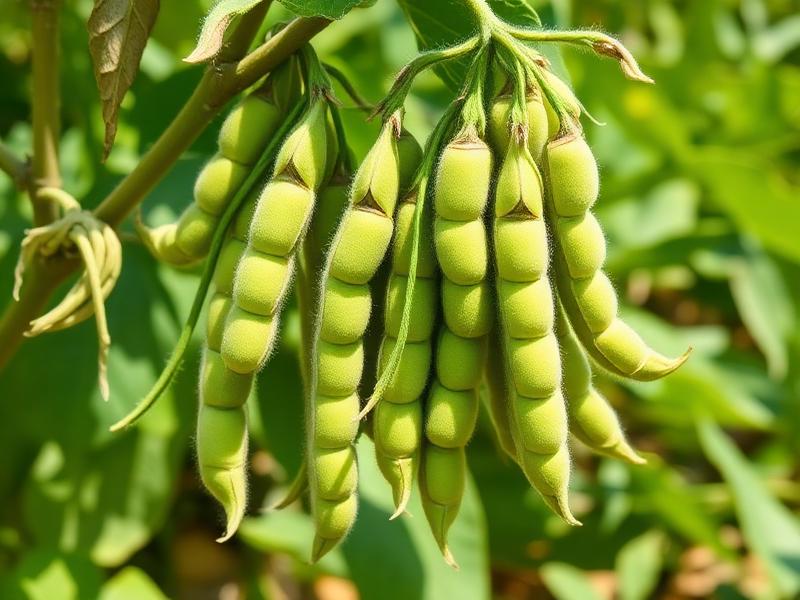
Edamame (Soybean)
Glycine max
Fresh-eating soybean. Pick whole pods when plump for steaming.
Read guide
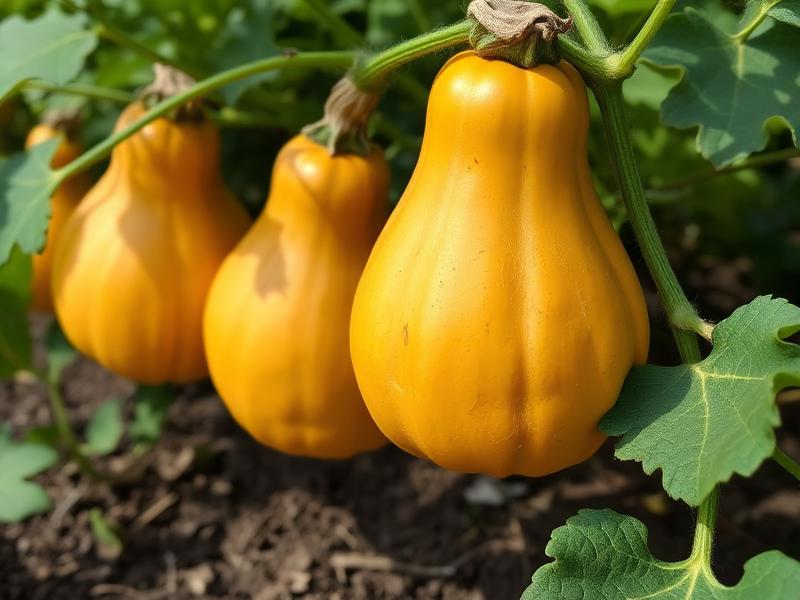
Butternut Squash
Sweet winter squash that stores 4+ months. Long season heat lover.
Read guide
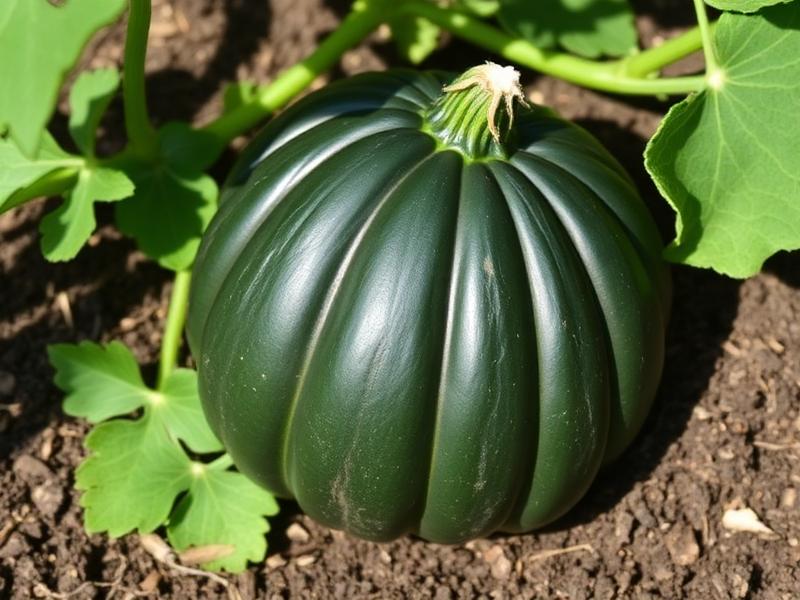
Acorn Squash
Compact winter squash, great for small gardens. Sweet roasted flesh.
Read guide
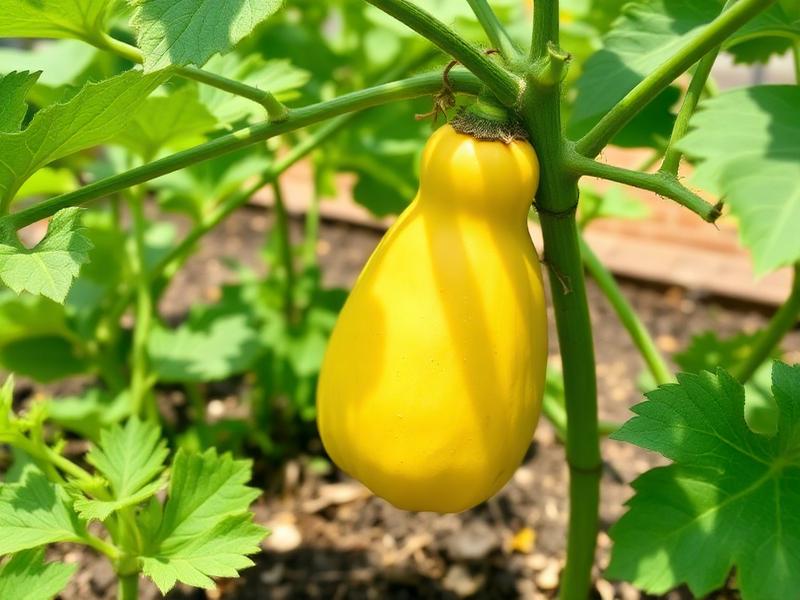
Spaghetti Squash
Flesh shreds into pasta-like strands. Long-storing winter squash.
Read guide
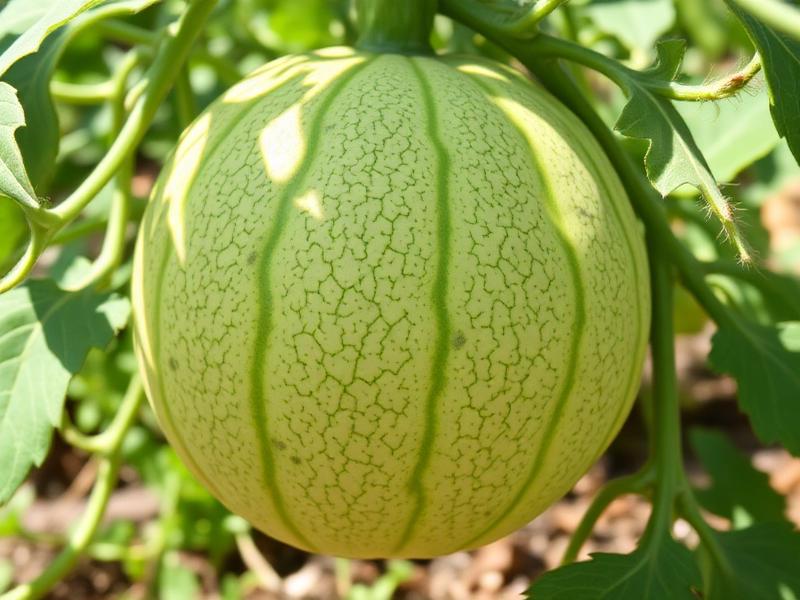
Cantaloupe
Aromatic muskmelon needing heat and space. Rich, sweet flesh.
Read guide
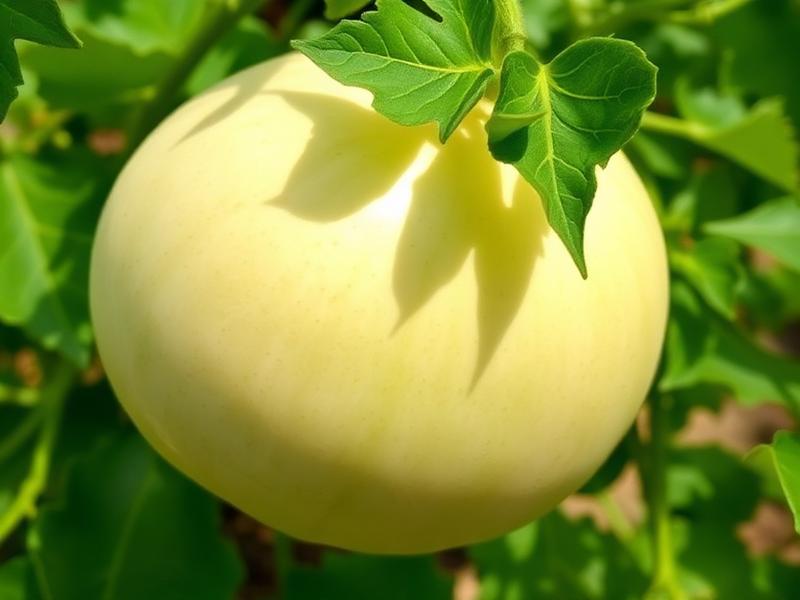
Honeydew
Smooth-skinned sweet melon. Longer season than cantaloupe.
Read guide
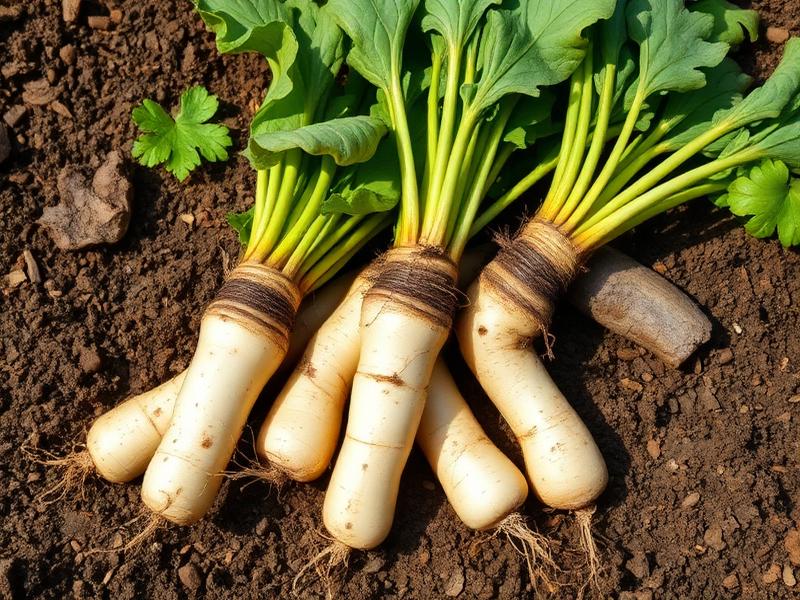
Horseradish
Aggressive perennial root for hot condiment. Plant where it can spread.
Read guide
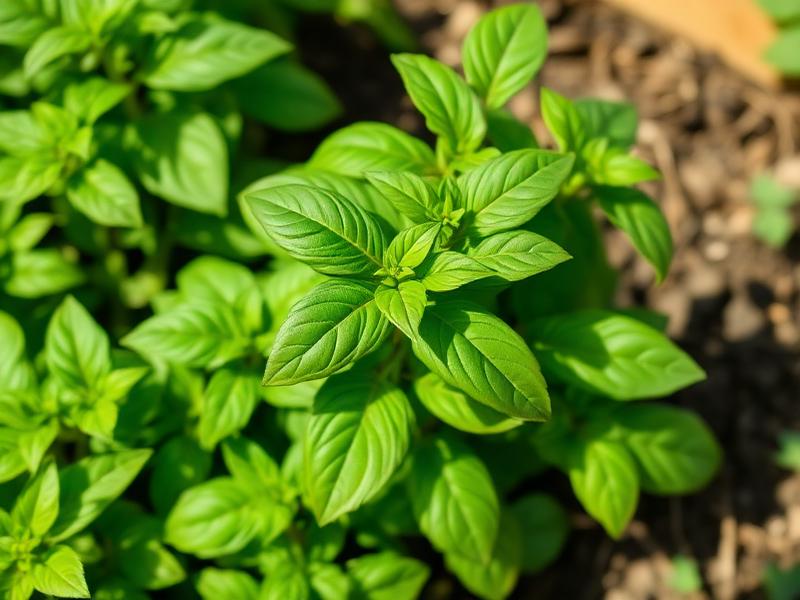
Basil
Ocimum basilicum
Tender summer herb. Pinch flowers to keep producing leaves.
Read guide
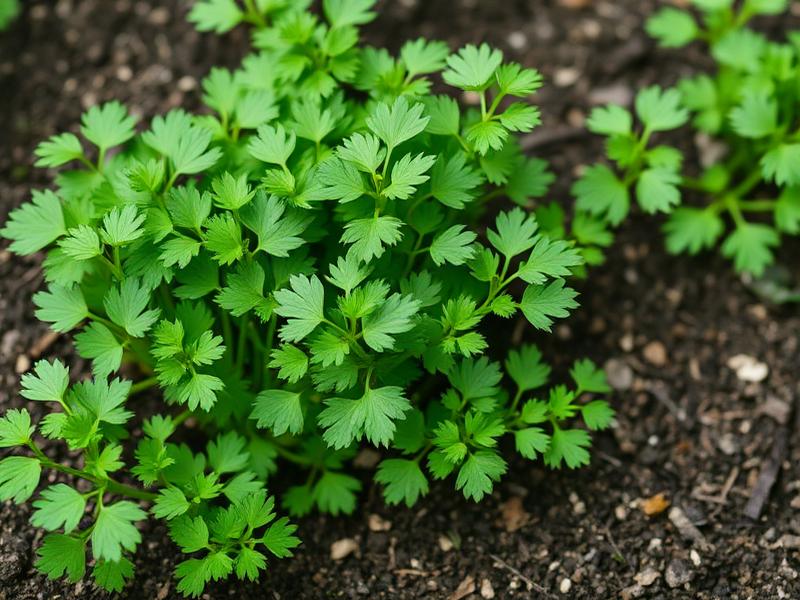
Cilantro
Coriandrum sativum
Cool season herb that bolts in heat. Leaves are cilantro, seeds are coriander.
Read guide
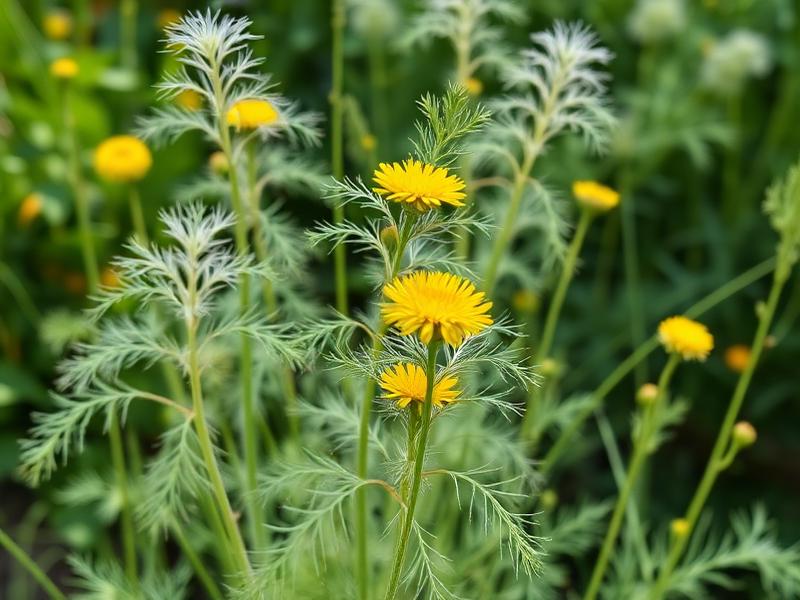
Dill
Anethum graveolens
Feathery herb for pickling and salads. Self-sows readily once established.
Read guide
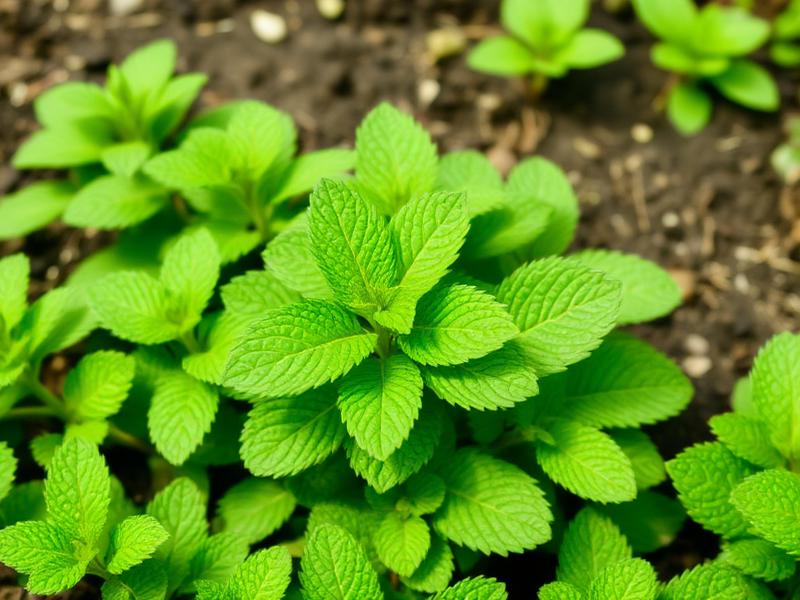
Mint
Mentha spp.
Aggressive perennial herb. Always plant in containers or it takes over.
Read guide
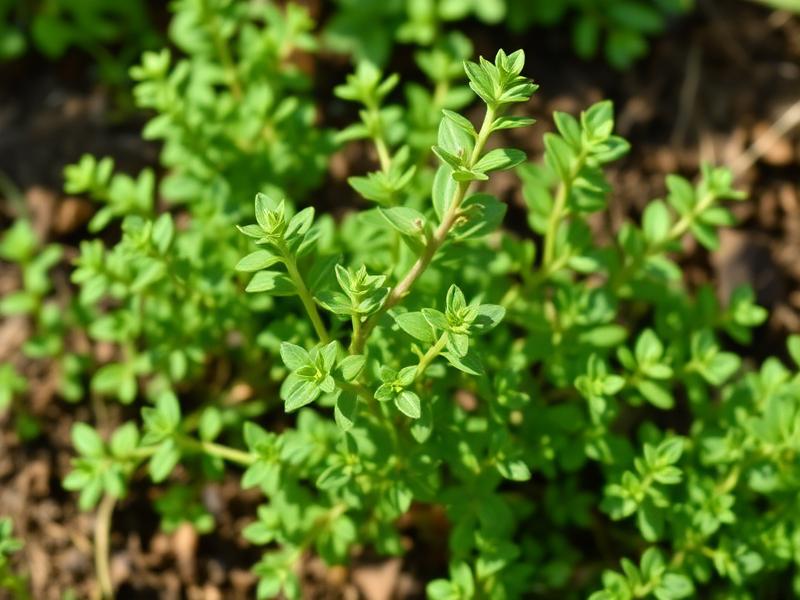
Oregano
Origanum vulgare
Hardy Mediterranean perennial. Best flavor before flowering.
Read guide
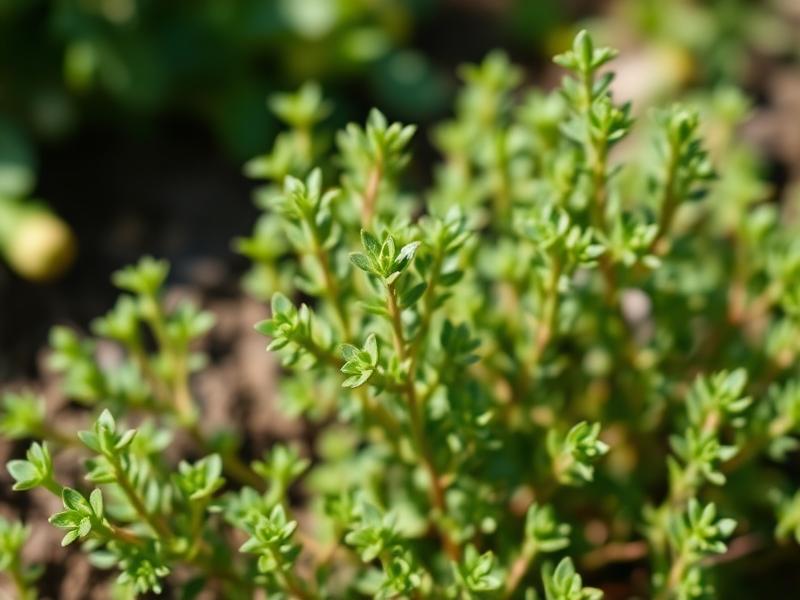
Thyme
Thymus vulgaris
Low-growing perennial herb. Drought tolerant once established.
Read guide
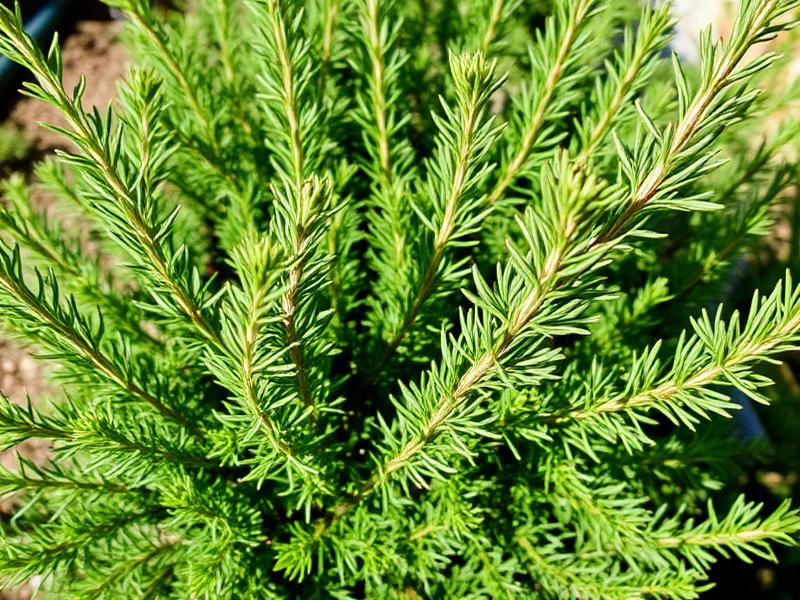
Rosemary
Salvia rosmarinus
Woody Mediterranean shrub. Hardy to zone 7, grow in pots in cold zones.
Read guide
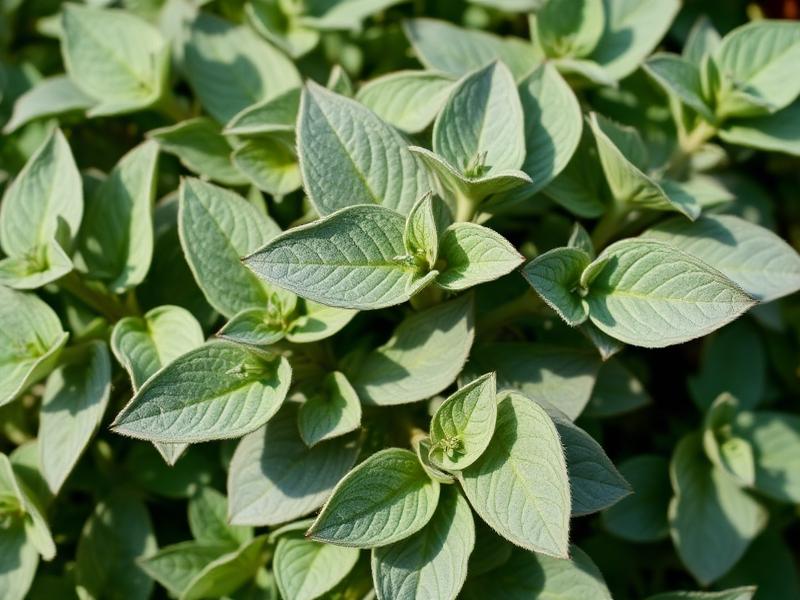
Sage
Salvia officinalis
Hardy gray-leaf perennial herb. Classic with poultry and squash.
Read guide
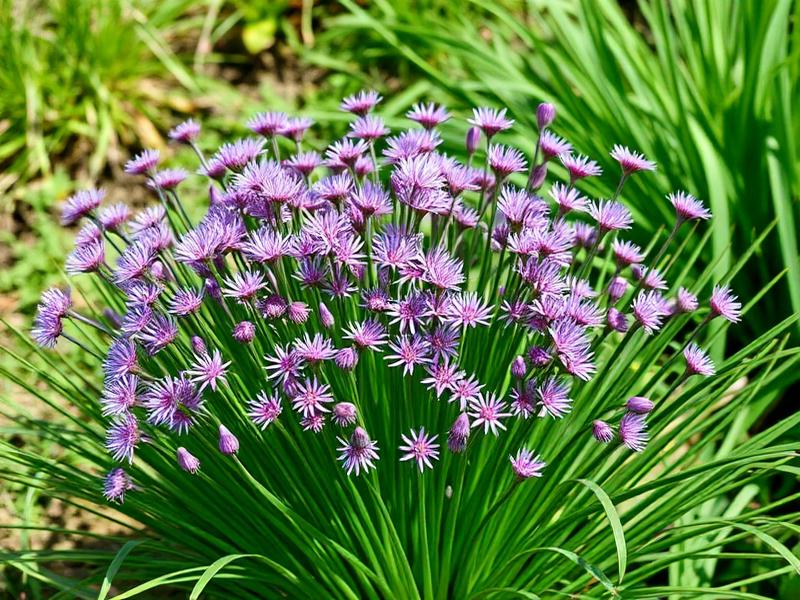
Chives
Allium schoenoprasum
Easy perennial onion-flavored herb. Pretty purple flowers attract pollinators.
Read guide
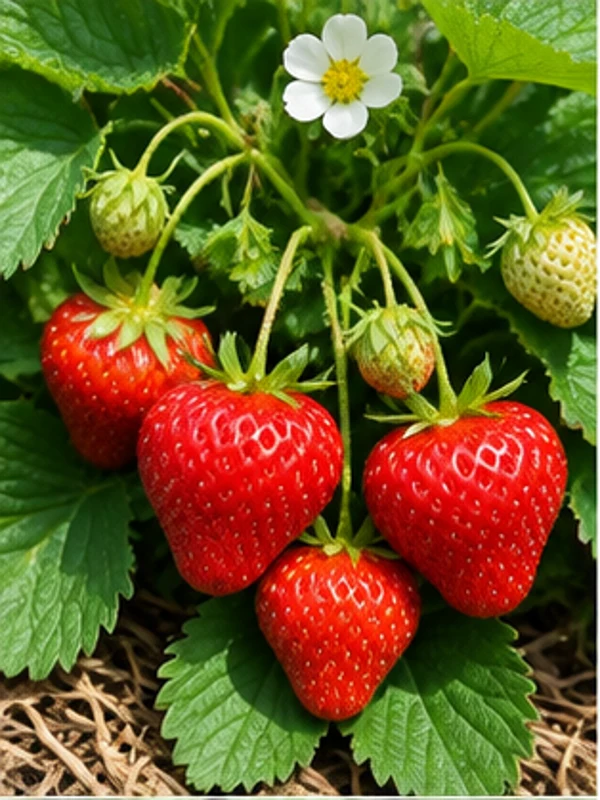
Strawberry
Fragaria × ananassa
Grow strawberries from healthy runners or nursery plants. Short-day, day-neutral and everbearing cultivars have different climate and cropping requirements.
Read guide
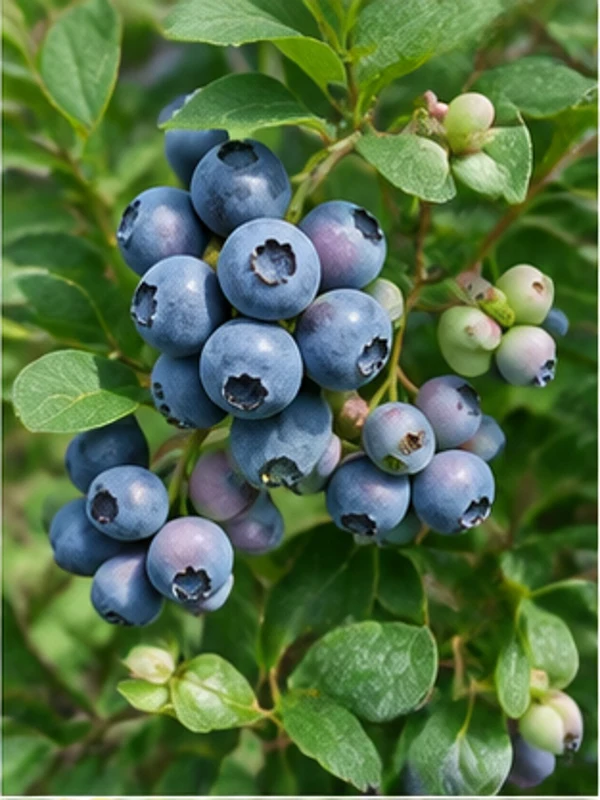
Blueberry
Vaccinium spp. (multi-species overview)
Blueberries need acidic soil and a cultivar matched to local winter chilling. Northern highbush, southern highbush and rabbiteye types are not interchangeable.
Read guide
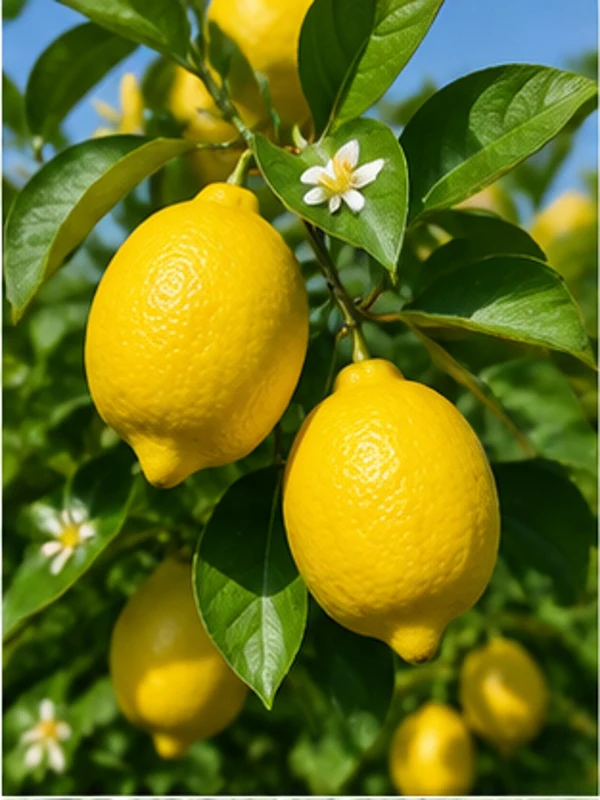
Lemon
Citrus × limon
Lemons suit mild winters and sunny, sheltered sites. Use grafted nursery plants, and grow in movable containers where winters are cold.
Read guide
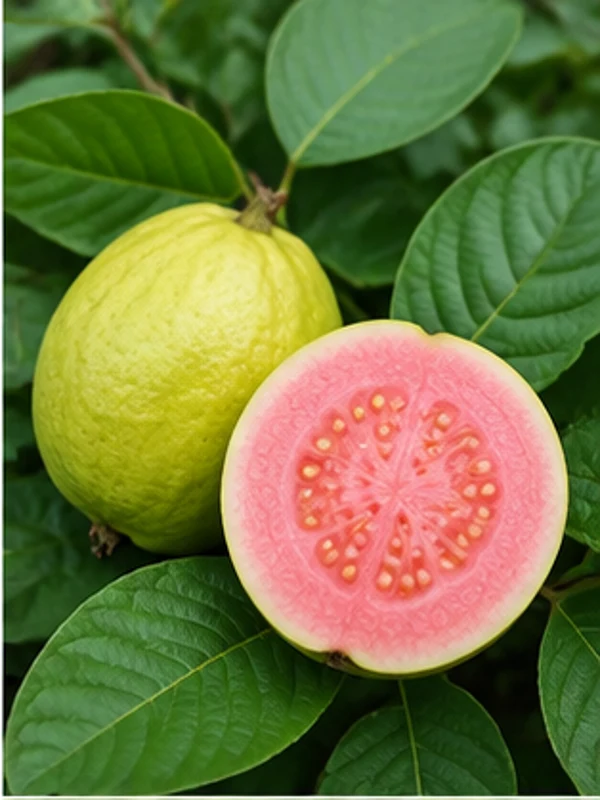
Guava
Psidium guajava
Guava is a tropical and subtropical fruit tree. Named, vegetatively propagated cultivars give more predictable fruit than seedlings.
Read guide
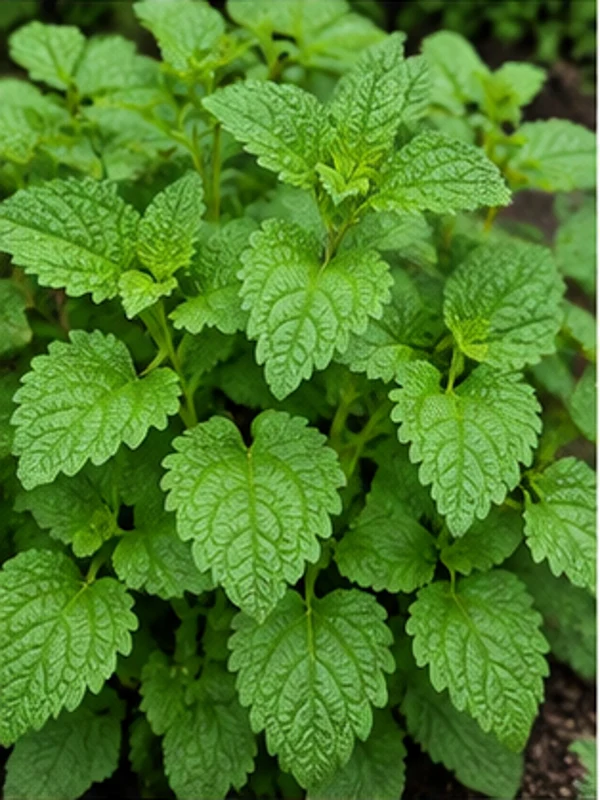
Lemon balm
Melissa officinalis
A leafy perennial for tea and fresh culinary use. It spreads and self-seeds, so containers and timely pruning help keep it contained.
Read guide
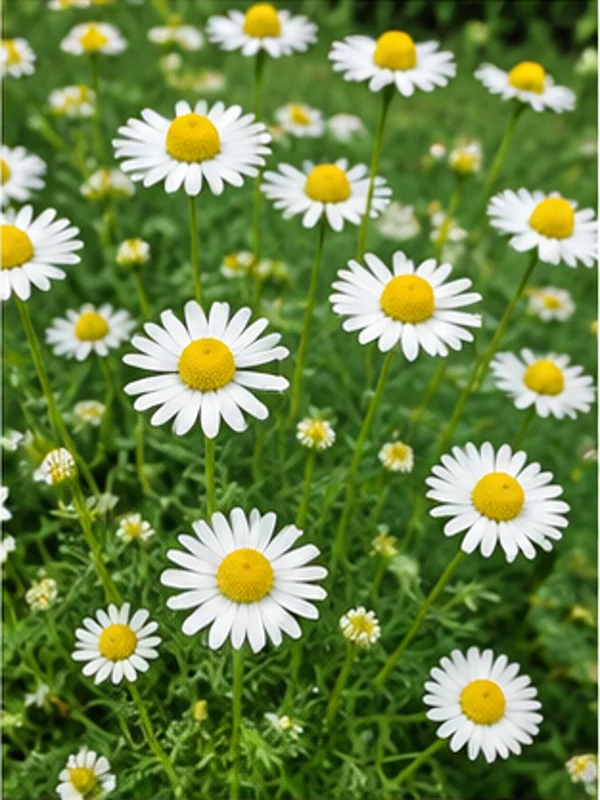
German chamomile
Matricaria chamomilla
An annual herb with small white-and-yellow flowers used for tea. German chamomile differs from perennial Roman chamomile.
Read guide
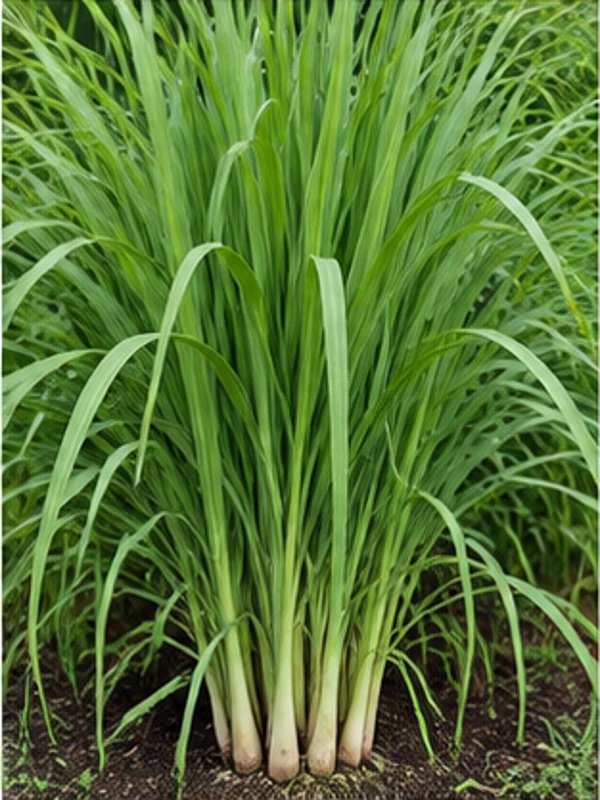
Lemongrass
Cymbopogon citratus
A clump-forming tropical culinary grass grown for fragrant stalk bases. It needs warmth and can be overwintered indoors in cold climates.
Read guide
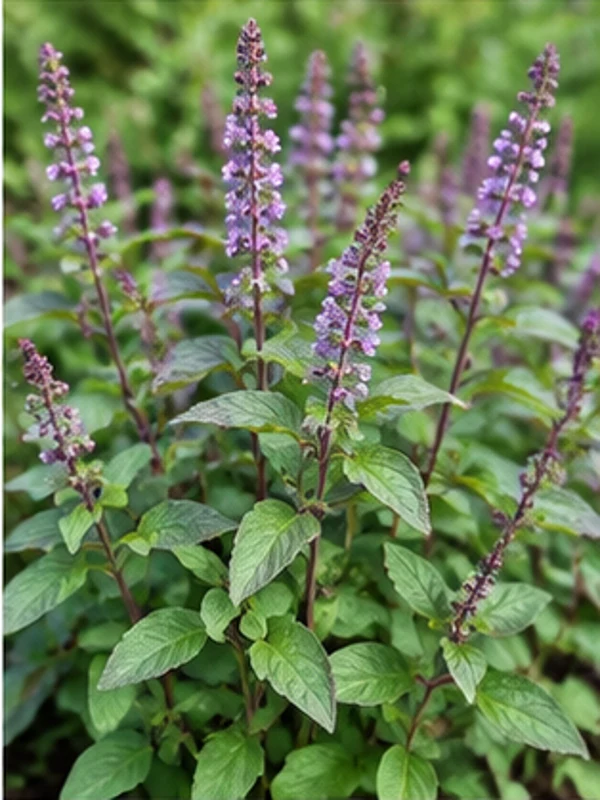
Holy basil (Tulsi)
Ocimum tenuiflorum
Tulsi is a frost-sensitive basil species with fragrant leaves and small flower spikes. Grow as a warm-season annual where winters are cold.
Read guide
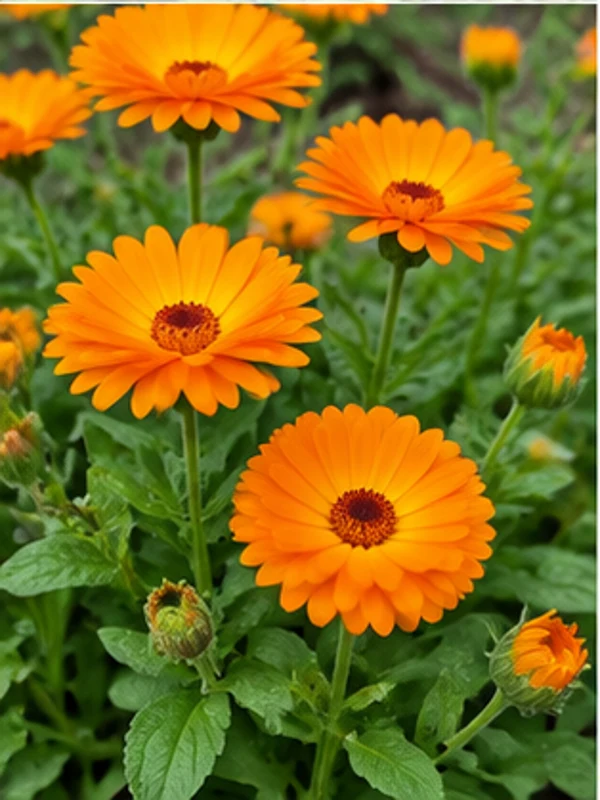
Calendula
Calendula officinalis
Pot marigold has cheerful orange or yellow flowers and prefers mild conditions. It is not the same plant as Tagetes marigolds.
Read guide
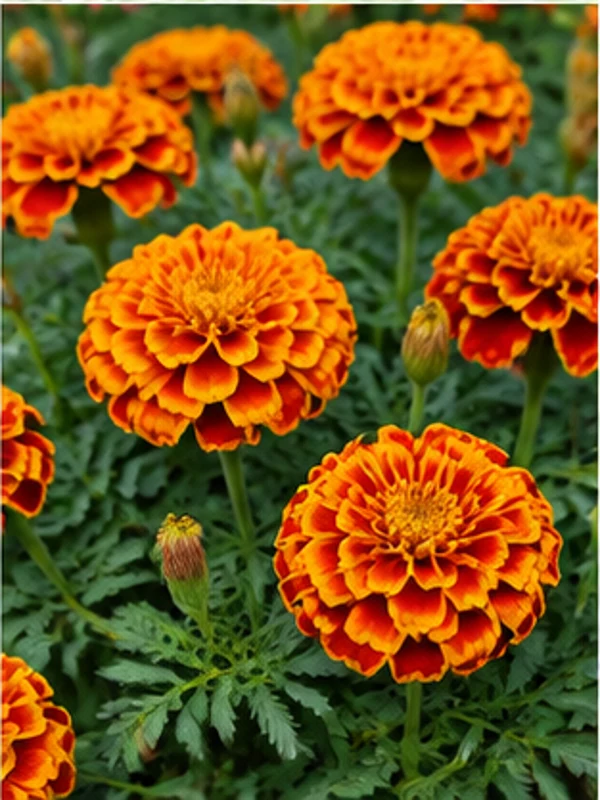
French marigold
Tagetes patula
French marigolds are compact flowering annuals for beds and containers. Their pest effects depend on species and context; they do not repel all garden pests.
Read guide
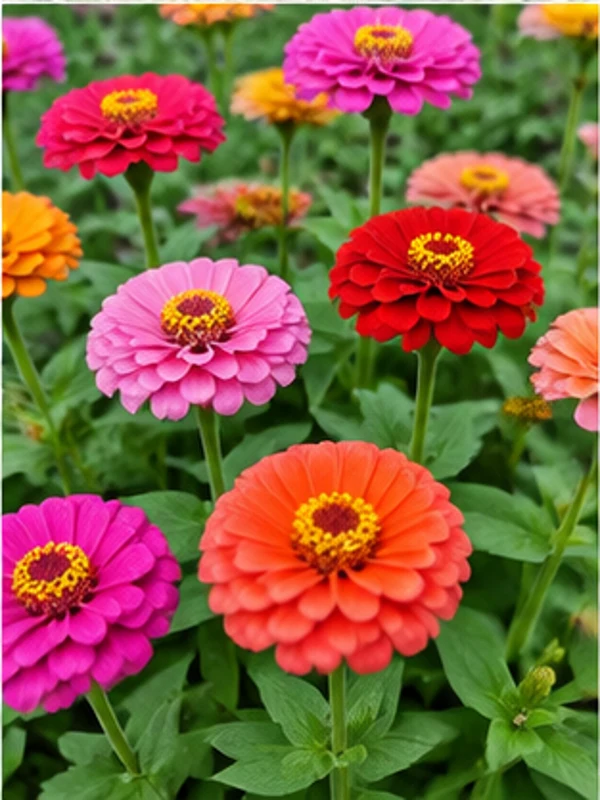
Zinnia
Zinnia elegans
Zinnias flower in warm weather and come in dwarf and tall forms. Good air movement reduces foliar disease in humid climates.
Read guide
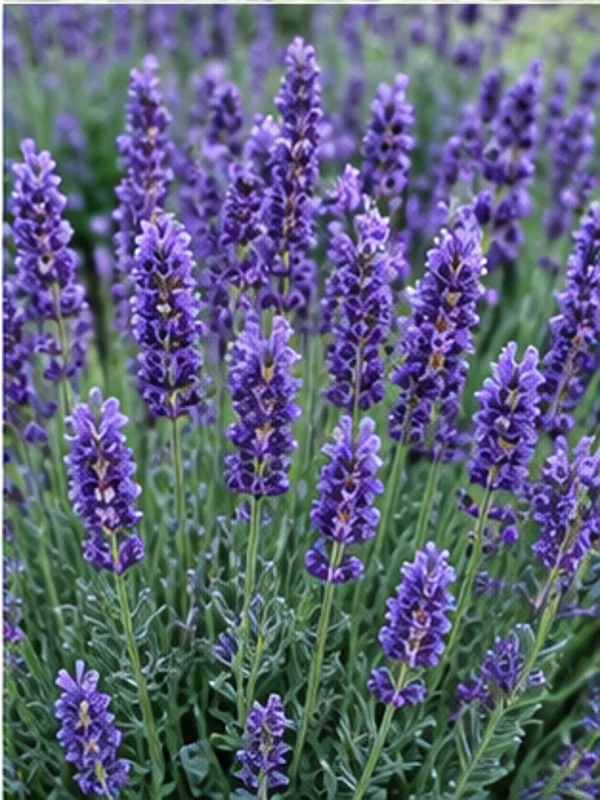
English lavender
Lavandula angustifolia
English lavender prefers sun, excellent drainage and low humidity. It is distinct from French and Spanish lavenders, which have different winter tolerances.
Read guide
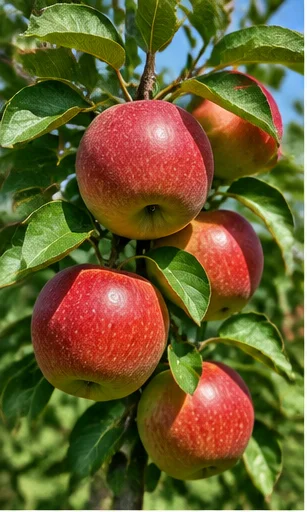
Apple
Malus domestica
A deciduous fruit tree whose rootstock determines eventual size. Select a cultivar with winter chilling needs matched to your district and a compatible flowering pollination partner.
Read guide
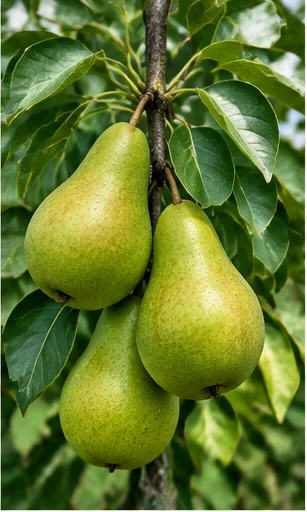
European pear
Pyrus communis
European pears are deciduous fruit trees commonly grafted onto size-controlling rootstocks. Fruit production is generally improved by compatible cultivars flowering together.
Read guide
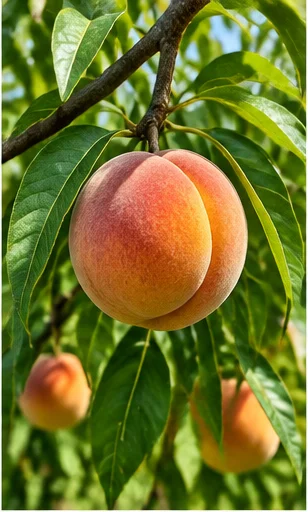
Peach
Prunus persica
Peaches and nectarines are crop forms of the same species. Choose locally suitable chilling requirements and protect blossoms where late frost threatens a crop.
Read guide
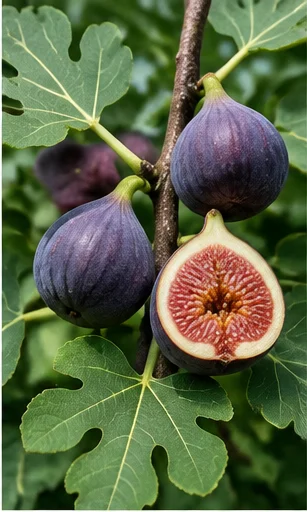
Common fig
Ficus carica
Common fig is a spreading deciduous tree or shrub grown for its sweet fruit. Fruit set and cropping habit vary by cultivar; colder districts need sheltered sites and appropriate varieties.
Read guide
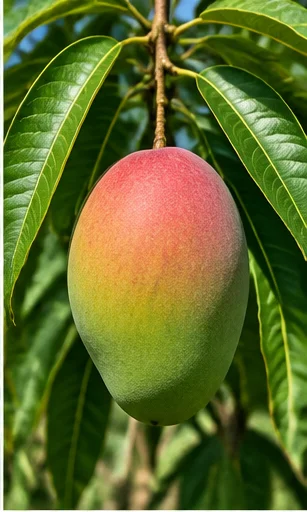
Mango
Mangifera indica
Mango is an evergreen tropical fruit tree with many cultivars. Warm districts can support outdoor trees, but cold, wind, disease pressure and mature canopy size must be considered before planting.
Read guide
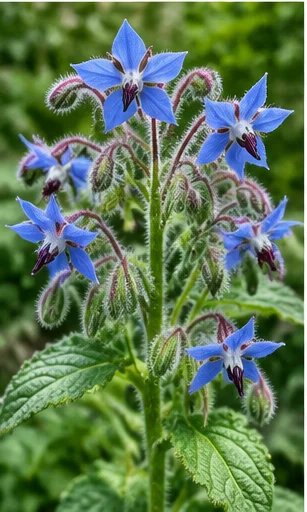
Borage
Borago officinalis
Borage is a bristly annual with blue star-shaped flowers and cucumber-scented leaves. Its flowers support visiting insects, and its freely self-seeding habit needs management.
Read guide
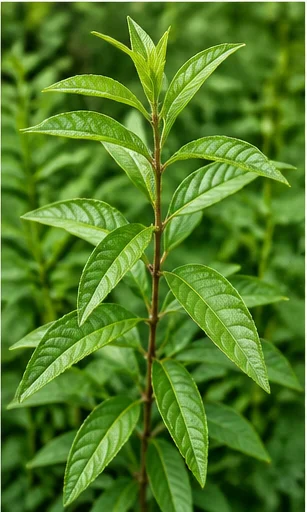
Lemon verbena
Aloysia citriodora
Lemon verbena is a fragrant woody shrub grown for its narrow leaves. A sheltered site or movable container is useful where winter cold threatens the plant.
Read guide
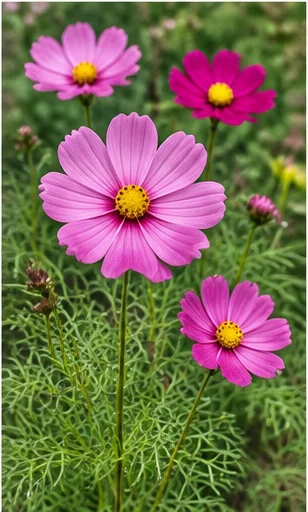
Cosmos
Cosmos bipinnatus
Cosmos is an annual with fine divided foliage and daisy-like flowers. Tall cultivars provide cut stems but may need support in windy gardens.
Read guide
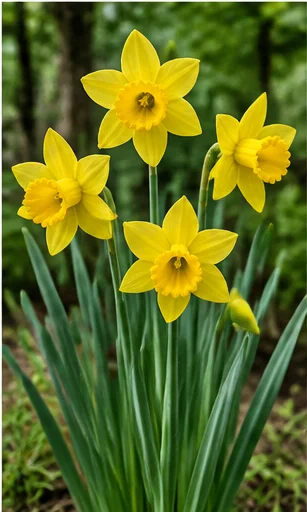
Wild daffodil
Narcissus pseudonarcissus
Wild daffodil is a perennial bulb with yellow spring flowers. It suits naturalised borders in appropriate temperate conditions and is distinct from the many named garden daffodil cultivars.
Read guide
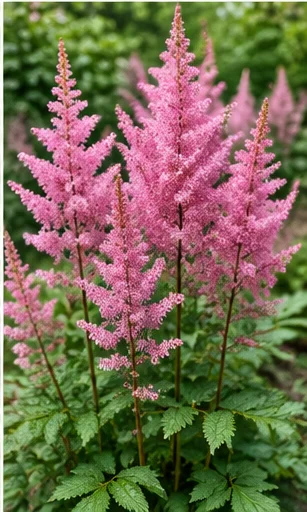
Japanese astilbe
Astilbe japonica
Japanese astilbe forms clumps of fern-like leaves and feathery flower plumes. Cooler shaded gardens with reliable soil moisture suit it better than exposed dry borders.
Read guide
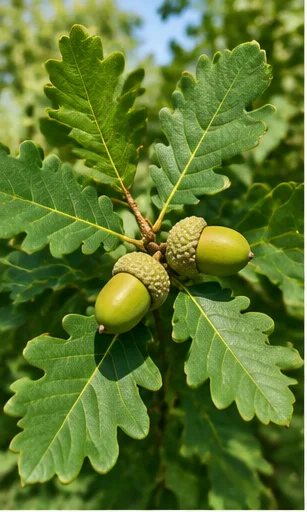
English oak
Quercus robur
English oak is a large, long-lived deciduous tree with lobed leaves and acorns. It needs landscape-scale space rather than a small vegetable bed or permanent patio pot.
Read guide
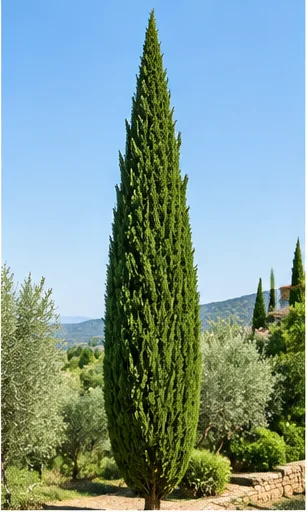
Mediterranean cypress
Cupressus sempervirens
Mediterranean cypress is an evergreen tree often grown in narrow columnar forms. Cultivar shape, eventual height and site drainage matter when using it as a screen.
Read guide
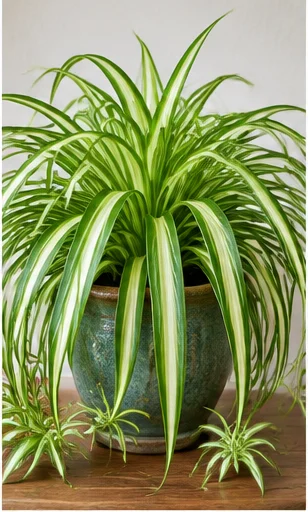
Spider plant
Chlorophytum comosum
Spider plant forms arching leaves and offsets on long flowering stems. Indoor cultivation allows gardeners in cold climates to enjoy it without claiming outdoor winter hardiness.
Read guide
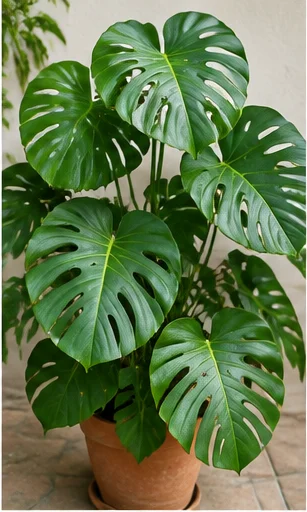
Monstera
Monstera deliciosa
Monstera is a tropical climbing foliage plant with increasingly divided mature leaves. Indoors it needs support and space; climate tags describe outdoor warmth, not a requirement to live in a tropical country.
Read guide
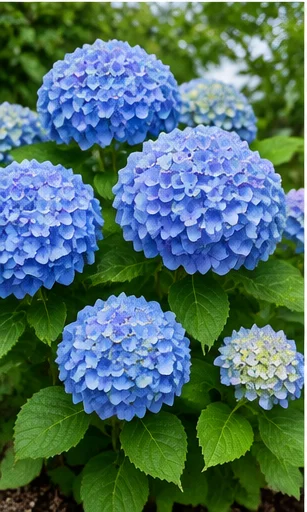
Bigleaf hydrangea
Hydrangea macrophylla
Bigleaf hydrangea is a deciduous flowering shrub with mophead or lacecap forms. Flower colour, winter bud survival and whether it blooms on old or new wood depend on cultivar.
Read guide
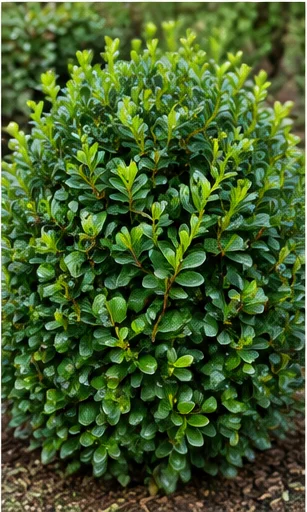
Japanese holly
Ilex crenata
Japanese holly has small evergreen leaves and is used for hedges and structure. Cultivars vary greatly in shape, and local soil acidity is important.
Read guide
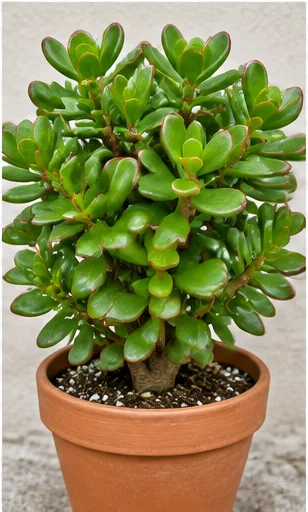
Jade plant
Crassula ovata
Jade plant is a branching succulent with thick oval leaves. In frost-prone countries it is normally grown in pots indoors or moved to protected winter accommodation.
Read guide
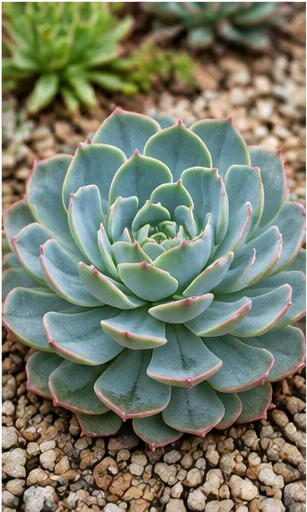
Mexican snowball
Echeveria elegans
Mexican snowball forms pale rosettes and offsets. It needs bright light and free drainage rather than a shaded, persistently wet houseplant regime.
Read guide
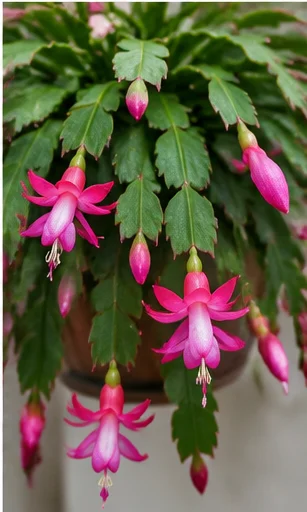
Christmas cactus
Schlumbergera × buckleyi
Christmas cactus is a forest cactus hybrid, not a desert cactus. Its segmented stems and pendant flowers suit indoor containers, with flowering influenced by cool conditions and long uninterrupted nights.
Read guide
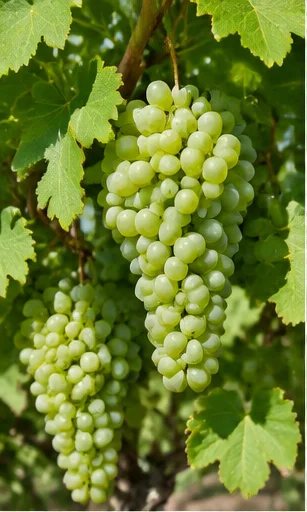
Grape
Vitis vinifera
Grape is a woody climbing fruit vine that needs a durable support and regular training. Cultivar, rootstock, humidity and disease resistance must suit the site.
Read guide
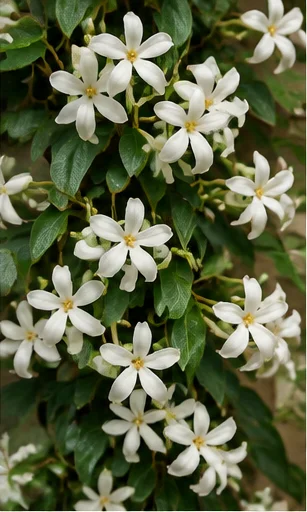
Star jasmine
Trachelospermum jasminoides
Star jasmine is an evergreen woody climber with fragrant white pinwheel flowers. It needs support and a sheltered position at the colder edge of its range.
Read guide
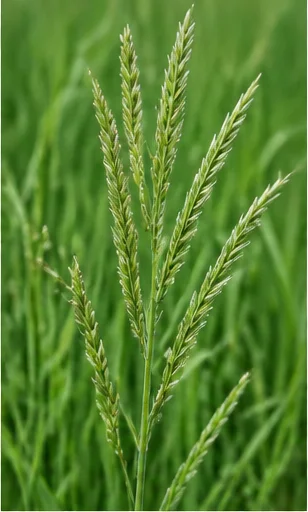
Perennial ryegrass
Lolium perenne
Perennial ryegrass is a cool-season grass used in lawns and some mixtures. Fast establishment does not make it drought-proof or suited to every hot climate.
Read guide
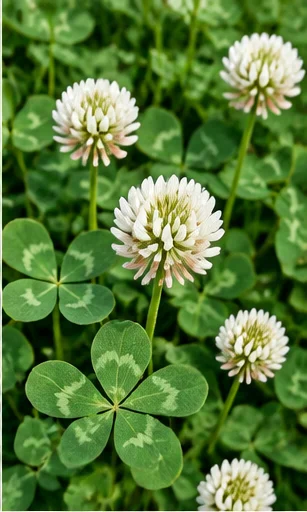
White clover
Trifolium repens
White clover is a spreading perennial legume with white flower heads. It can be used in suitable lawn mixtures but attracts bees and spreads into adjacent planting.
Read guide
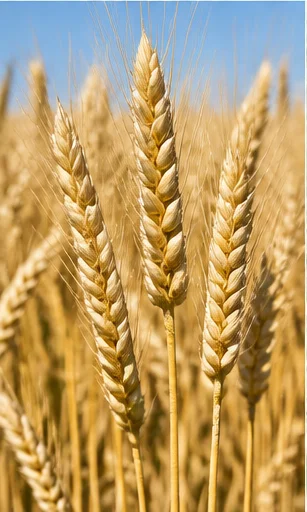
Bread wheat
Triticum aestivum
Bread wheat is an annual cereal with spring and winter crop forms. A small demonstration plot still needs appropriate variety choice, sowing timing and harvest/drying conditions.
Read guide
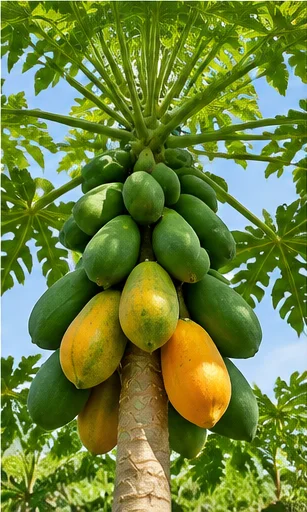
Papaya
Carica papaya
Papaya is a large herbaceous tropical fruit plant, not a woody orchard tree. Fruit production depends on plant sex, cultivar and warm frost-free conditions.
Read guide
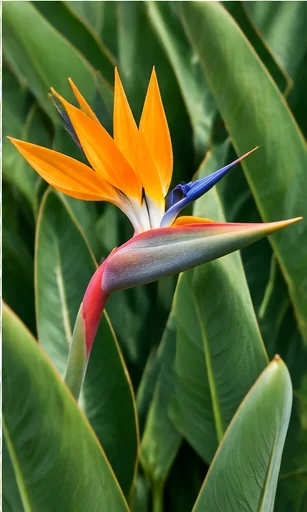
Bird of paradise
Strelitzia reginae
Bird of paradise forms upright leaf clumps and distinctive orange-and-blue flowers. Bright protected indoor growing is possible in cold countries, although flowering indoors is not guaranteed.
Read guide
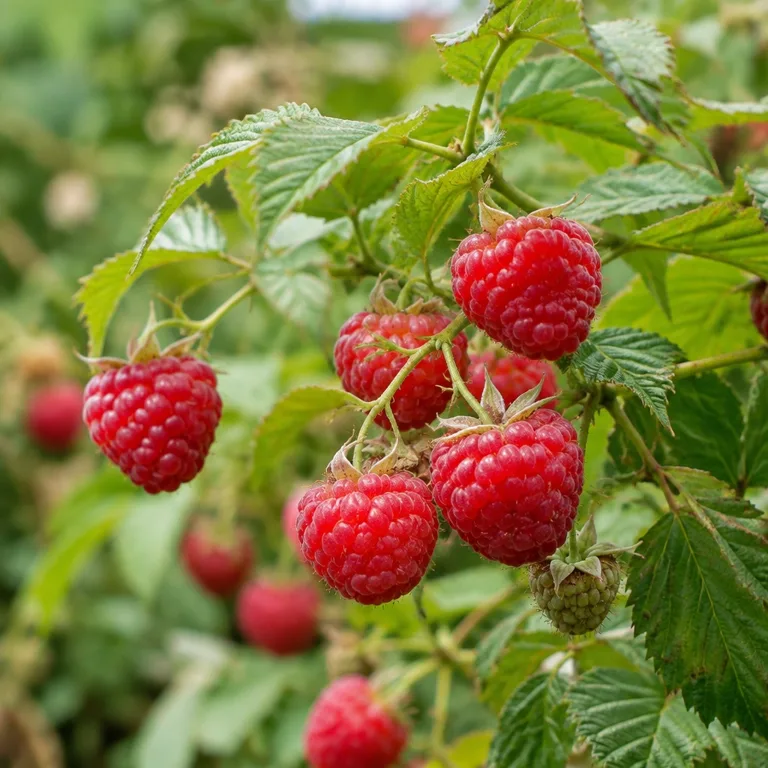
Raspberry
Rubus idaeus
A perennial bramble grown for red aggregate fruits. Summer-bearing and autumn-bearing cultivars have different pruning needs; identify the cultivar before cutting canes.
Read guide
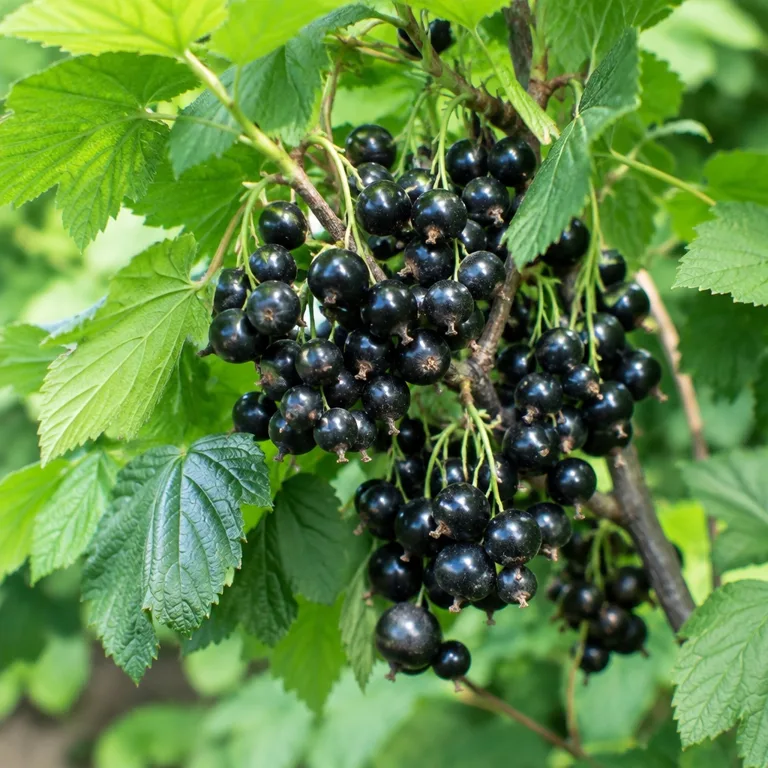
Blackcurrant
Ribes nigrum
A deciduous fruit shrub bearing clusters of dark berries. Choose a locally suitable cultivar, allow room for its bush form and prune to maintain productive growth.
Read guide
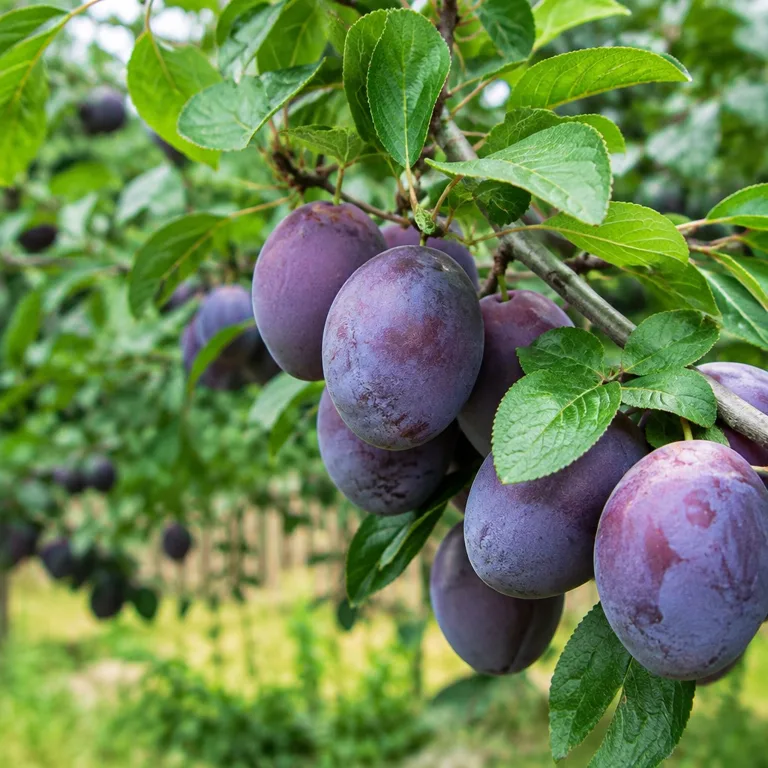
European plum
Prunus domestica
A deciduous fruit tree with white spring flowers and stone fruits. European plums differ from Japanese plum species; rootstock and cultivar determine size and cropping.
Read guide
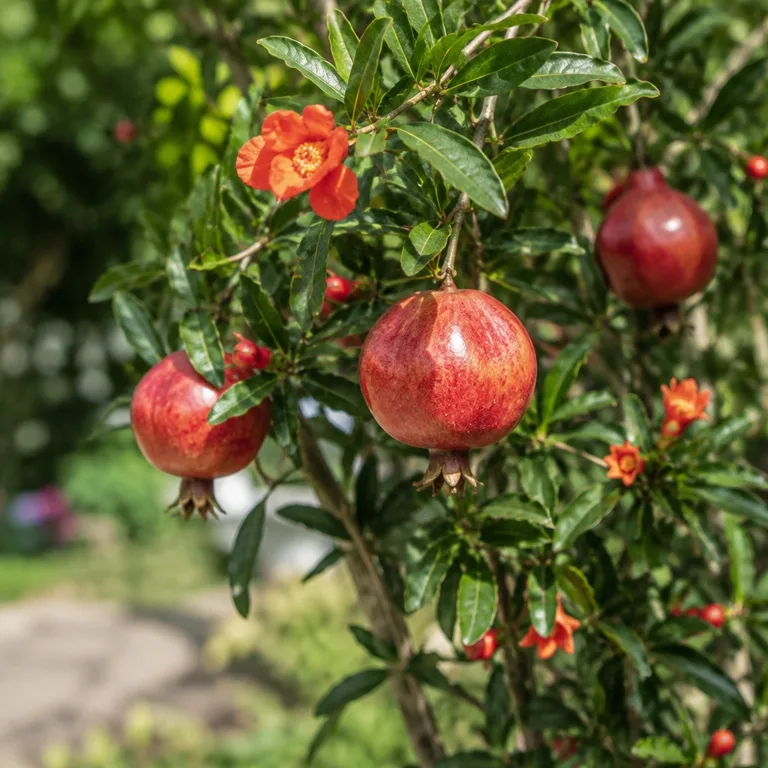
Pomegranate
Punica granatum
A deciduous shrub or small tree bearing fruit with juicy arils. Warm, relatively dry conditions favour cropping, but cold and humid districts can limit fruit production.
Read guide
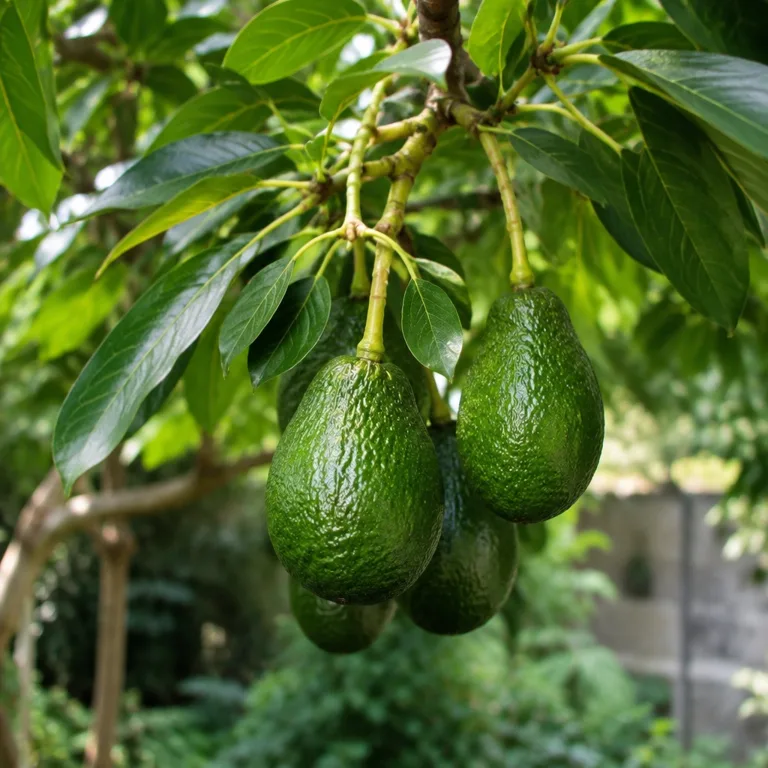
Avocado
Persea americana
An evergreen fruit tree for warm, frost-sheltered gardens. Nursery grafted cultivars are preferable for predictable fruit; a seed-grown indoor plant is not a dependable fruit crop.
Read guide
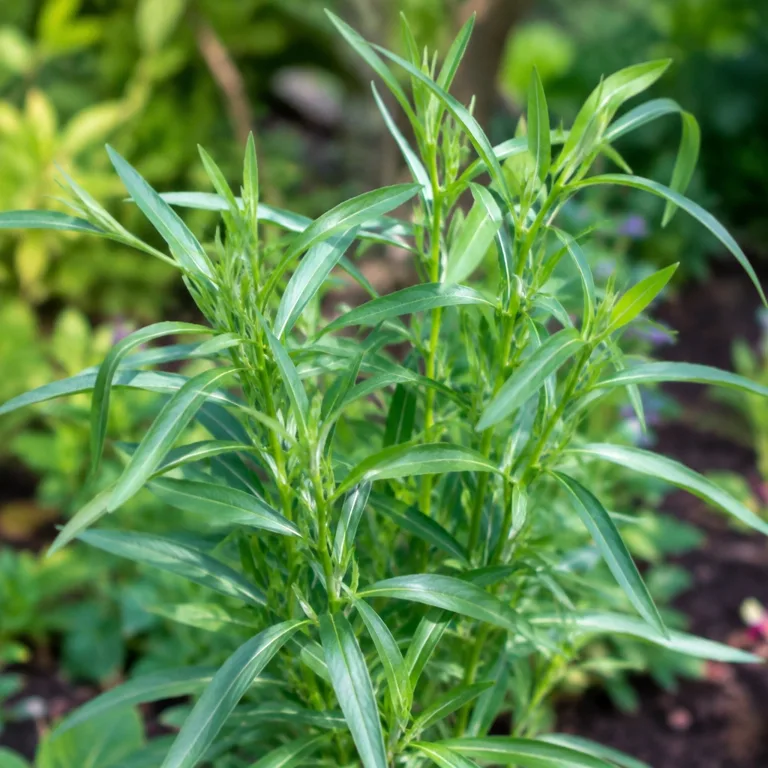
French tarragon
Artemisia dracunculus 'Sativa'
An aromatic culinary form of tarragon. The French cultivar must be distinguished from seed-grown wild or Russian tarragon, whose flavour may be quite different.
Read guide
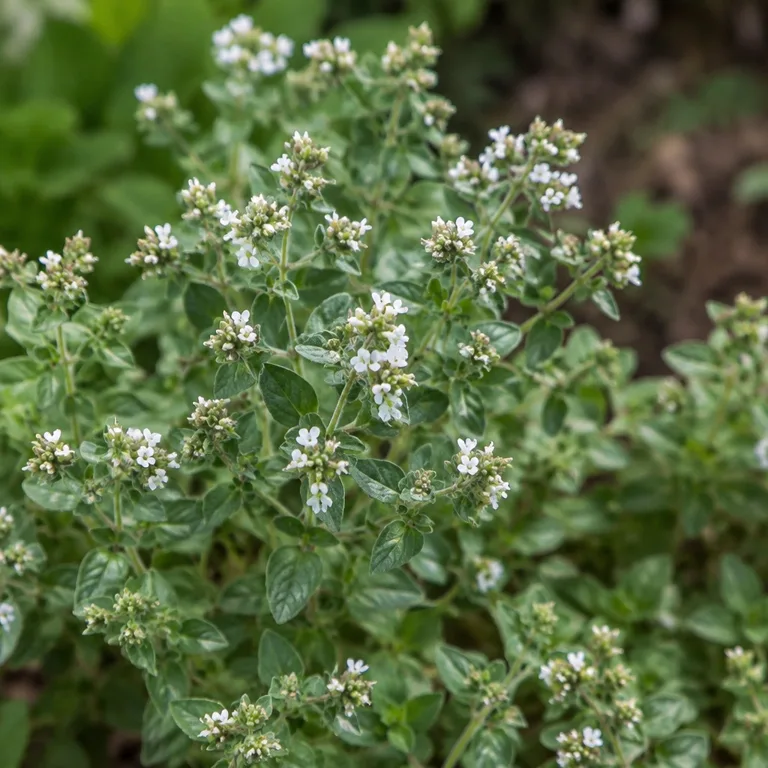
Sweet marjoram
Origanum majorana
A small aromatic herb with soft grey-green leaves used as a culinary seasoning. It is a tender perennial often cultivated as an annual where winters are cold.
Read guide
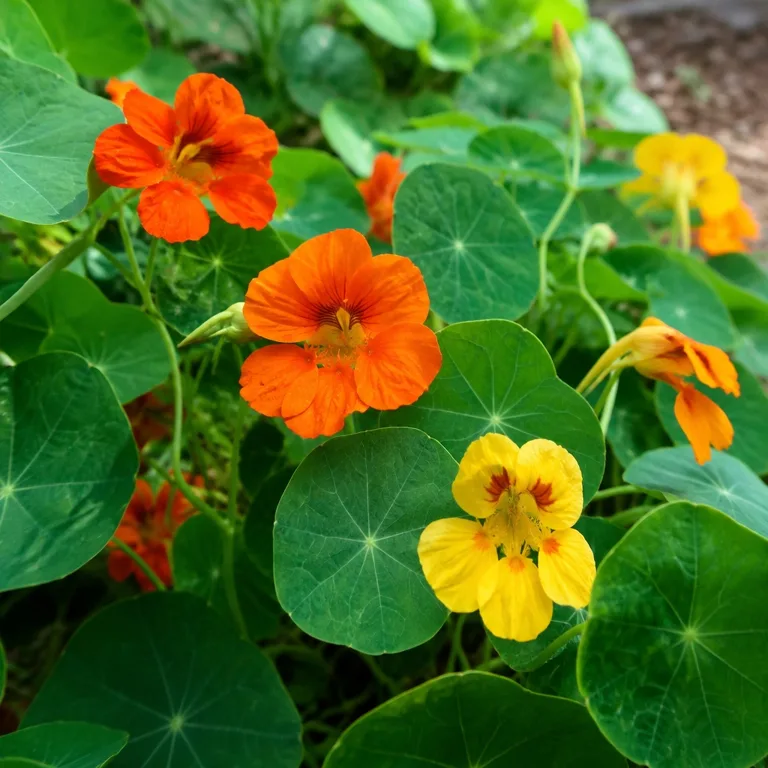
Garden nasturtium
Tropaeolum majus
A warm-season annual with round shield-like leaves and spurred flowers. Compact and climbing cultivars differ greatly in space and support needs.
Read guide
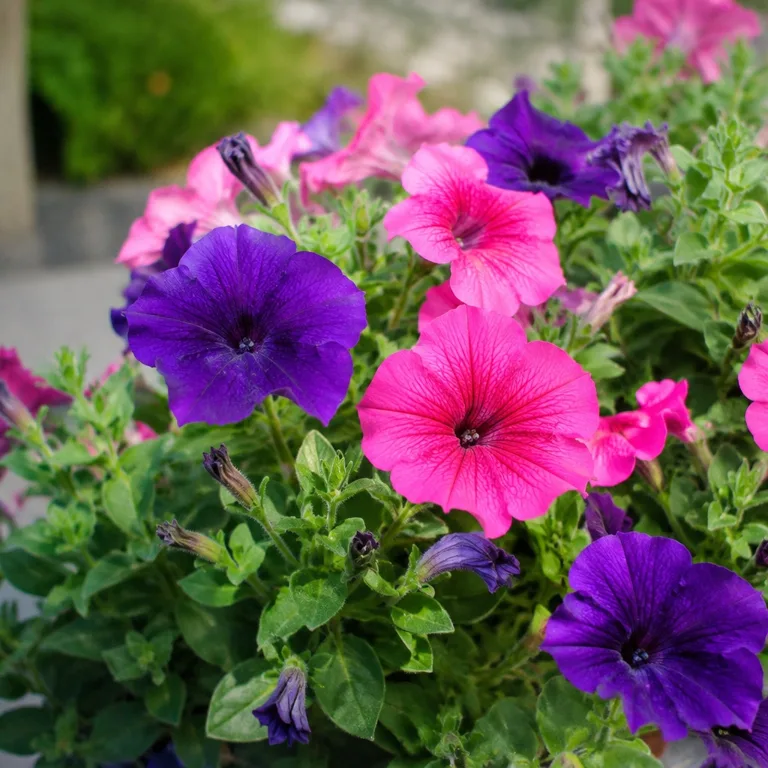
Garden petunia
Petunia × hybrida (garden hybrids)
A tender perennial commonly used as seasonal bedding. Garden hybrids range from upright to trailing forms and vary in flower size, vigour and required space.
Read guide
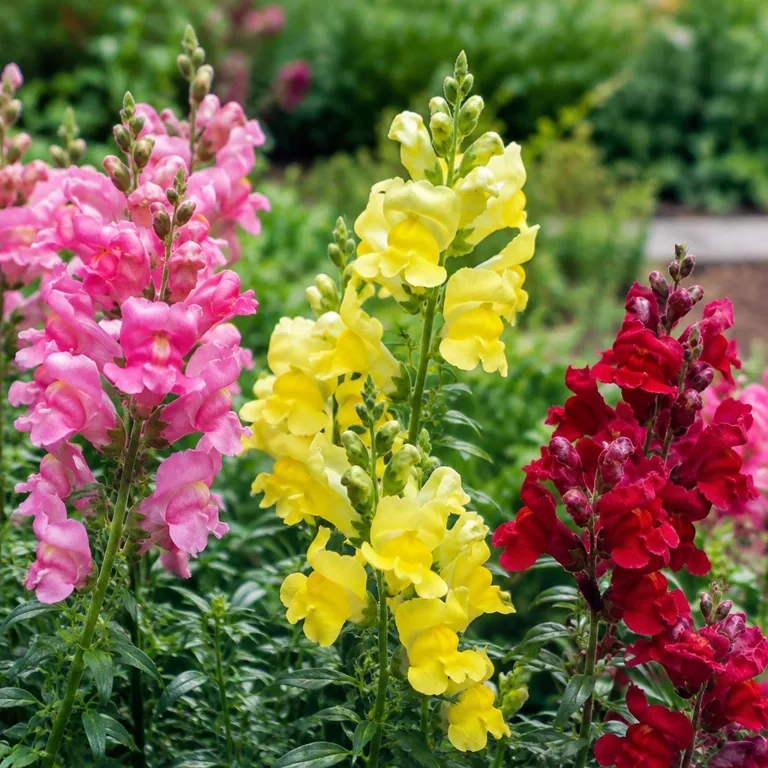
Snapdragon
Antirrhinum majus
A short-lived tender perennial often grown as annual bedding, with upright spikes of distinctive two-lipped flowers. Tall and dwarf cultivars suit different uses.
Read guide
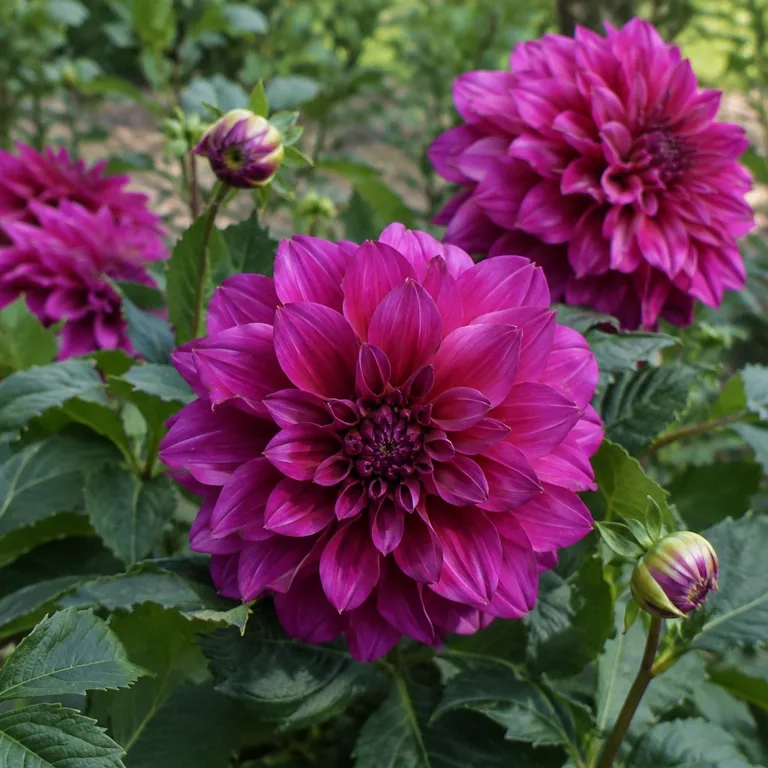
Garden dahlia
Dahlia spp. and garden hybrids
A garden-hybrid overview of tuberous flowering perennials, not a single species profile. Cultivars differ in height, flower form and support requirements.
Read guide
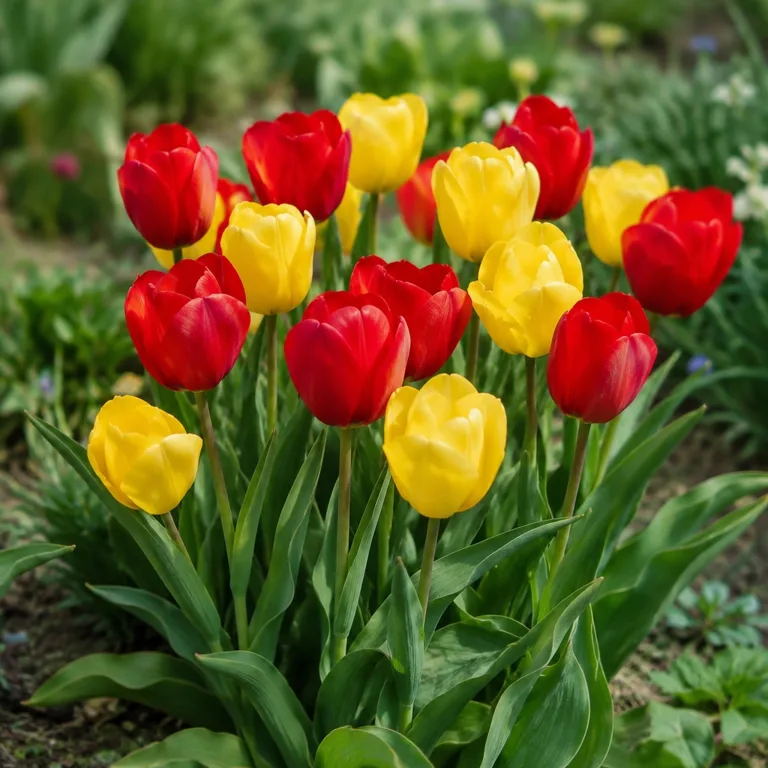
Garden tulip
Tulipa spp. and garden hybrids
A bulb and garden-hybrid overview with spring flowers. Cold-season conditions and cultivar choice govern flowering; some hybrids are replaced annually rather than reliably naturalizing.
Read guide
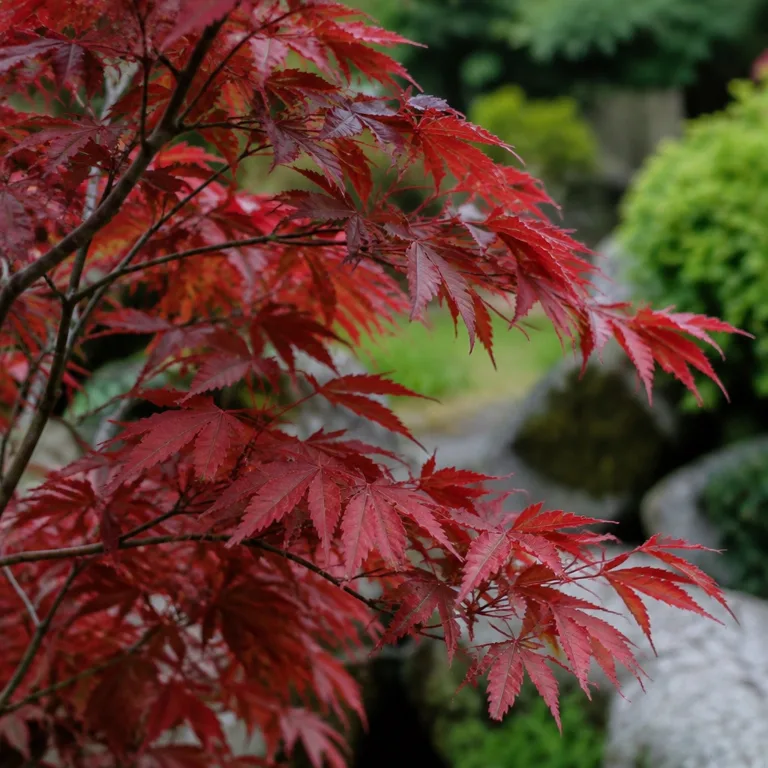
Japanese maple
Acer palmatum
A deciduous ornamental tree with palmate leaves and many upright or weeping cultivars. Mature form and foliage colour vary widely among named selections.
Read guide
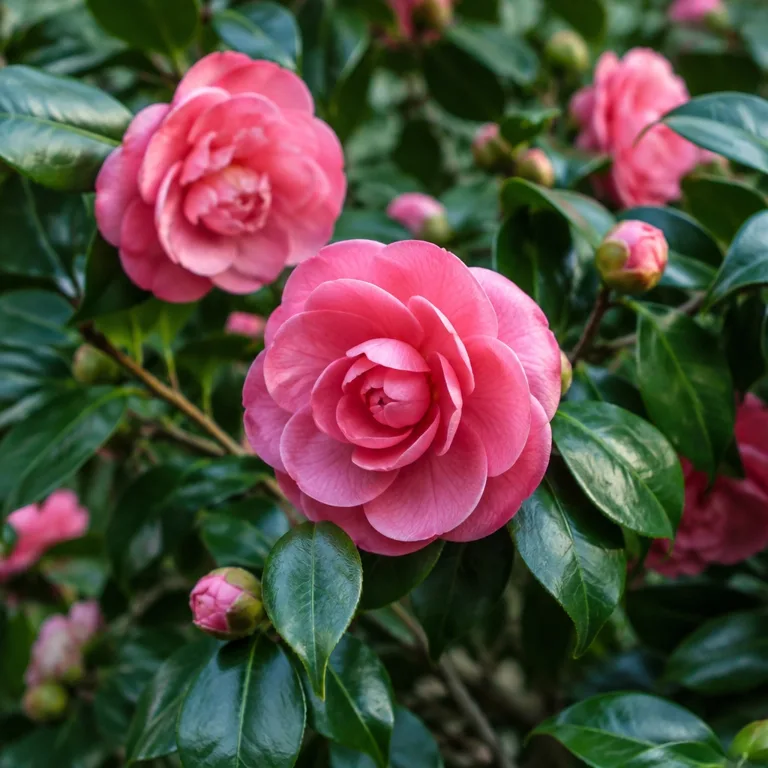
Japanese camellia
Camellia japonica
An evergreen flowering shrub or small tree with glossy foliage. It establishes slowly and benefits from shelter, suitable acidity and dependable soil moisture.
Read guide
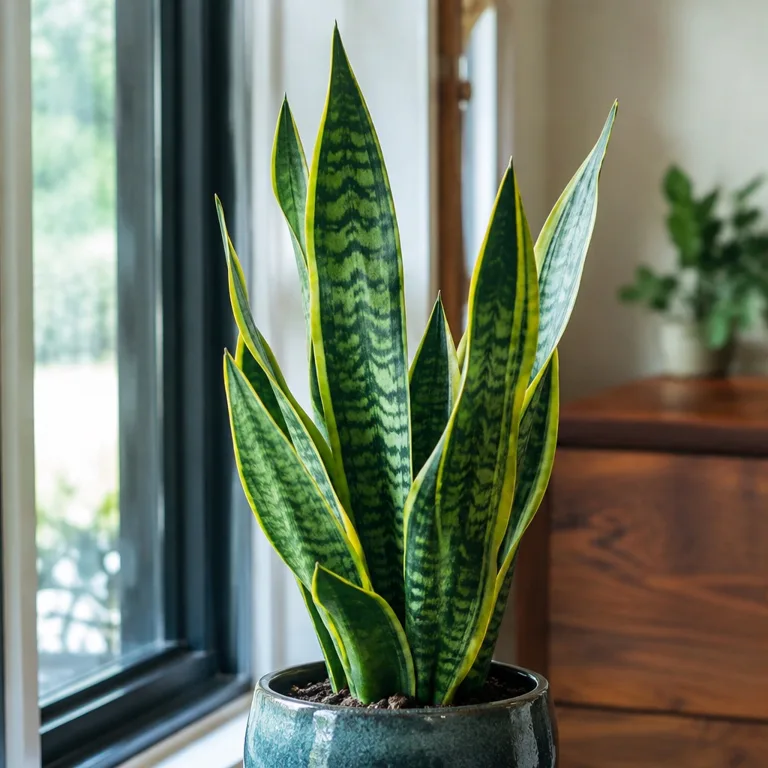
Snake plant
Dracaena trifasciata
A clumping, succulent-leaved houseplant with upright sword-shaped foliage. It tolerates lower light, but drainage and restrained watering are essential to avoid root rot.
Read guide
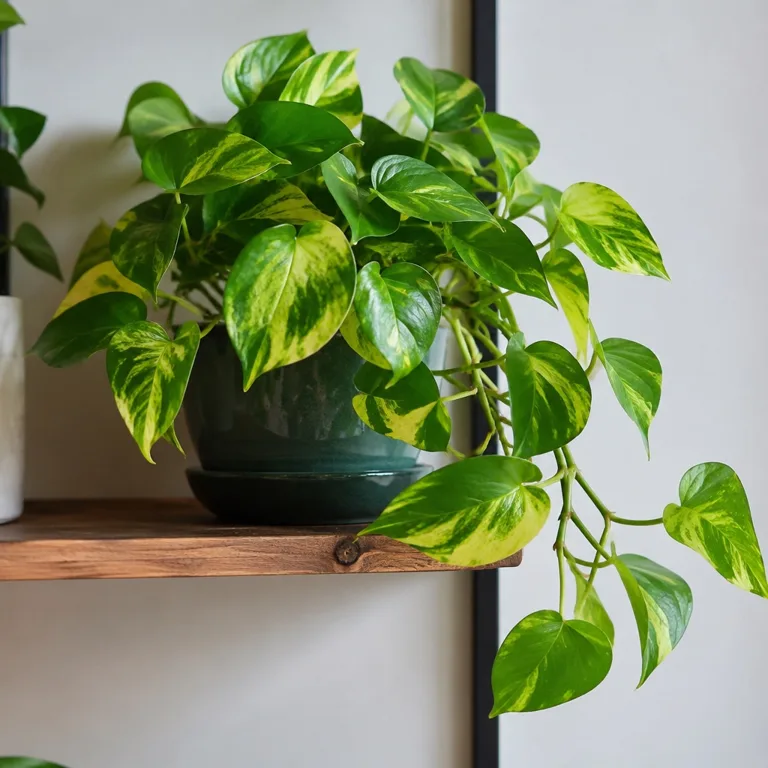
Golden pothos
Epipremnum aureum
A trailing or climbing foliage plant with green or variegated juvenile leaves. Controlled indoor warmth and light are separate from outdoor regional suitability.
Read guide
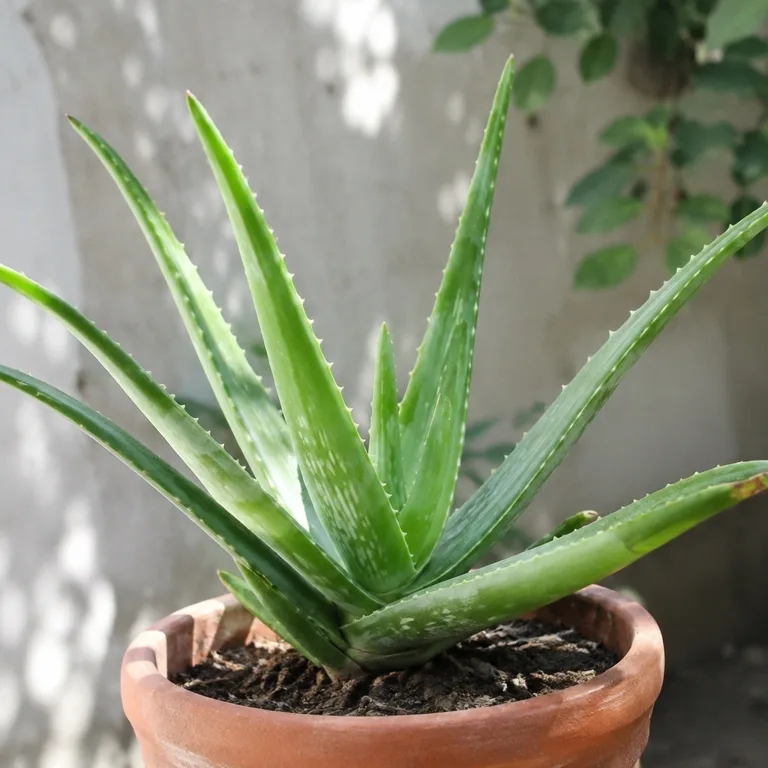
Aloe vera
Aloe vera
An evergreen succulent with fleshy toothed leaves that forms offsets. Suitable light, drainage and protection from cold matter more than frequent watering.
Read guide
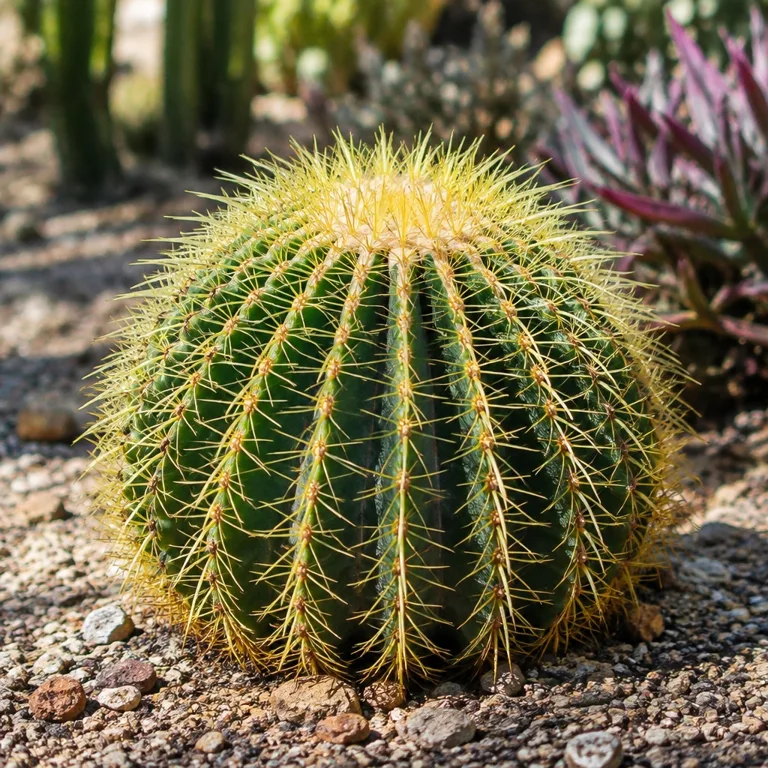
Golden barrel cactus
Echinocactus grusonii
A slow-growing barrel cactus with strong ribs and golden spines. In cool districts it requires sheltered, frost-protected cultivation rather than an outdoor planting assumption.
Read guide
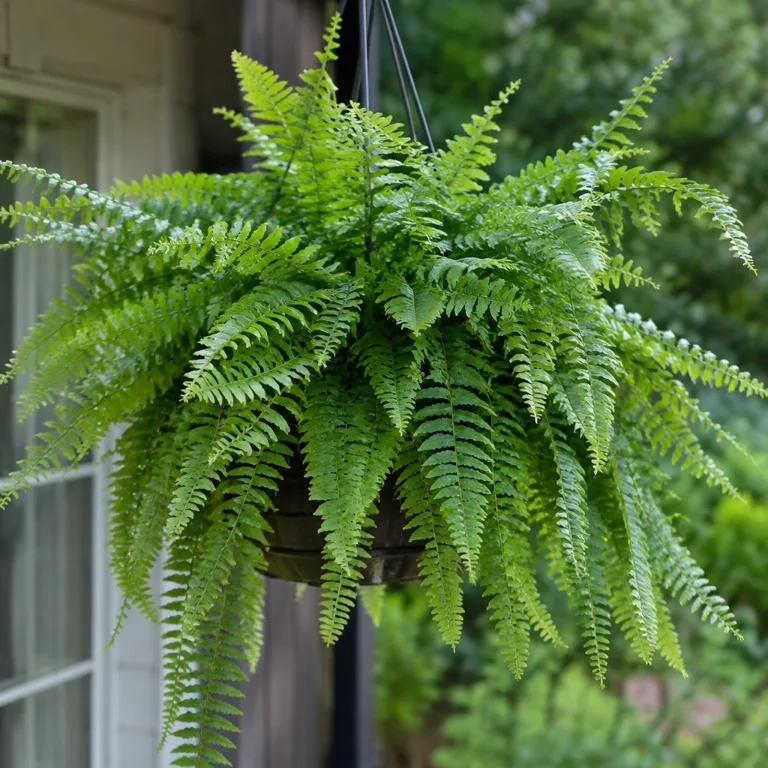
Boston fern
Nephrolepis exaltata 'Bostoniensis'
An arching foliage fern grown for its divided fronds. It needs humidity and moisture without stagnant roots; the brown spore dots beneath fronds are a normal reproductive feature.
Read guide
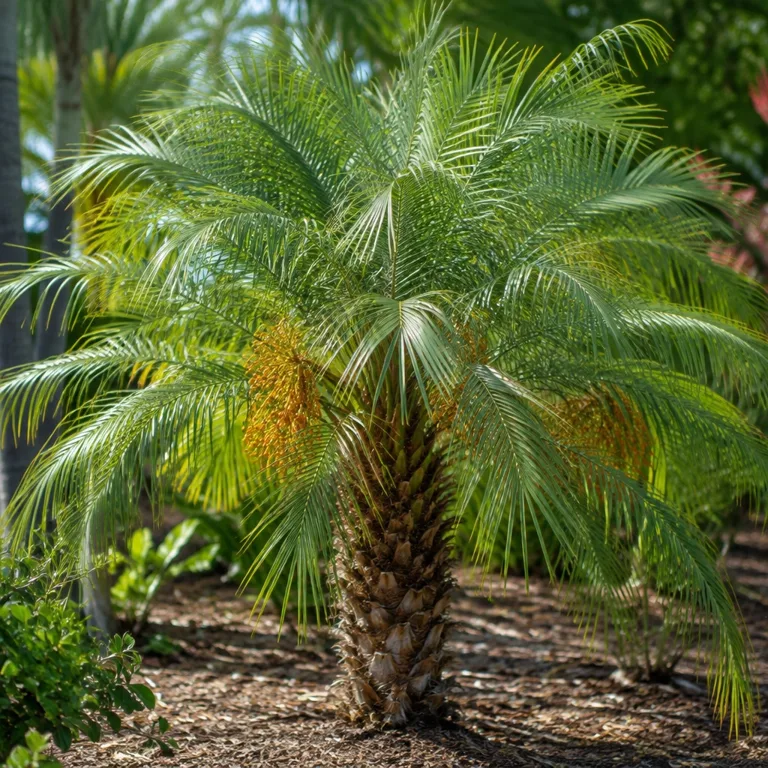
Pygmy date palm
Phoenix roebelenii
A small feather-leaved palm for warm landscapes or protected containers. Nursery pots may contain several separate palms rather than one naturally multi-stemmed plant.
Read guide
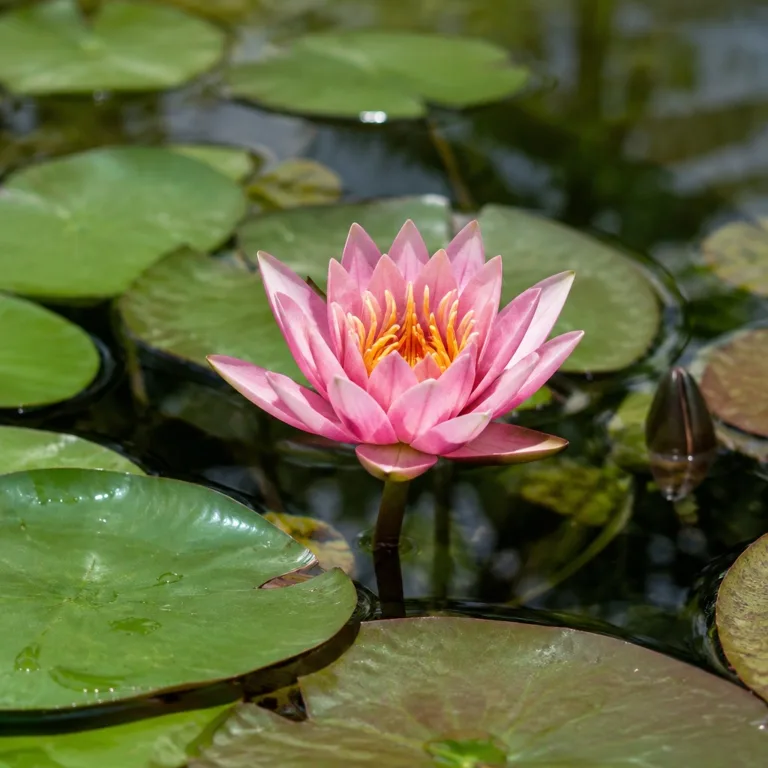
Hardy water lily
Nymphaea hardy garden hybrids
A hardy-hybrid overview of flowering pond plants with floating lily pads. Cultivar size determines pond space and planting depth; hardy and tropical water lilies have different winter needs.
Read guide
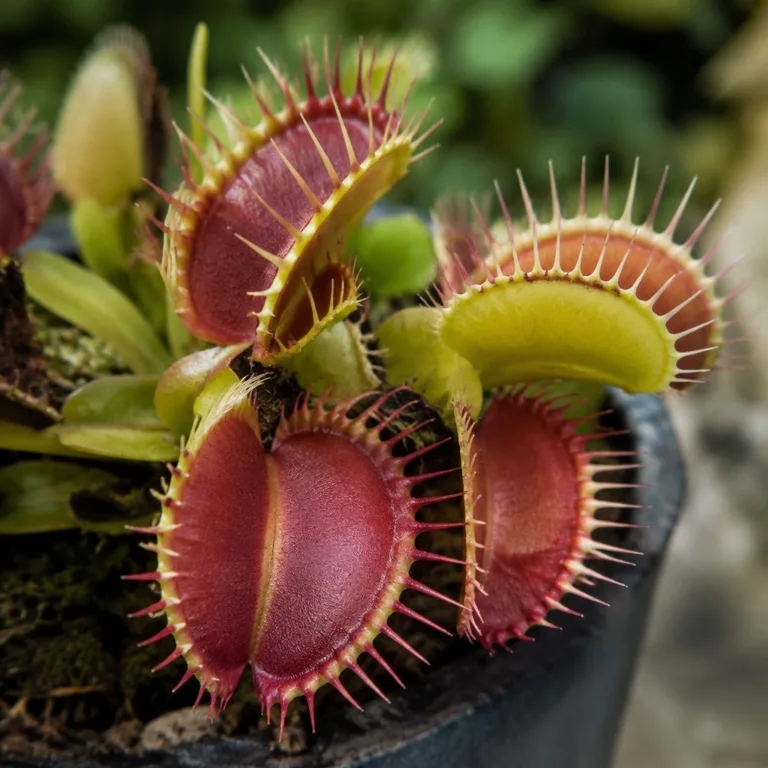
Venus flytrap
Dionaea muscipula
A carnivorous perennial with hinged leaf traps, native to a limited coastal area of the Carolinas. Its bog-plant needs differ fundamentally from ordinary garden soil and fertilizer routines.
Read guide
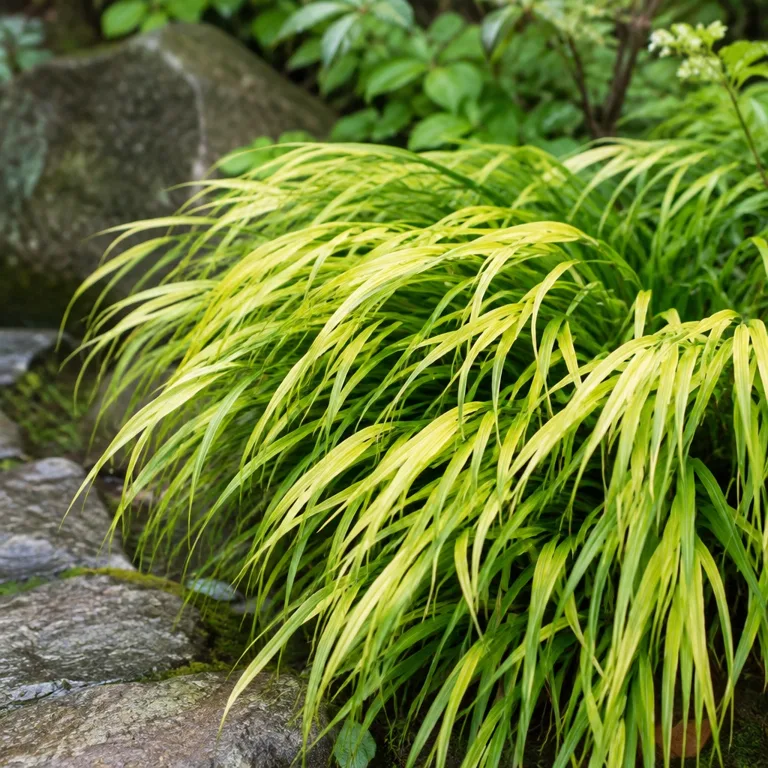
Japanese forest grass
Hakonechloa macra
A deciduous ornamental grass that forms arching mounds and dies back in winter. It is a shade-garden foliage plant, not a substitute for lawn turf.
Read guide
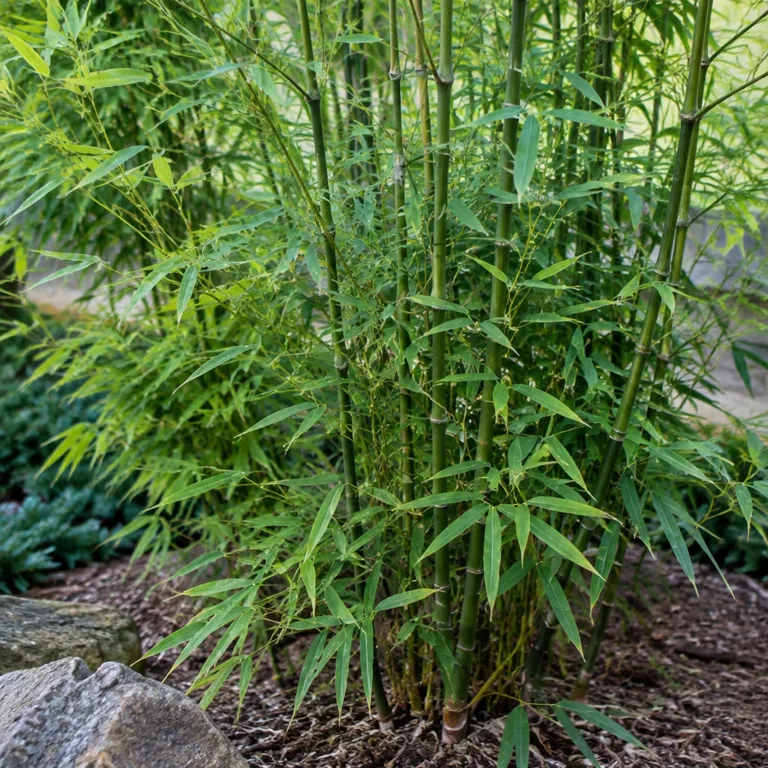
Clumping bamboo
Fargesia robusta
A clumping bamboo with slender segmented canes and evergreen foliage. It is distinct from running bamboos, but mature height and spread still need space and management.
Read guide