Gardening in Japan
Japan stretches from snowy Hokkaido to subtropical Okinawa. Most of the main islands have hot, humid summers, a rainy season (tsuyu) in June–July and cold winters.
Local growing conditions
Choose the region closest to you. The sowing list below updates to match.
Continental climate: Warm summers and cold, long winters with hard frost. The frost-free season is short, so timing matters.
- Start seeds indoors 6–8 weeks before last frost.
- Choose short-season varieties.
- Use row covers in spring and autumn.
Hardiness zones: A verified national hardiness map is not available in our dataset for Japan; use regional climate guidance and local records instead.
Growing seasons in Japan
Spring sowing
Mar–May
Tsuyu (rainy season)
Jun–Jul
Autumn sowing
Aug–Oct
What to sow in Jan: Hokkaido
Season: Winter. These are estimated sowing windows from our climate tables. They are not live weather, so adjust for your local frost and rainfall.
No main sowing for this region in Jan. Use this month to prepare beds, add compost or harvest.
Fruit, herb and ornamental candidates
Filtered to your selected regional climate pattern. These are not verified city recommendations. Check frost, winter chilling, soil, cultivar and local invasive-species rules before planting.
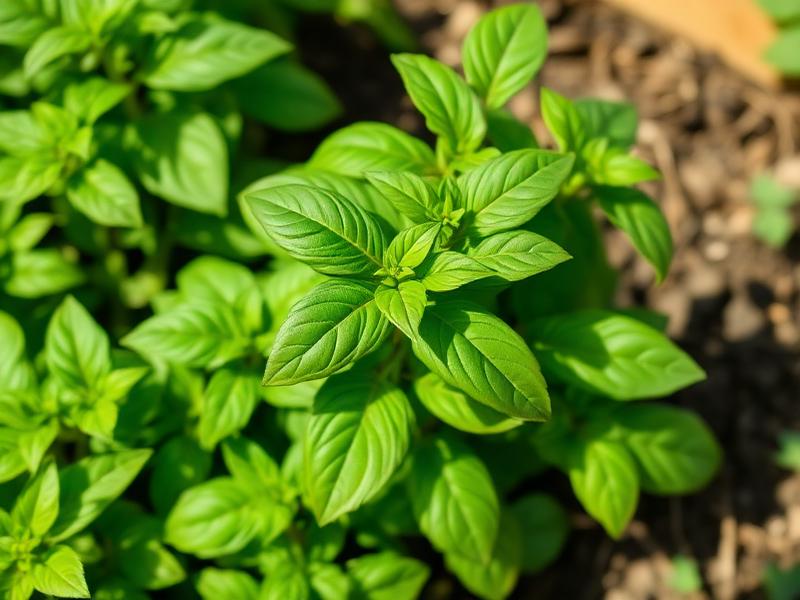 BasilAnnual herbs
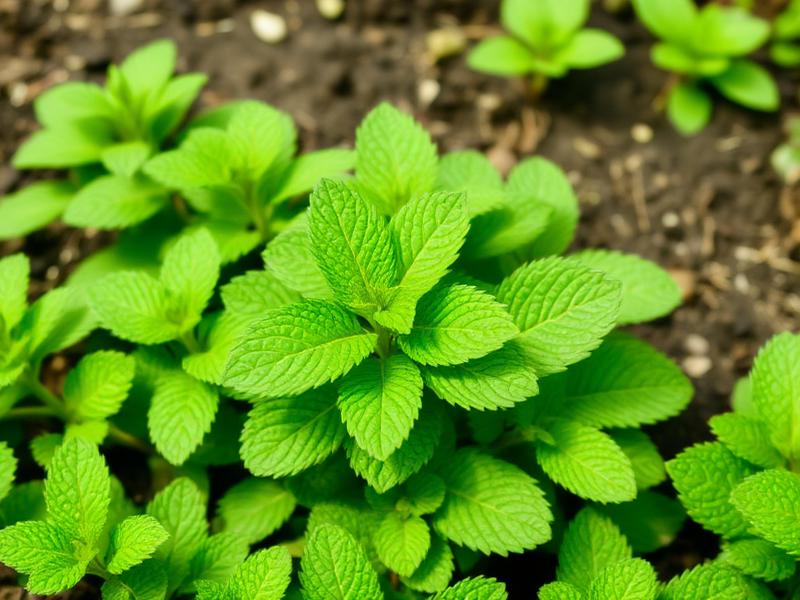 MintPerennial and biennial herbs
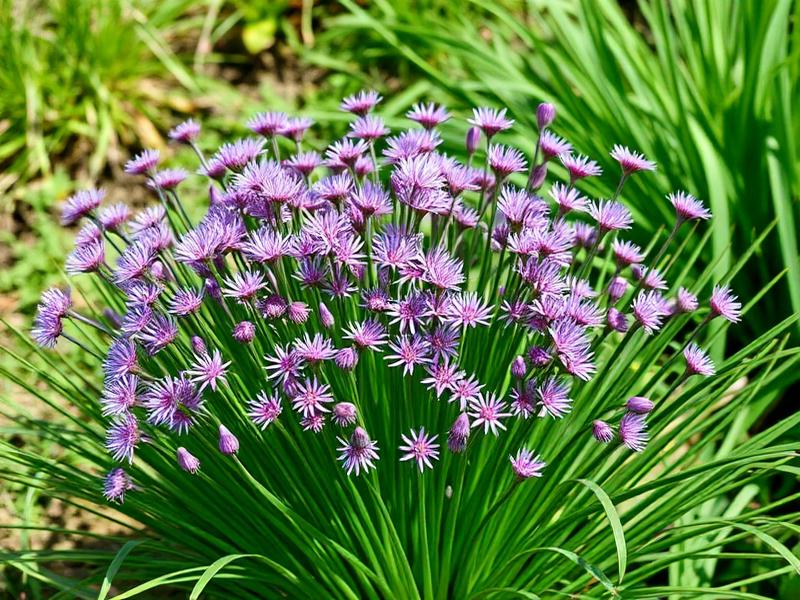 ChivesPerennial and biennial herbs
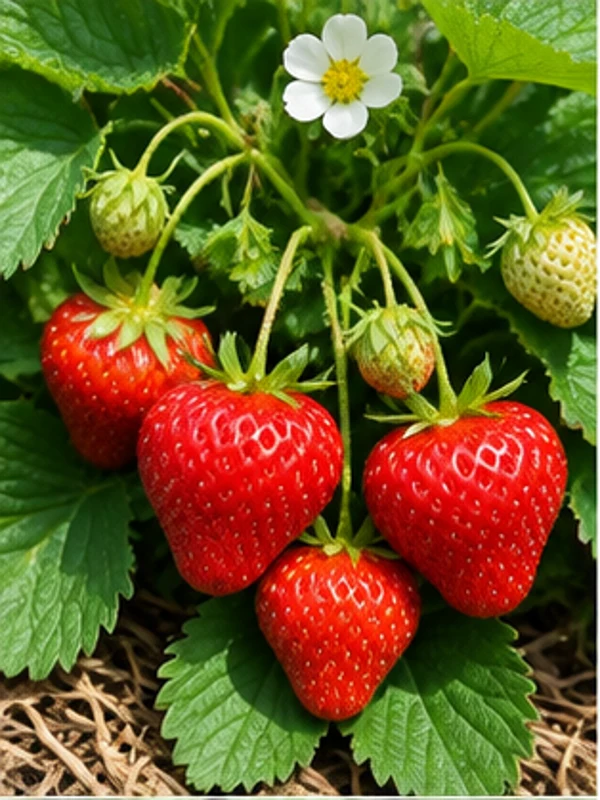 StrawberryBerries
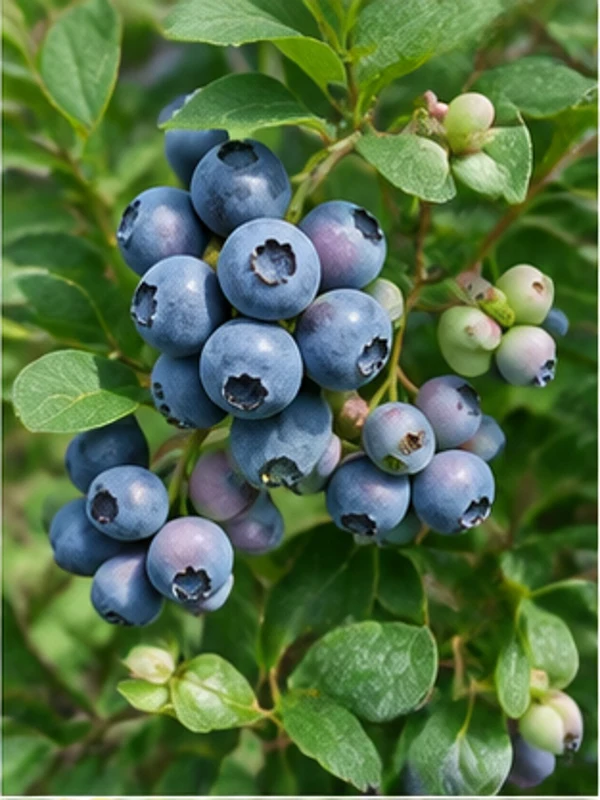 BlueberryBerries
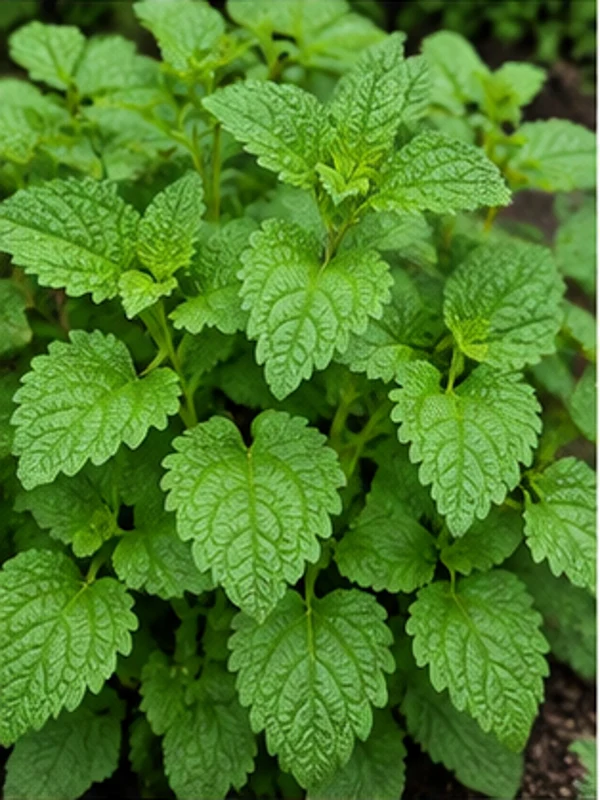 Lemon balmPerennial and biennial herbs
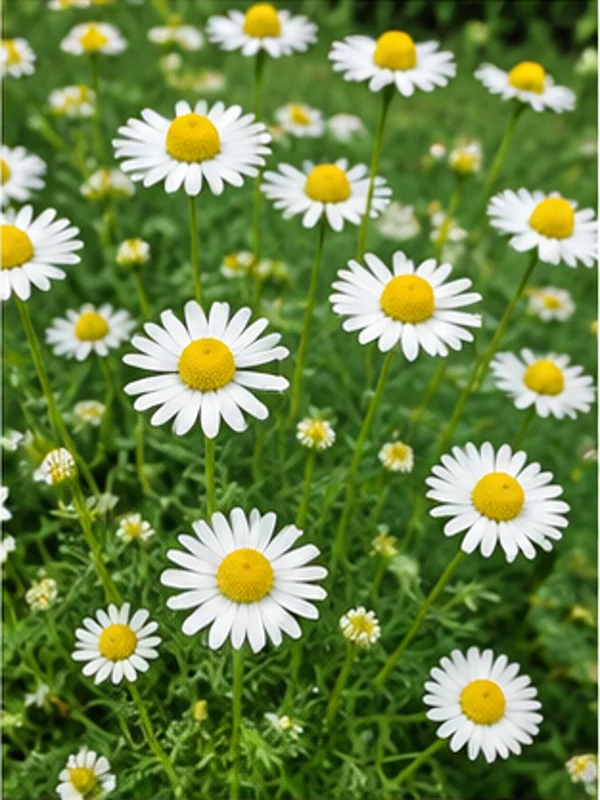 German chamomileAnnual herbs
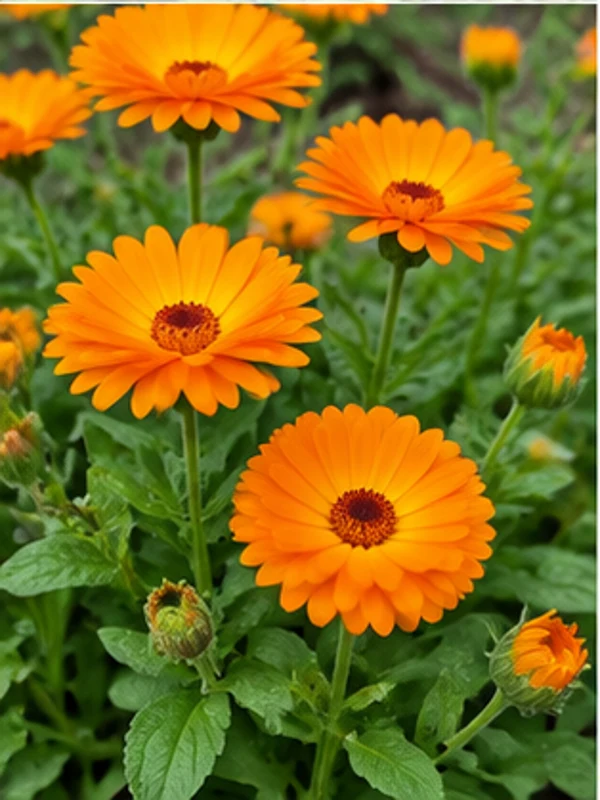 CalendulaAnnual flowers
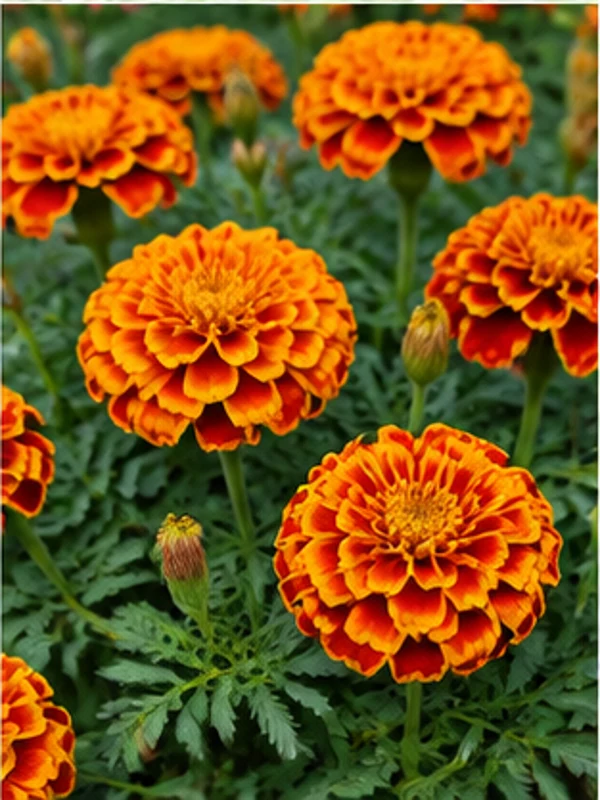 French marigoldAnnual flowers
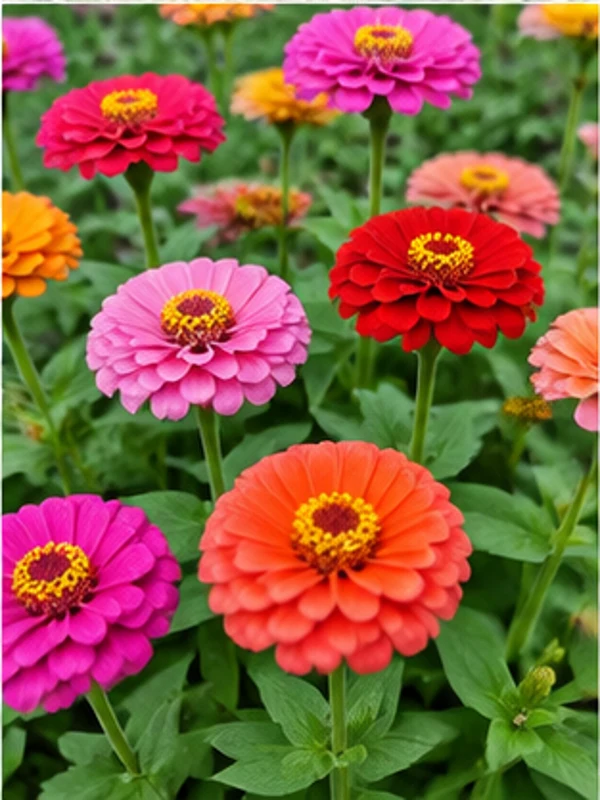 ZinniaAnnual flowers
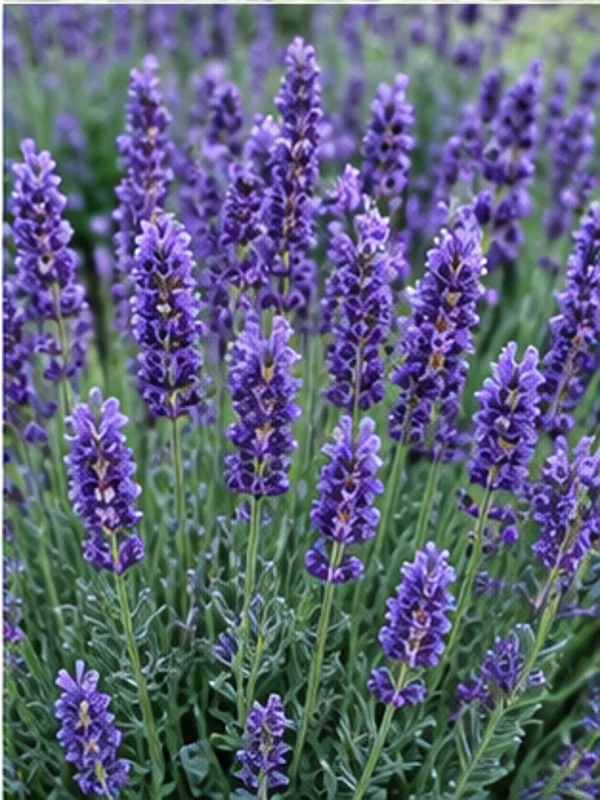 English lavenderPerennial flowers
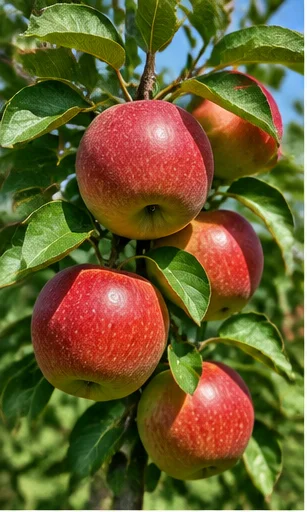 ApplePome fruit
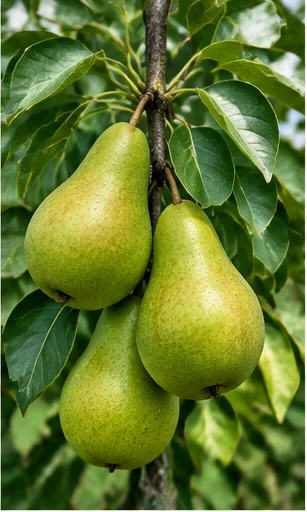 European pearPome fruit
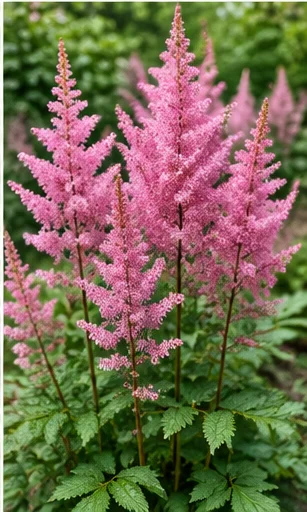 Japanese astilbeShade-loving perennial
Vegetables and herbs that suit Japan
| Plant | J | F | M | A | M | J | J | A | S | O | N | D |
|---|---|---|---|---|---|---|---|---|---|---|---|---|
| Eggplant | ||||||||||||
| Cucumber | ||||||||||||
| Tomato | ||||||||||||
| Edamame (Soybean) | ||||||||||||
| Radish | ||||||||||||
| Turnip | ||||||||||||
| Bok Choy | ||||||||||||
| Cabbage | ||||||||||||
| Spinach | ||||||||||||
| Green Onion | ||||||||||||
| Sweet Potato | ||||||||||||
| Pumpkin | ||||||||||||
| Chives | ||||||||||||
| Mint | ||||||||||||
| Basil |
Shaded months are estimated sowing windows for Hokkaido.
Soil and compost
Watering and irrigation
Pests and diseases
Local tips
- Grow cucumbers and bitter melon on trellises to save space.
- Sow radishes and turnips in autumn for the best roots.
- Containers on balconies work well in cities.