Gardening in United States
The United States spans almost every climate, from subarctic Alaska to tropical Hawaii and the deserts of the Southwest. That's why GardeningPlanet's US tools use your ZIP code and USDA zone, not a single national calendar.
Local growing conditions
Choose the region closest to you. The sowing list below updates to match.
Continental climate: Warm summers and cold, long winters with hard frost. The frost-free season is short, so timing matters.
- Start seeds indoors 6–8 weeks before last frost.
- Choose short-season varieties.
- Use row covers in spring and autumn.
Hardiness zones: USDA Plant Hardiness Zones 1–13 describe average annual extreme minimum winter temperature. Our ZIP lookup gives a state estimate; confirm your exact address on the official USDA map. Zones do not determine frost dates.
Growing seasons in United States
Spring planting
Feb–May (by zone)
Summer
Jun–Aug
Fall garden
Aug–Oct
What to sow in Jan: Northeast & Midwest
Season: Winter. These are estimated sowing windows from our climate tables. They are not live weather, so adjust for your local frost and rainfall.
No main sowing for this region in Jan. Use this month to prepare beds, add compost or harvest.
Fruit, herb and ornamental candidates
Filtered to your selected regional climate pattern. These are not verified city recommendations. Check frost, winter chilling, soil, cultivar and local invasive-species rules before planting.
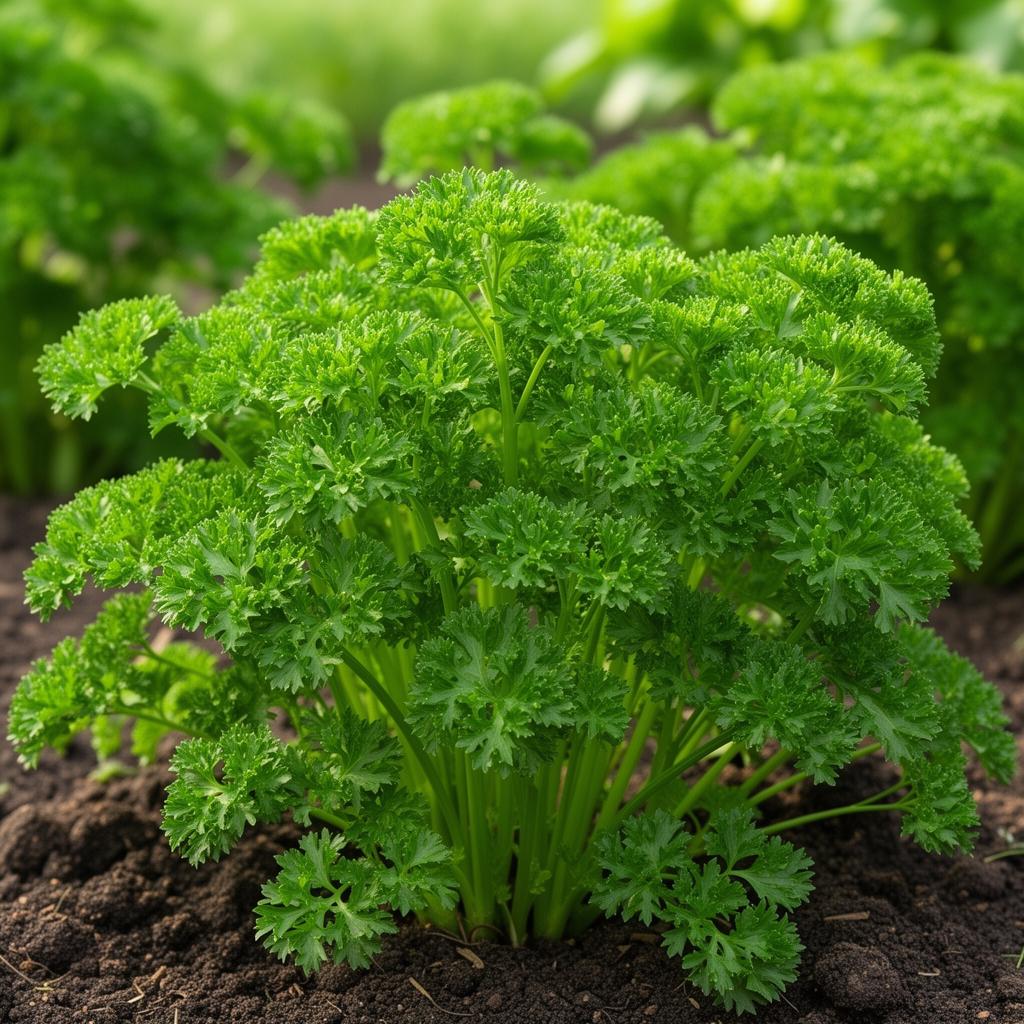 ParsleyPerennial and biennial herbs
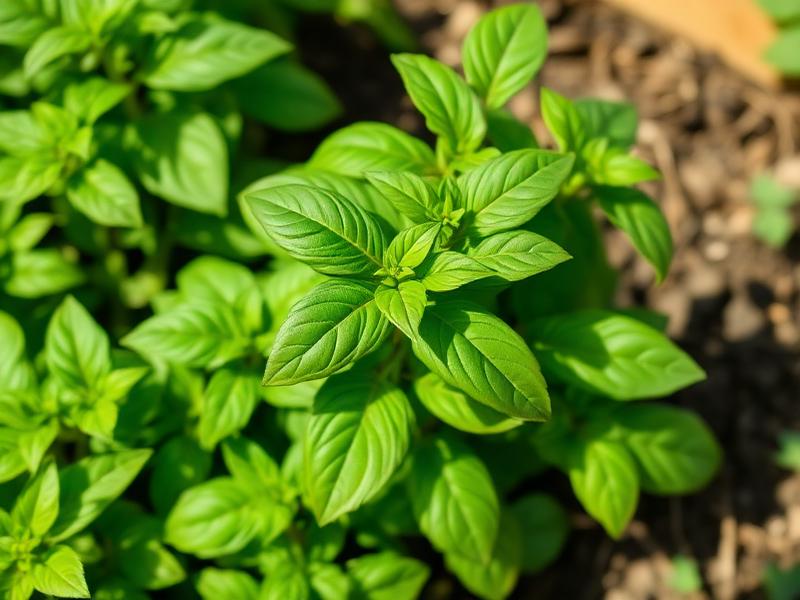 BasilAnnual herbs
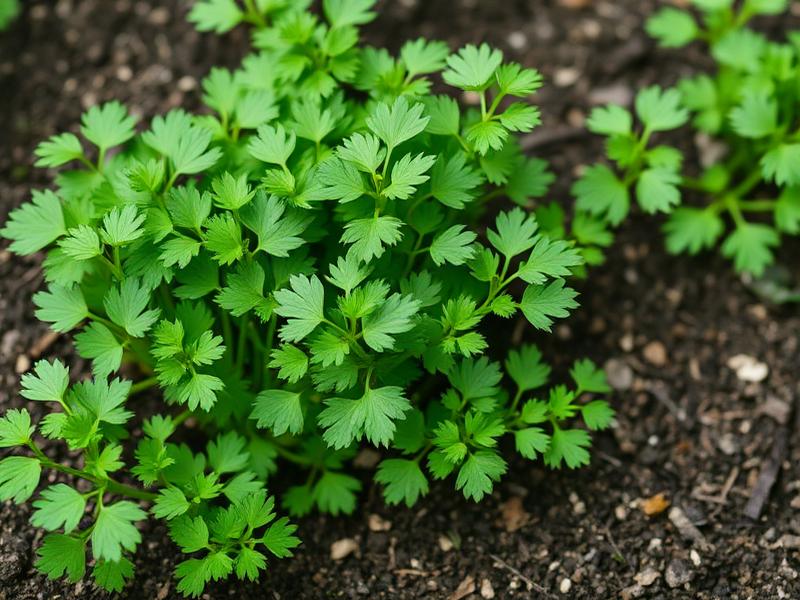 CilantroAnnual herbs
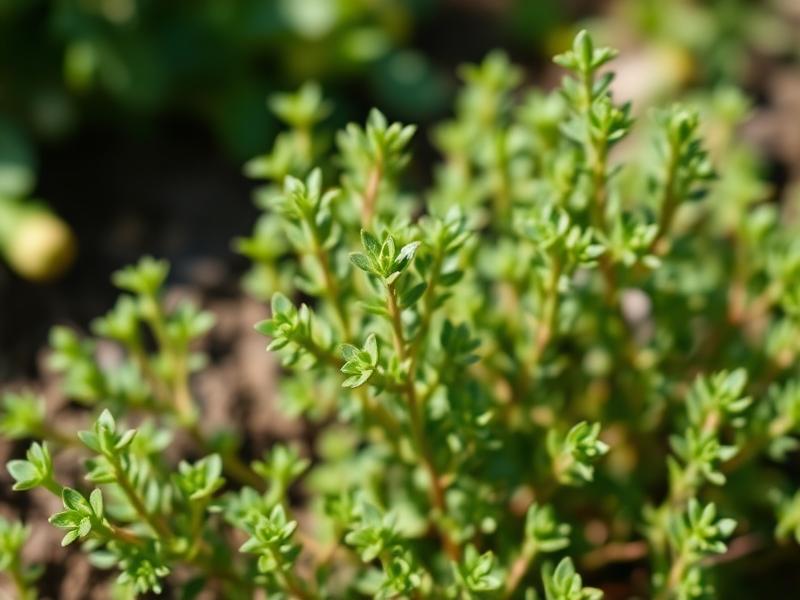 ThymePerennial and biennial herbs
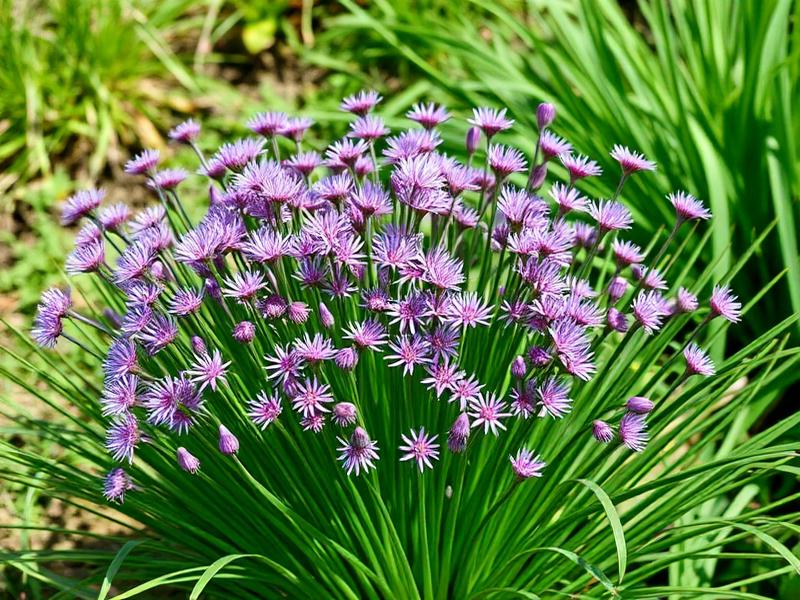 ChivesPerennial and biennial herbs
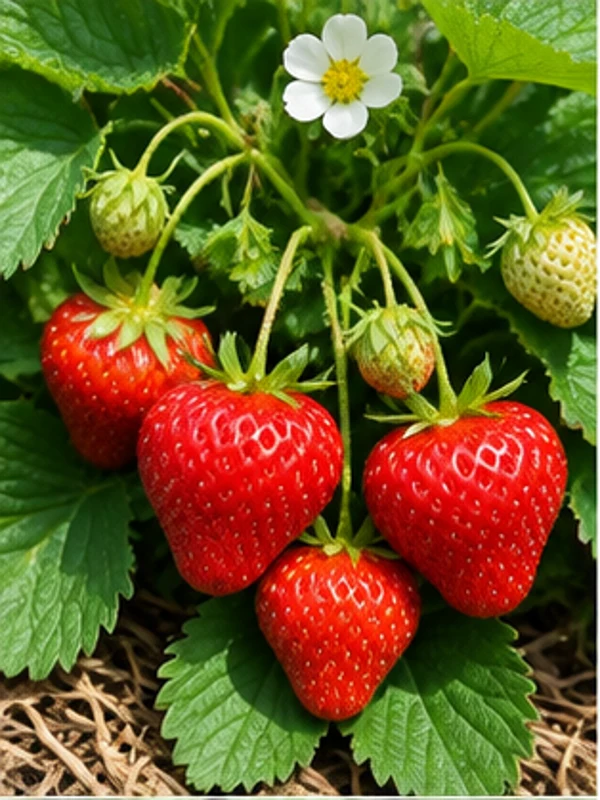 StrawberryBerries
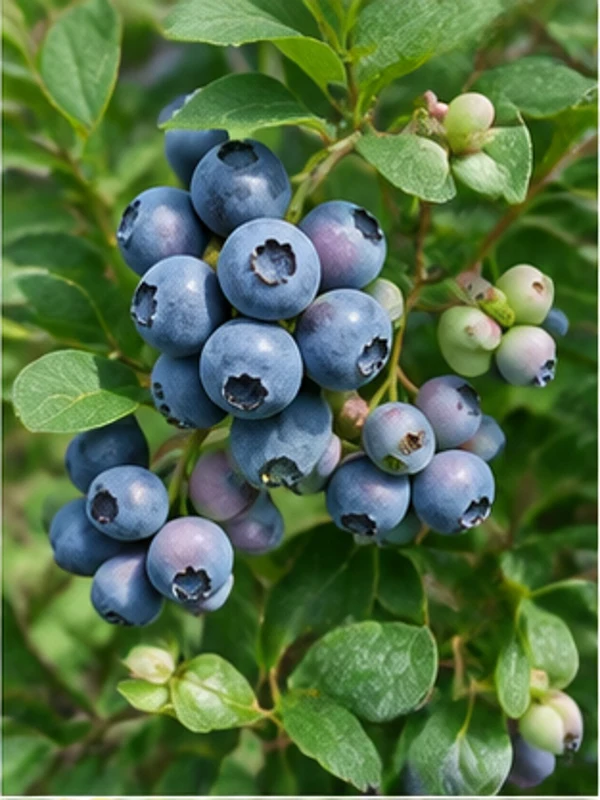 BlueberryBerries
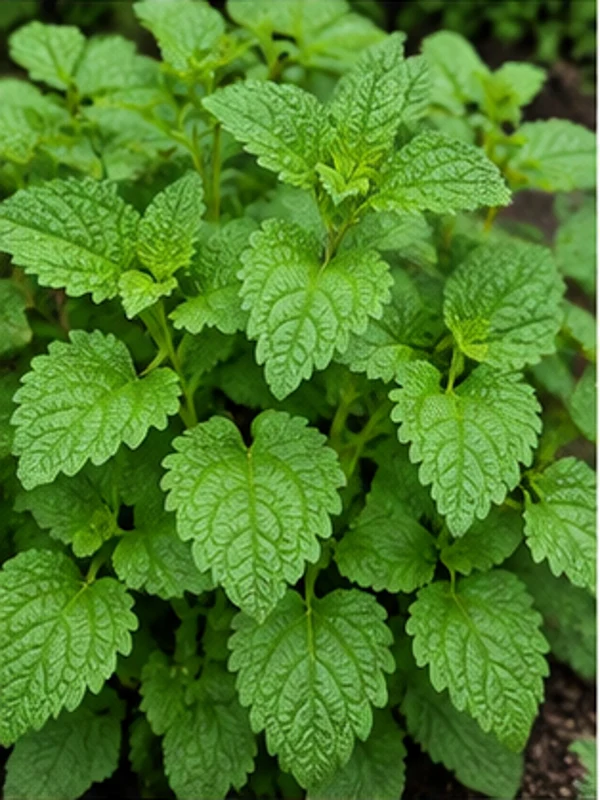 Lemon balmPerennial and biennial herbs
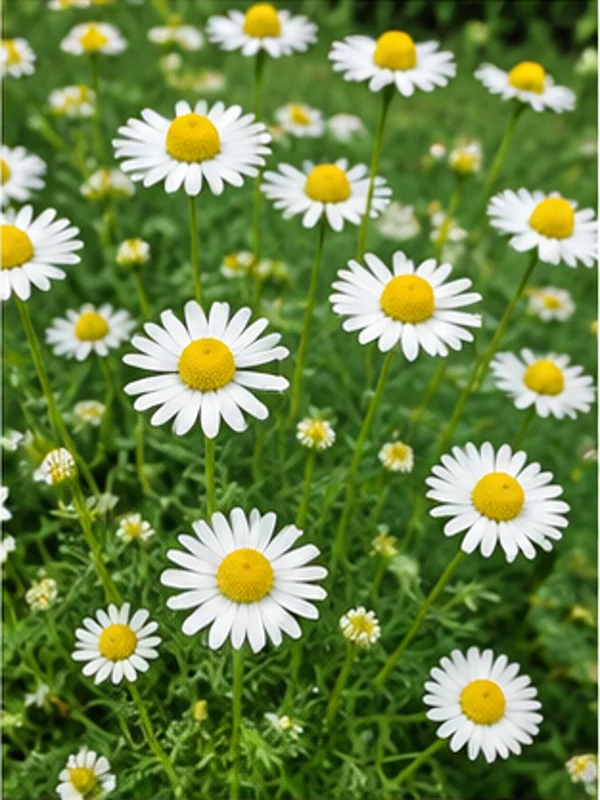 German chamomileAnnual herbs
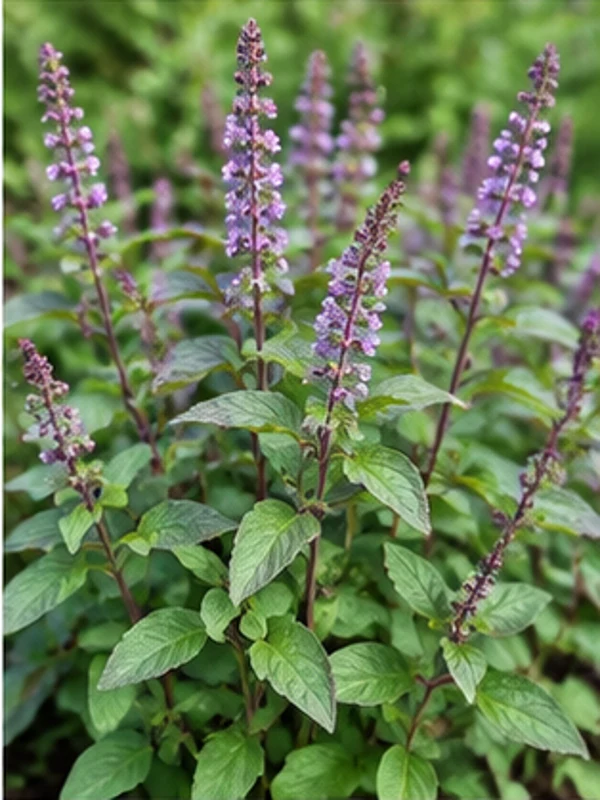 Holy basil (Tulsi)Annual herbs
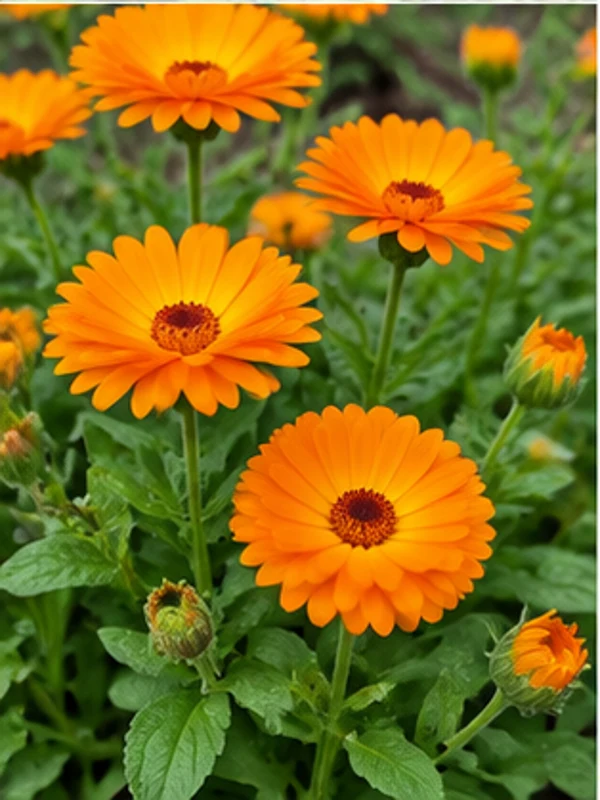 CalendulaAnnual flowers
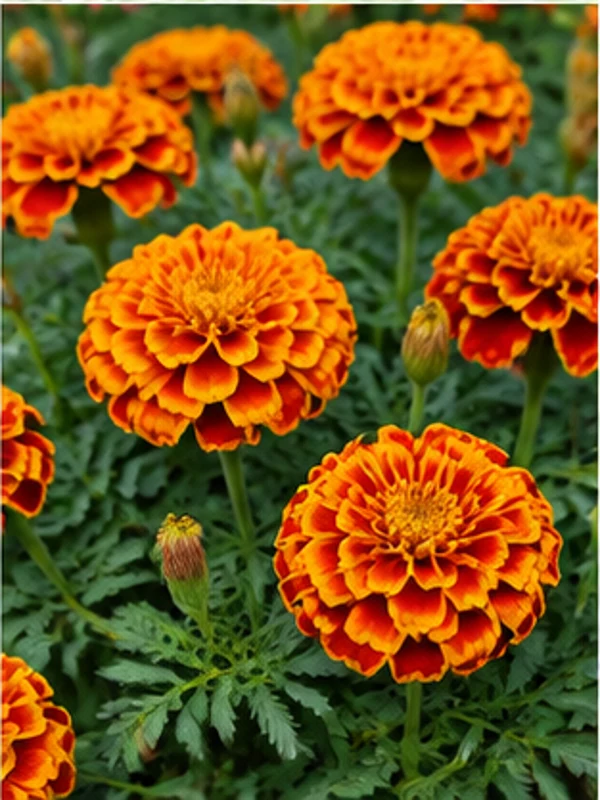 French marigoldAnnual flowers
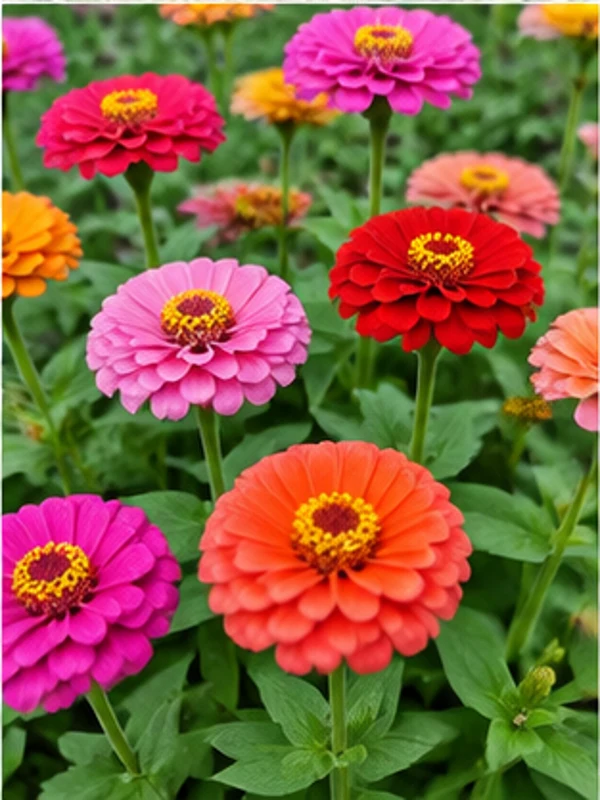 ZinniaAnnual flowers
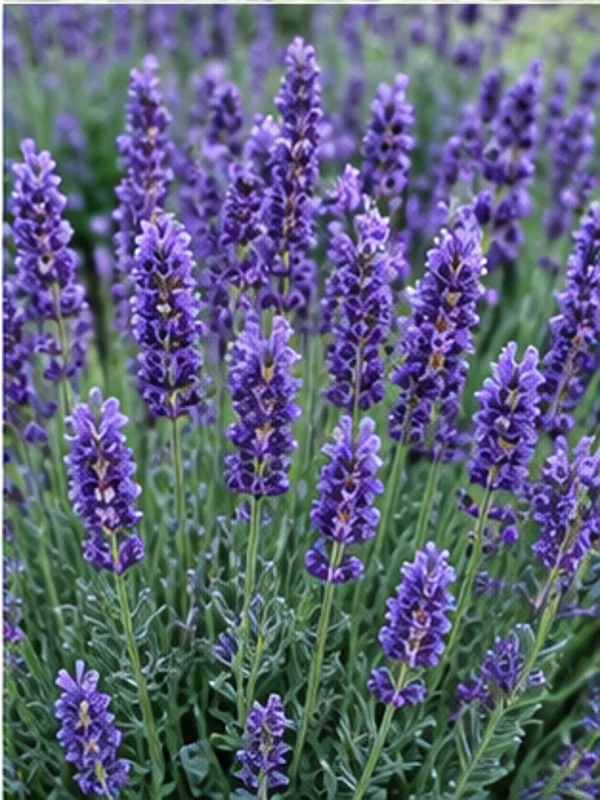 English lavenderPerennial flowers
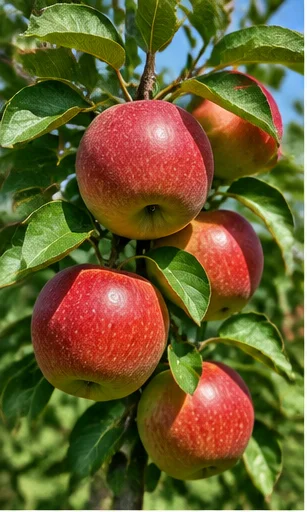 ApplePome fruit
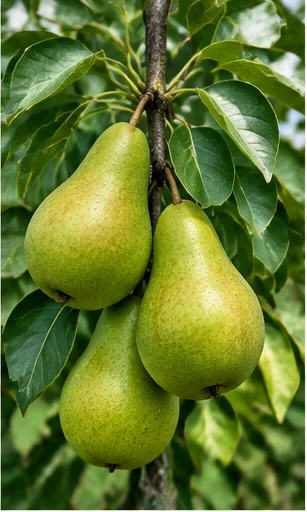 European pearPome fruit
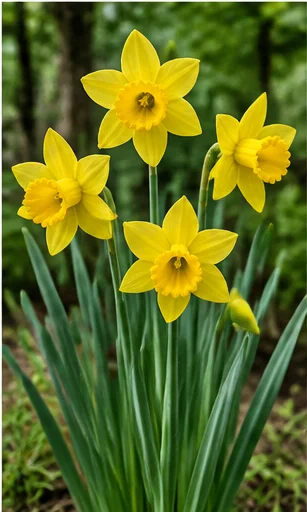 Wild daffodilFlowering bulb
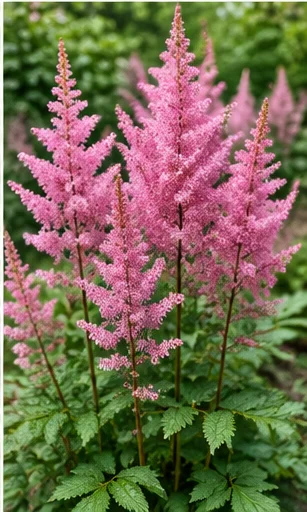 Japanese astilbeShade-loving perennial
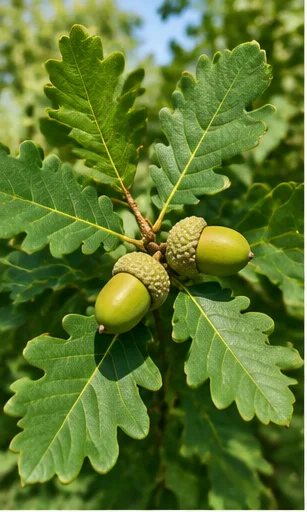 English oakDeciduous shade tree
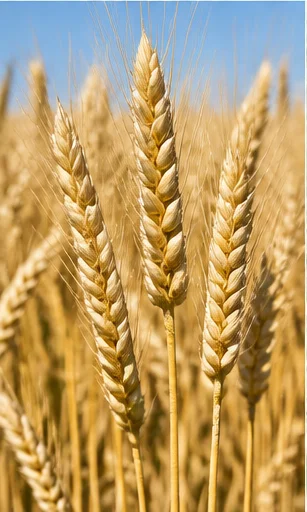 Bread wheatAnnual cereal
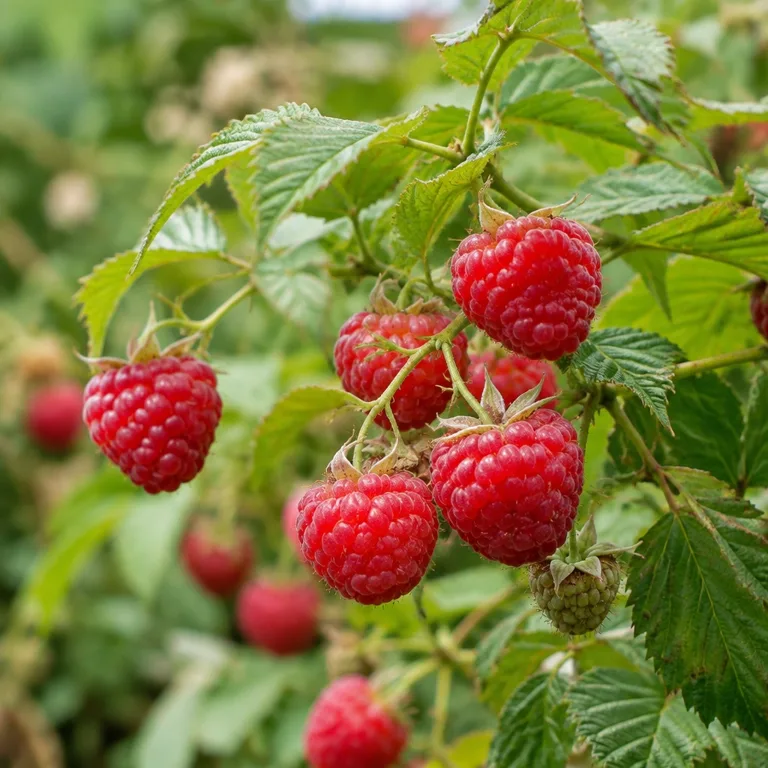 RaspberryBerries
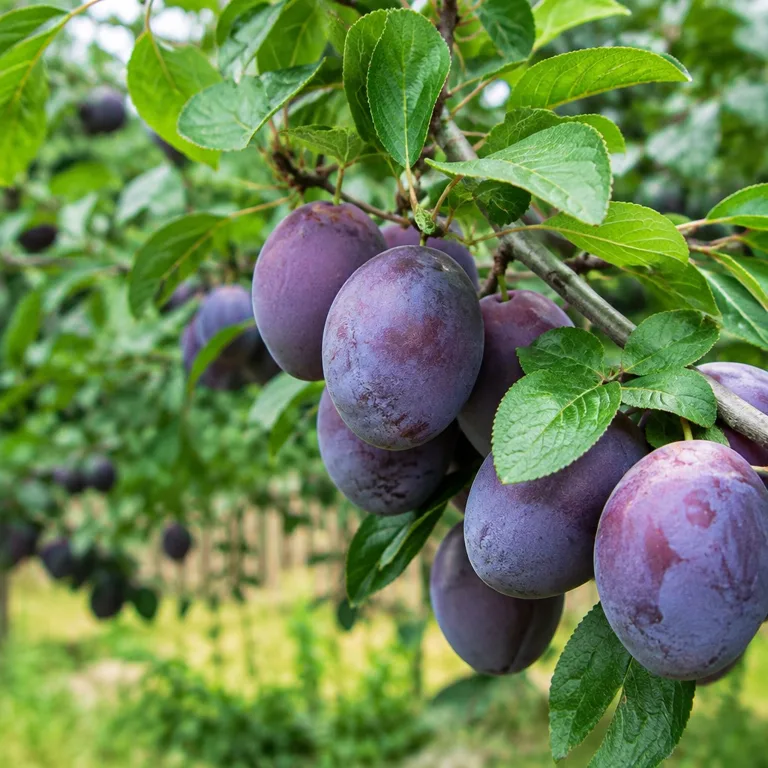 European plumStone fruit
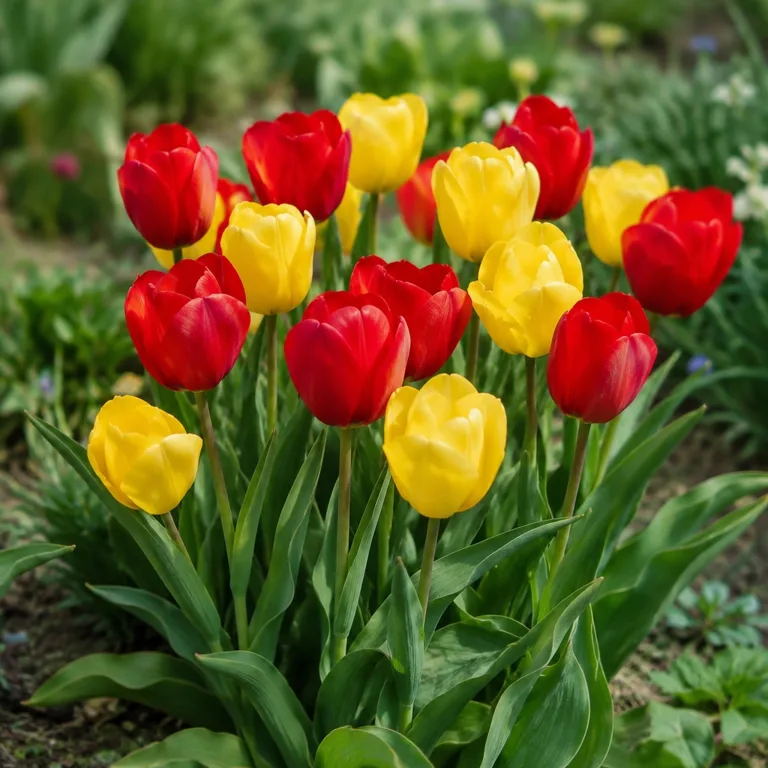 Garden tulipFlowering bulbs
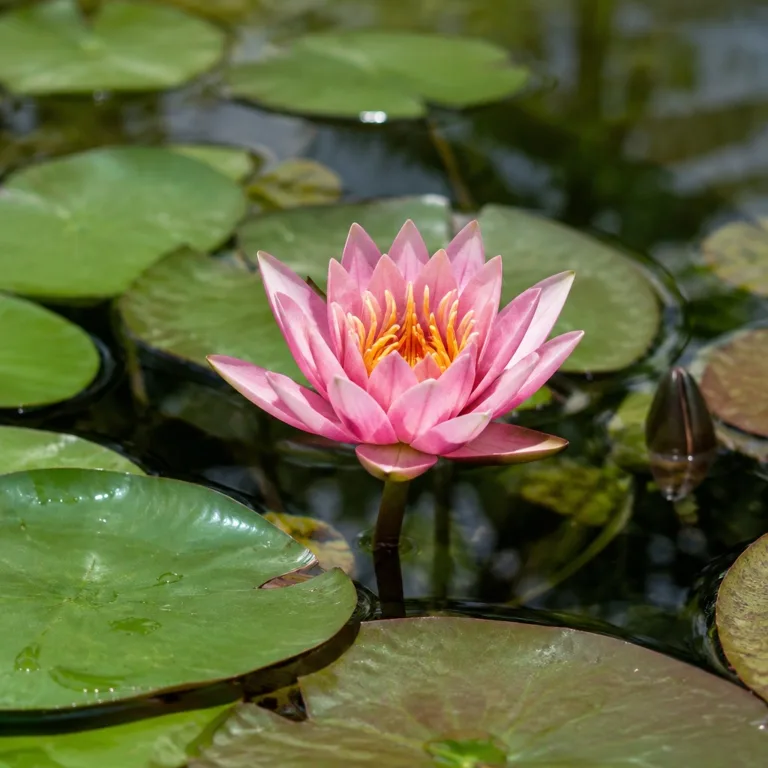 Hardy water lilyAquatic flowering plants
Vegetables and herbs that suit United States
| Plant | J | F | M | A | M | J | J | A | S | O | N | D |
|---|---|---|---|---|---|---|---|---|---|---|---|---|
| Tomato | ||||||||||||
| Bell Pepper | ||||||||||||
| Green Bean | ||||||||||||
| Sweet Corn | ||||||||||||
| Zucchini / Squash | ||||||||||||
| Lettuce | ||||||||||||
| Carrot | ||||||||||||
| Kale | ||||||||||||
| Potato | ||||||||||||
| Pumpkin | ||||||||||||
| Cucumber | ||||||||||||
| Garlic | ||||||||||||
| Basil | ||||||||||||
| Parsley | ||||||||||||
| Cilantro | ||||||||||||
| Thyme | ||||||||||||
| Rosemary | ||||||||||||
| Chives |
Shaded months are estimated sowing windows for Northeast & Midwest.
Soil and compost
Watering and irrigation
Pests and diseases
Local tips
- Confirm your address on the official USDA map and check local frost records separately.
- Raised beds warm faster in northern states.
- In the South, plant tomatoes early to beat summer heat.