Gardening in India
India's growing year is shaped by the southwest monsoon. Kharif crops are sown with the rains, Rabi crops after them, and the timing varies a lot between the Himalayan north, the Indo-Gangetic plains and the tropical south.
Local growing conditions
Choose the region closest to you. The sowing list below updates to match.
Subtropical climate: Hot summers and mild winters with only occasional light frost. The main vegetable season is often the cooler half of the year.
- Sow tomatoes and peppers early so they fruit before peak heat.
- Winter is prime time for brassicas, peas and roots.
- Mulch heavily to keep soil cool.
Hardiness zones: A verified national hardiness map is not available in our dataset for India; use regional climate guidance and local records instead.
Growing seasons in India
Kharif (monsoon)
Jun–Oct
Rabi (winter)
Oct–Mar
Zaid (summer)
Mar–Jun
What to sow in Jan: North Indian plains
Season: Winter. These are estimated sowing windows from our climate tables. They are not live weather, so adjust for your local frost and rainfall.
Fruit, herb and ornamental candidates
Filtered to your selected regional climate pattern. These are not verified city recommendations. Check frost, winter chilling, soil, cultivar and local invasive-species rules before planting.
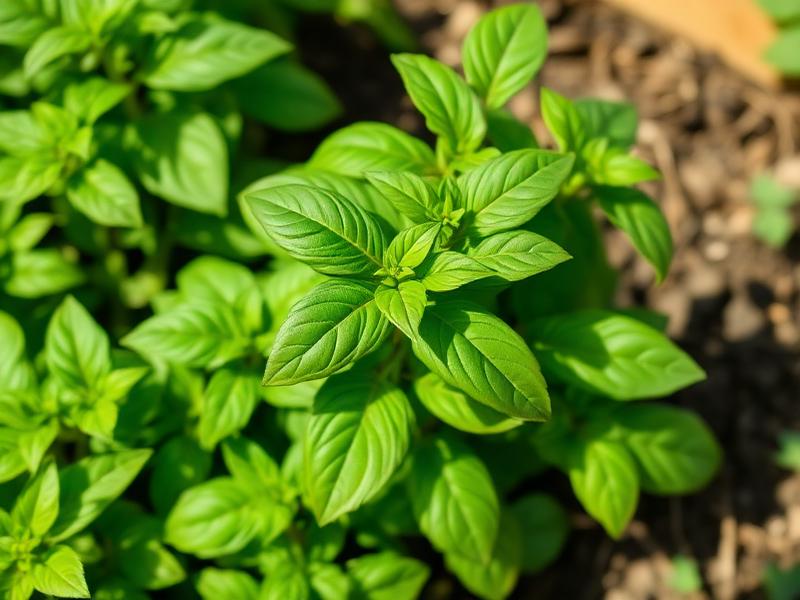 BasilAnnual herbs
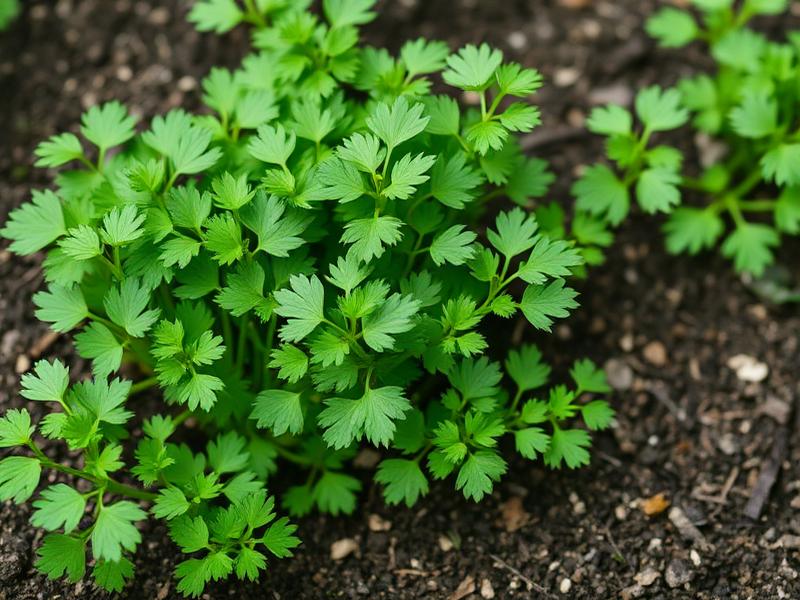 CilantroAnnual herbs
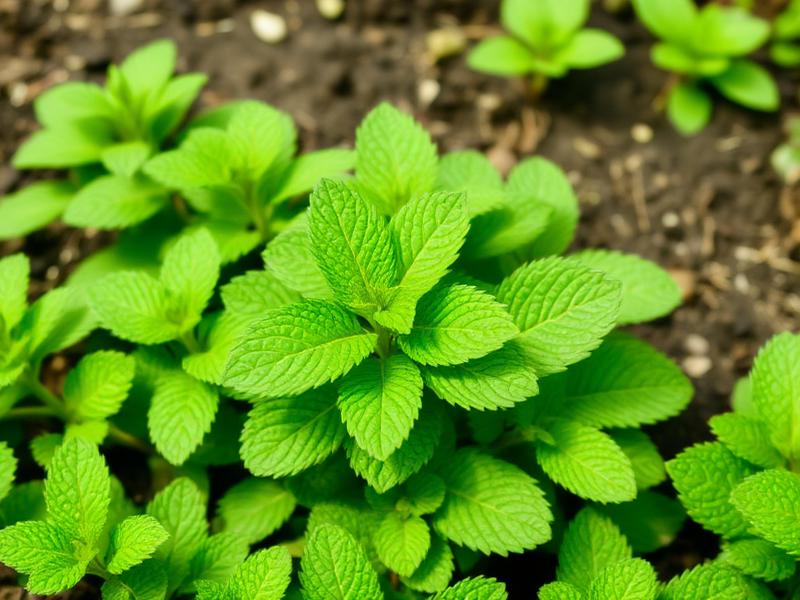 MintPerennial and biennial herbs
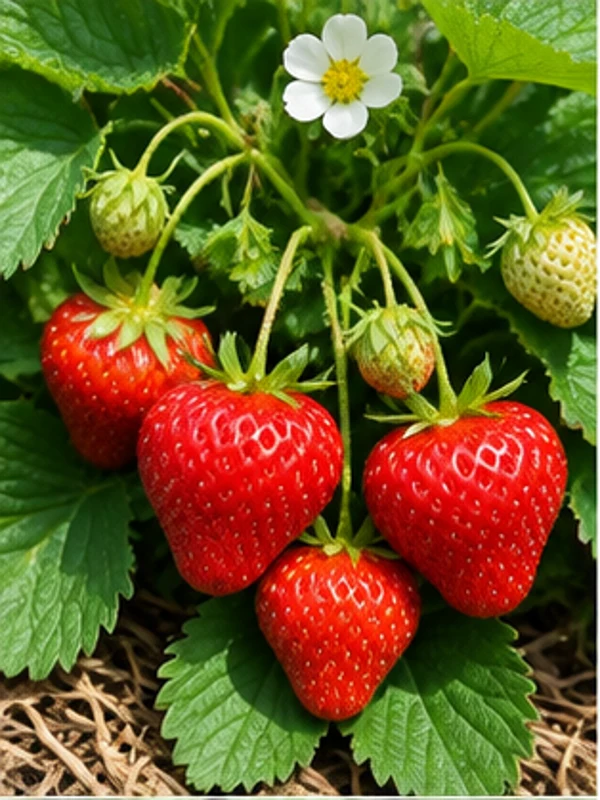 StrawberryBerries
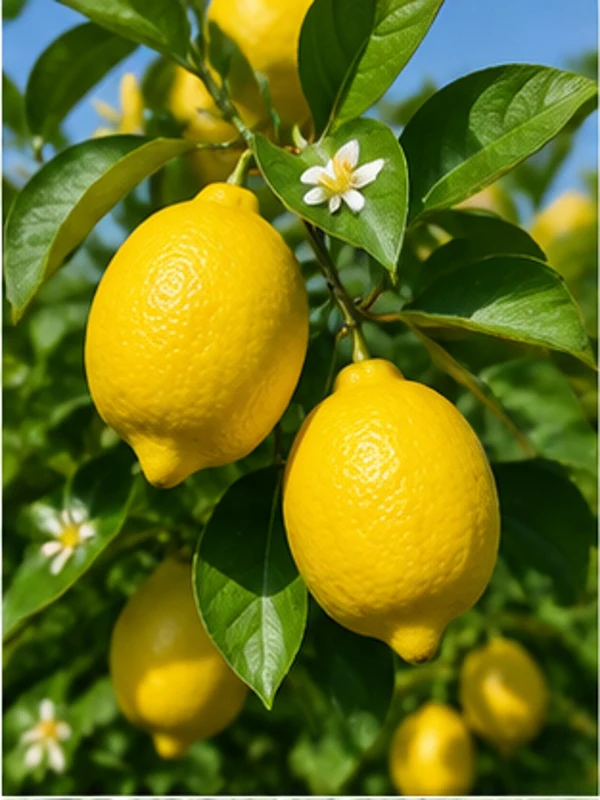 LemonCitrus fruits
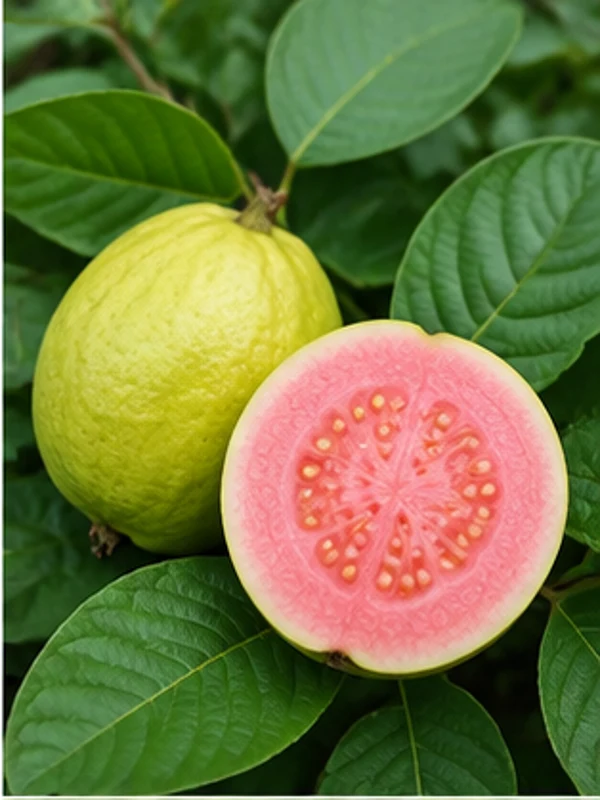 GuavaTropical fruits
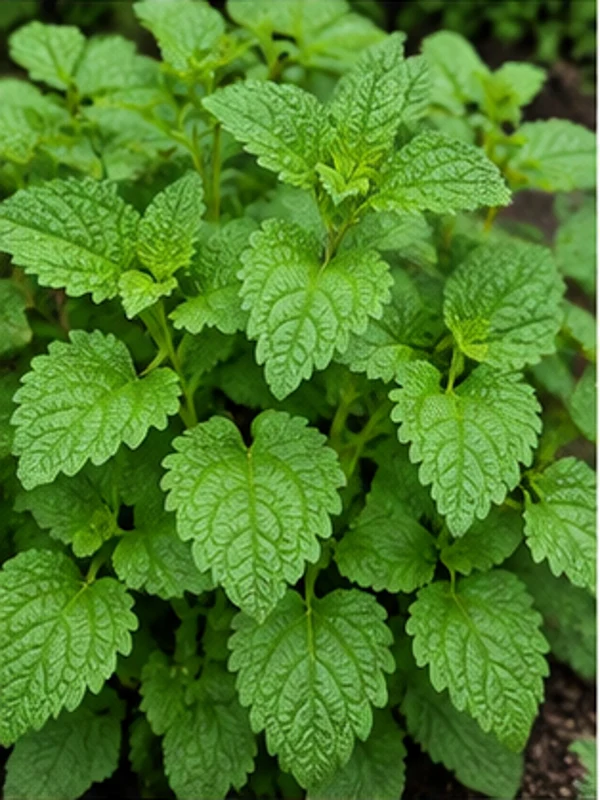 Lemon balmPerennial and biennial herbs
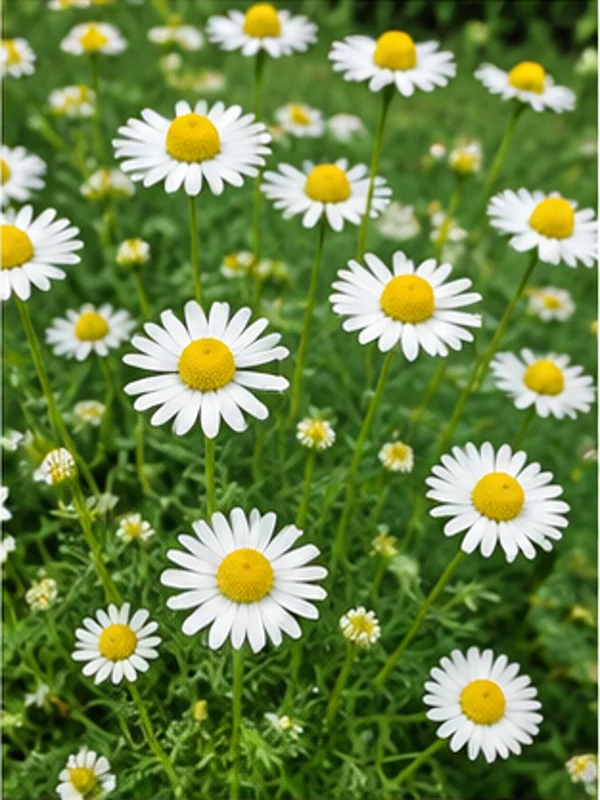 German chamomileAnnual herbs
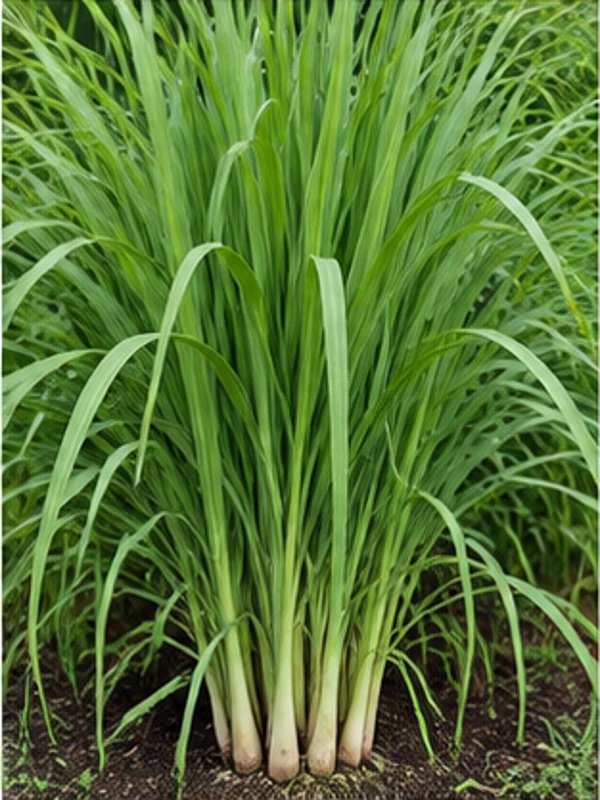 LemongrassPerennial and biennial herbs
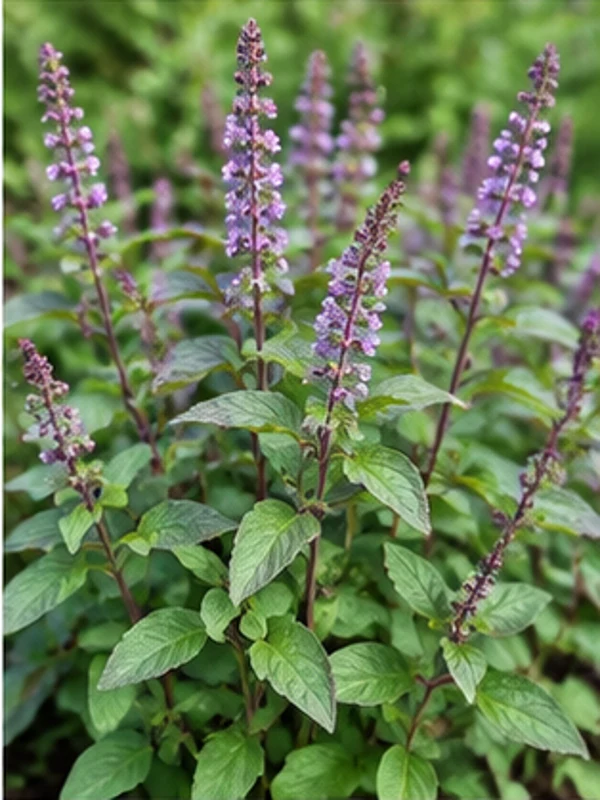 Holy basil (Tulsi)Annual herbs
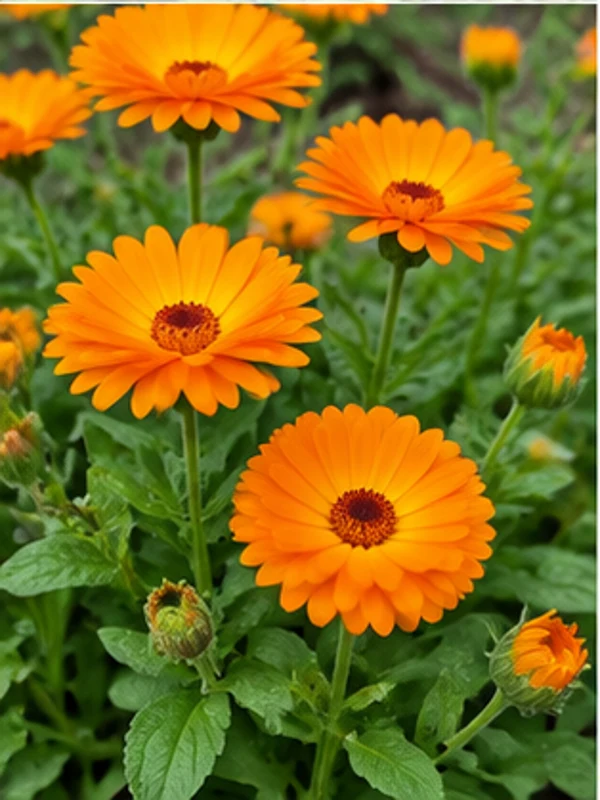 CalendulaAnnual flowers
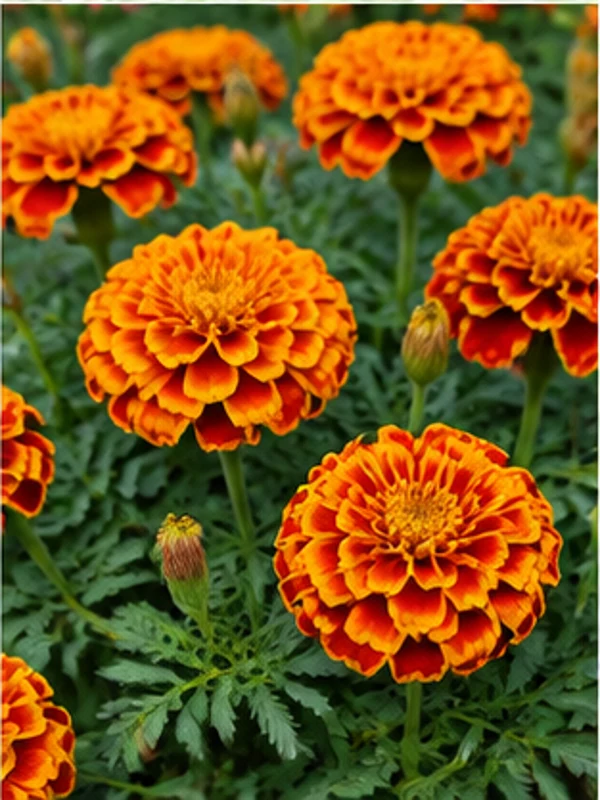 French marigoldAnnual flowers
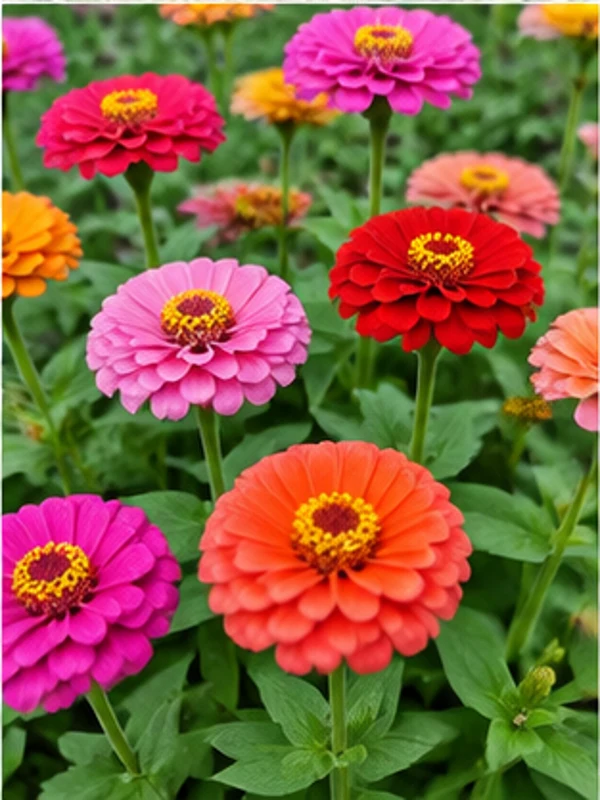 ZinniaAnnual flowers
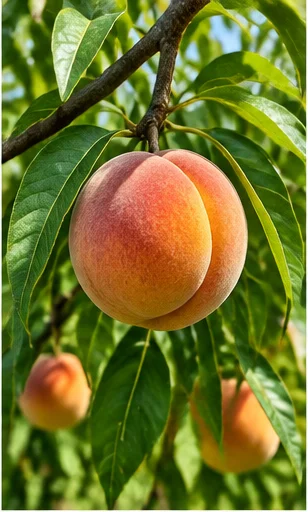 PeachStone fruit
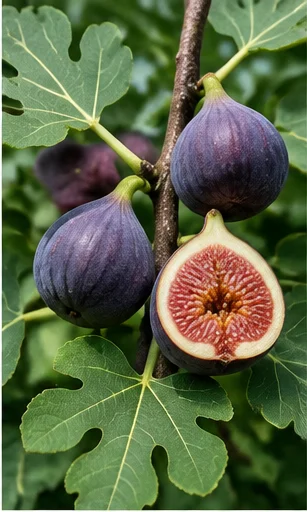 Common figTemperate fruit
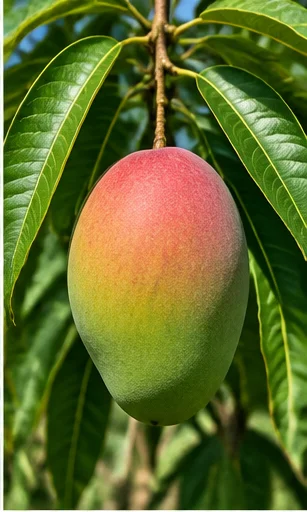 MangoTropical fruit
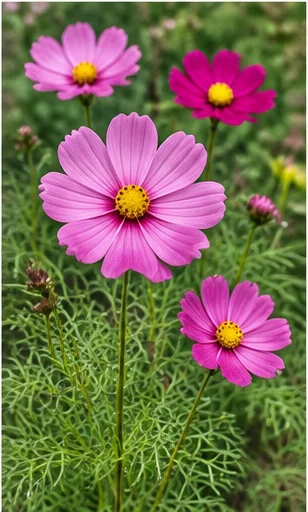 CosmosAnnual cut flower
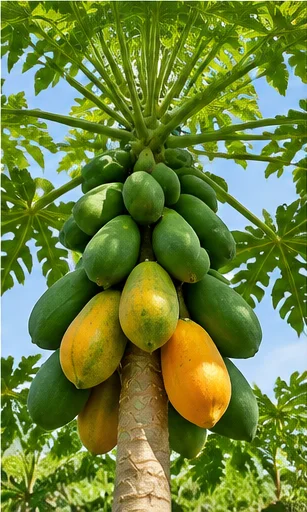 PapayaTropical edible plant
Vegetables and herbs that suit India
| Plant | J | F | M | A | M | J | J | A | S | O | N | D |
|---|---|---|---|---|---|---|---|---|---|---|---|---|
| Okra | ||||||||||||
| Eggplant | ||||||||||||
| Bell Pepper | ||||||||||||
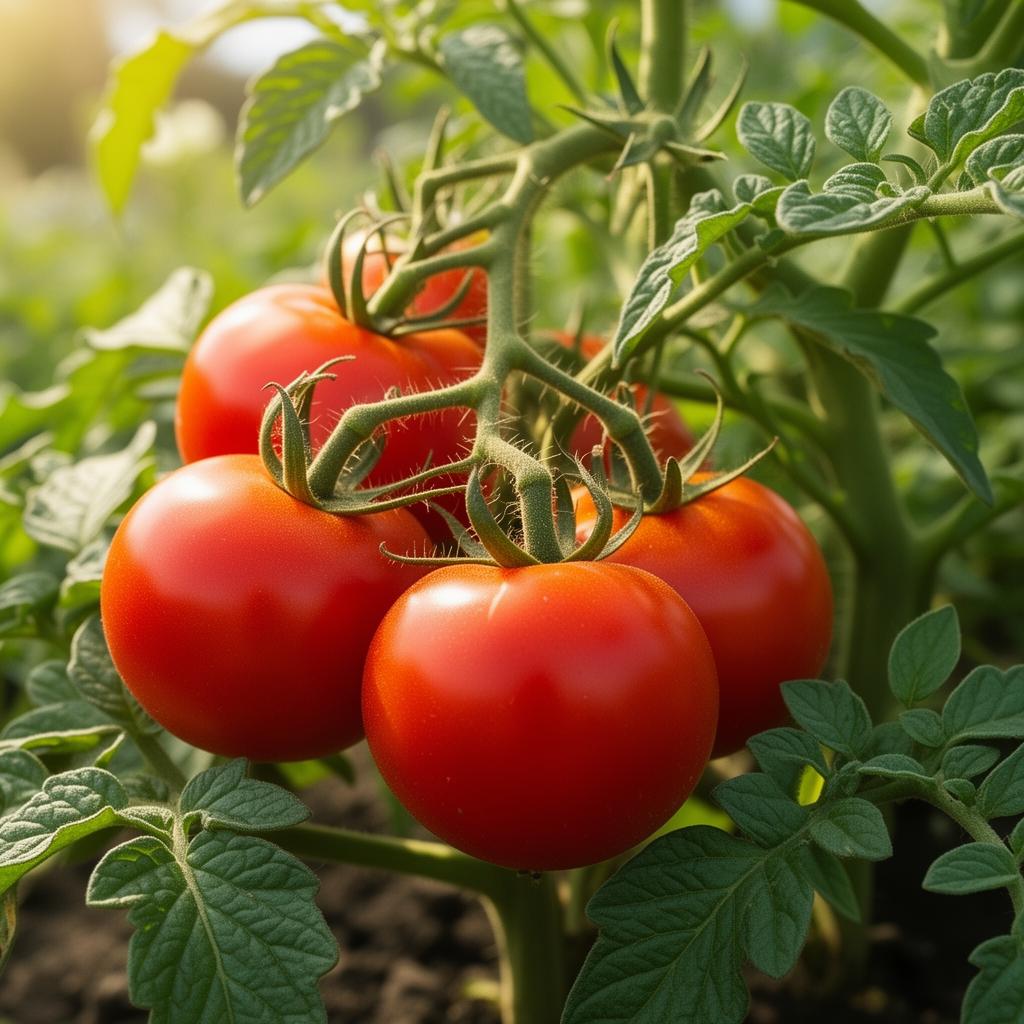
| Tomato | ||||||||||||
| Cucumber | ||||||||||||
| Pumpkin | ||||||||||||
| Green Bean | ||||||||||||
| Cauliflower | ||||||||||||
| Cabbage | ||||||||||||
| Peas | ||||||||||||
| Carrot | ||||||||||||
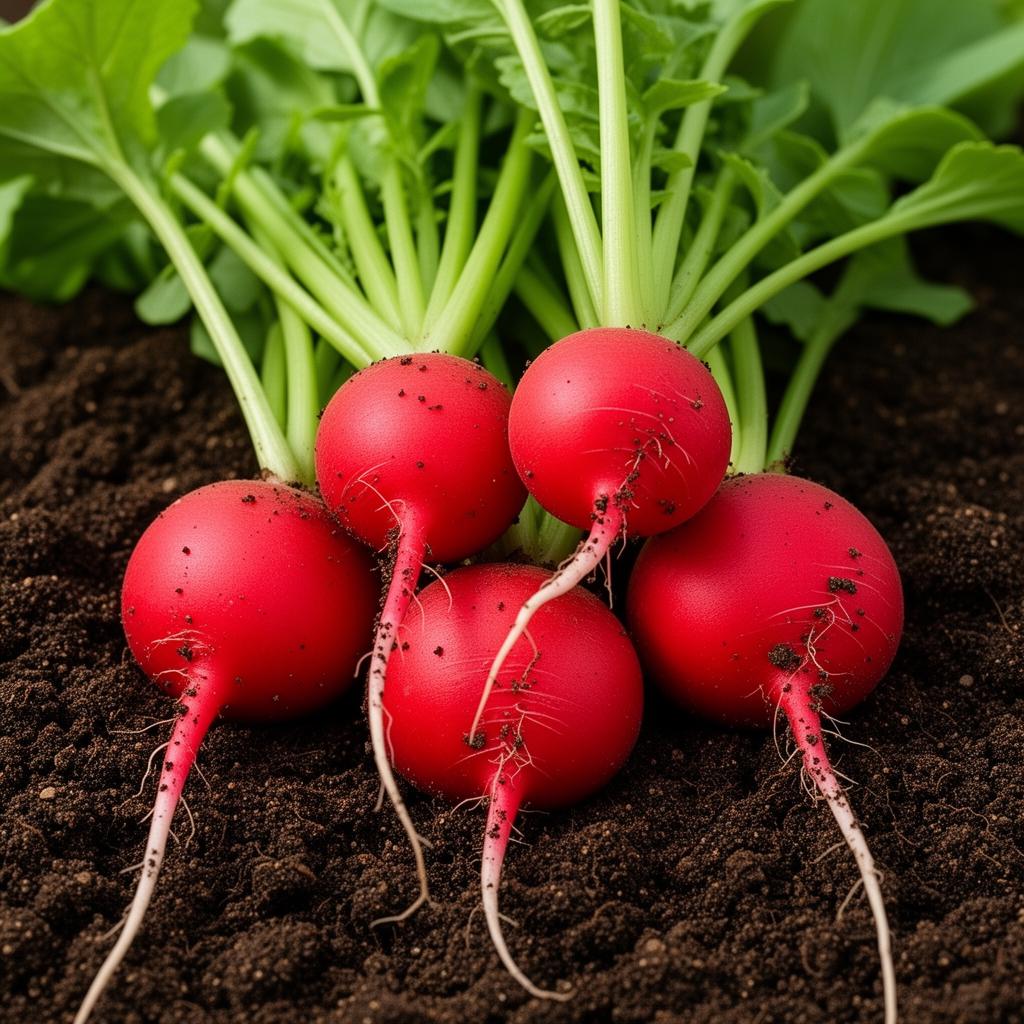
| Radish | ||||||||||||
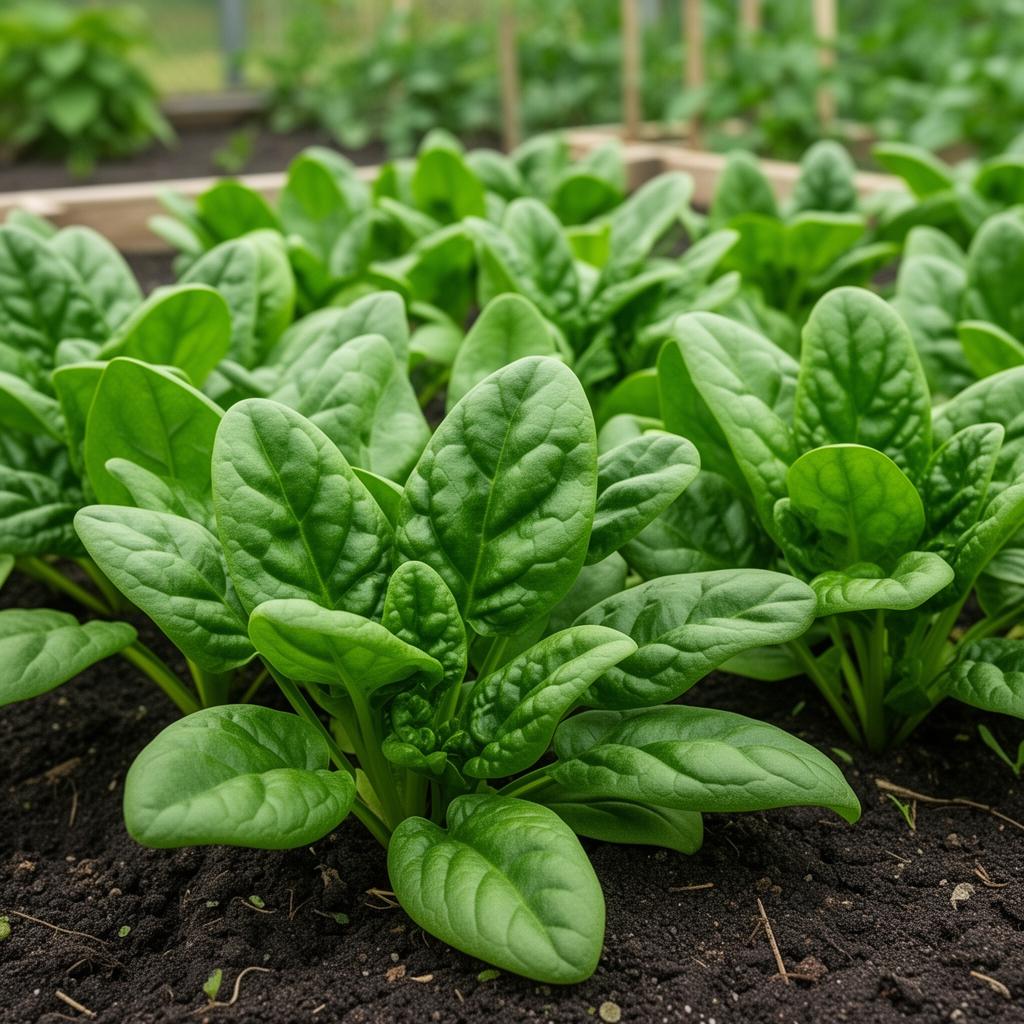
| Spinach | ||||||||||||
| Onion | ||||||||||||
| Garlic | ||||||||||||
| Sweet Potato | ||||||||||||
| Cilantro | ||||||||||||
| Mint | ||||||||||||
| Basil |
Shaded months are estimated sowing windows for North Indian plains.
Soil and compost
Watering and irrigation
Pests and diseases
Local tips
- Nursery-raise tomato, eggplant and chilli seedlings before transplanting.
- In the south, the cooler months from Nov–Feb are best for brassicas.
- Use terrace and container gardens for city homes.